


Federal Judge Blocks Criminal Investigation Into Federal Reserve Chairman Jerome Powell
A Legal Battle Over Central Bank Independence
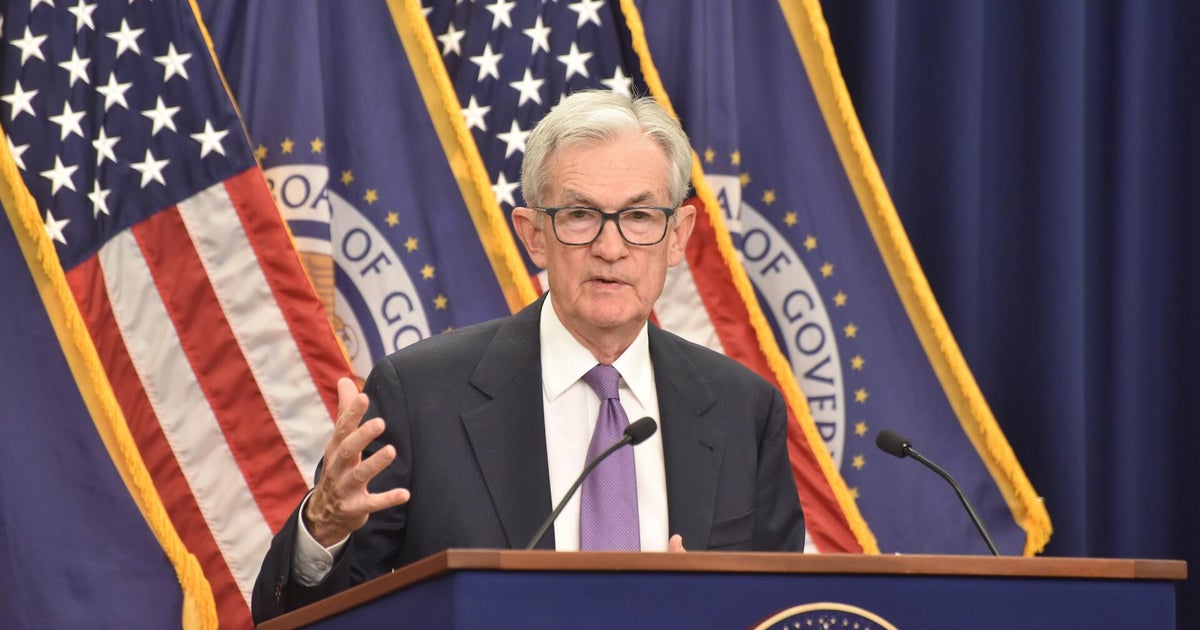
In a striking rebuke to the Trump administration’s Justice Department, Chief Judge James Boasberg of the U.S. District Court for the District of Columbia has thrown out grand jury subpoenas targeting Federal Reserve Chairman Jerome Powell. The March 11 ruling, which was unsealed on Friday, marks a significant moment in the ongoing tension between political pressure and the independence of America’s central banking system. Judge Boasberg didn’t mince words in his assessment, stating there was “abundant evidence” that the subpoenas were designed primarily to harass Powell and pressure him to either lower interest rates according to President Trump’s wishes or simply resign from his position. The investigation, led by U.S. Attorney Jeanine Pirro, ostensibly focused on Powell’s testimony about renovation projects at Federal Reserve buildings, but the judge saw through what he called “mere pretexts” to the real motivation behind the probe. This legal confrontation highlights a fundamental question about American democracy: Can the executive branch use criminal investigations as a tool to influence independent government institutions that don’t bend to presidential demands?
The Judge’s Scathing Assessment of Political Motivation
Judge Boasberg’s ruling pulled no punches in identifying what he believed was the true purpose behind the criminal investigation. The judge extensively quoted President Trump’s own social media posts attacking Powell, including one particularly colorful message that called him “Jerome ‘Too Late’ Powell” and described him as “TOO LATE, and actually, TOO ANGRY, TOO STUPID, & TOO POLITICAL, to have the job of Fed Chair.” According to Boasberg, this was just one example among at least 100 statements from the President or his deputies attacking the Federal Reserve Chairman and demanding lower interest rates. The judge noted a clear pattern: when public pressure failed to move Powell toward the President’s preferred monetary policy, Trump escalated to calling for his removal entirely. Then, seemingly as a next step in this escalating campaign, the U.S. Attorney’s Office in Washington opened a criminal investigation. Boasberg wrote that it came as “no surprise” that the investigation materialized after the political pressure campaign proved unsuccessful, strongly suggesting the timing was not coincidental but rather part of a coordinated effort to achieve through legal intimidation what couldn’t be accomplished through public criticism alone.
The Renovation Project Investigation and Its Broader Implications
The nominal subject of the investigation was a multi-year renovation project at the Federal Reserve’s headquarters that has experienced cost overruns and delays. Congressional Republicans, Trump administration officials, and the President himself have criticized the project as “ostentatious” and suggested it might violate federal construction rules, though the Fed operates independently of taxpayer funding. During testimony before the Senate Banking Committee in June 2025, Powell defended the project and disputed some public reports characterizing it as excessively lavish, leading some Republicans to accuse him of lying. U.S. Attorney Pirro claimed the investigation was legitimately exploring potential fraud and false statements related to this testimony. However, the subpoenas’ connection to Powell’s interest rate decisions couldn’t be ignored. The Federal Reserve revealed in court papers that the subpoenas were part of a broader effort to “dictate” monetary policy decisions, with lawyers arguing the goal was to “harass, pressure, and punish” both Powell and the institution until they set interest rates according to presidential preferences. The fundamental issue at stake goes far beyond building renovations—it concerns whether an independent central bank can maintain its autonomy when its decisions displease the sitting president, and whether criminal investigations can be weaponized to achieve political compliance.
Pirro’s Defiant Response and Promise to Appeal
U.S. Attorney Jeanine Pirro responded to Judge Boasberg’s decision with fierce criticism during a Washington press conference, calling him an “activist judge” and arguing his ruling was “untethered to the law.” She claimed the decision essentially “neutered the grand jury’s ability to investigate crime” and gave Powell inappropriate immunity from legitimate criminal investigation. Pirro portrayed the ruling as judicial overreach, suggesting that Boasberg had positioned himself as a gatekeeper preventing the grand jury from doing its constitutionally mandated work. She announced the Justice Department would appeal the decision, framing it as a matter of principle about whether judges can simply dismiss subpoenas because they believe the investigation target is “beyond reproach.” Pirro also pushed back against the characterization that her office had been unresponsive to the Fed’s concerns, claiming prosecutors made multiple attempts to contact the Federal Reserve but were “ignored.” She criticized Powell for what she called a “woe-is-me video” and accused him of calling influential friends in Washington and around the world to “gin up support for himself” when he publicly revealed the existence of the subpoenas. Notably, when asked about Senator Thom Tillis’s warning that the investigation would delay confirmation of Trump’s Fed chairman nominee Kevin Warsh, Pirro insisted that politics played no role in her approach, stating she had “a charge and an oath to the Constitution” and her job was simply to present evidence—though critics would argue the entire investigation was inherently political from its inception.
Republican Senators Push Back Against the Investigation
The political fallout from the investigation hasn’t followed simple partisan lines, with some prominent Republican senators expressing serious concerns about the probe’s legitimacy and its potential impact on Federal Reserve independence. Senator Thom Tillis of North Carolina, a Republican member of the Banking Committee, said Judge Boasberg’s decision “confirms just how weak and frivolous the criminal investigation of Chairman Powell is and it is nothing more than a failed attack on Fed independence.” Tillis warned that if the Justice Department proceeds with an appeal, it would further delay the confirmation of Kevin Warsh as Powell’s successor, and he has consistently stated he won’t support any Trump Fed nominees until the investigation into Powell is closed. This creates a complicated political situation for the administration, as Trump cannot simply replace Powell with someone more amenable to his interest rate preferences without Senate cooperation. Senator Tim Scott of South Carolina, who chairs the Banking Committee, also weighed in, telling Fox Business that while he believed Powell “made a gross error in judgment” during his testimony and wasn’t adequately prepared for the hearing, he didn’t think the chairman had committed a crime—a significant distinction that acknowledges possible mistakes while rejecting the criminal investigation’s premise. These Republican senators’ willingness to stand up for institutional independence, even when it means opposing their party’s president, represents an important check on executive power.
The Broader Battle for Federal Reserve Independence
This legal confrontation represents just one front in a wider battle over the Federal Reserve’s independence and the president’s ability to influence monetary policy. The Federal Reserve was designed as an independent institution precisely to insulate critical economic decisions from short-term political pressures, with the understanding that politicians facing election cycles might prioritize immediate economic growth over long-term stability, potentially fueling inflation. Trump has made no secret of his frustration with Powell’s cautious approach to interest rate cuts, repeatedly posting messages like “Where is the Federal Reserve Chairman, Jerome ‘Too Late’ Powell, today? He should be dropping Interest Rates, IMMEDIATELY, not waiting for the next meeting!” Lower interest rates could accelerate economic growth and reduce borrowing costs, creating positive headlines that any president would welcome, but the Fed has maintained a measured approach due to concerns about triggering renewed inflation. Even if Warsh is eventually confirmed as Fed chairman, Trump’s control over monetary policy wouldn’t be absolute—the Federal Reserve’s interest rate targets are set by a 12-member committee that includes the chair, six other board members (only two of whom are currently Trump appointees), and five regional Fed bank presidents whom the president has no authority to appoint. Furthermore, Powell could choose to remain on the board as a regular member until his term expires in 2028, preventing Trump from filling that seat with his own choice. The administration has also moved against another Fed board member, Lisa Cook, with a top official accusing her of misrepresentations on mortgage documents, though Cook denies wrongdoing and hasn’t been charged. The Supreme Court is currently considering whether the president can fire Cook, with indications suggesting she’ll likely keep her position while litigation proceeds. These various pressure points—the investigation into Powell, the attempt to remove Cook, the push for Warsh’s confirmation—collectively represent a comprehensive effort to reshape the Federal Reserve’s leadership and potentially its approach to monetary policy, raising fundamental questions about the durability of institutional independence when facing determined political opposition from the executive branch.