


Pentagon Severs Ties with Harvard: A Major Shift in Military-Academic Relations
The Breaking Point in a Long-Standing Partnership
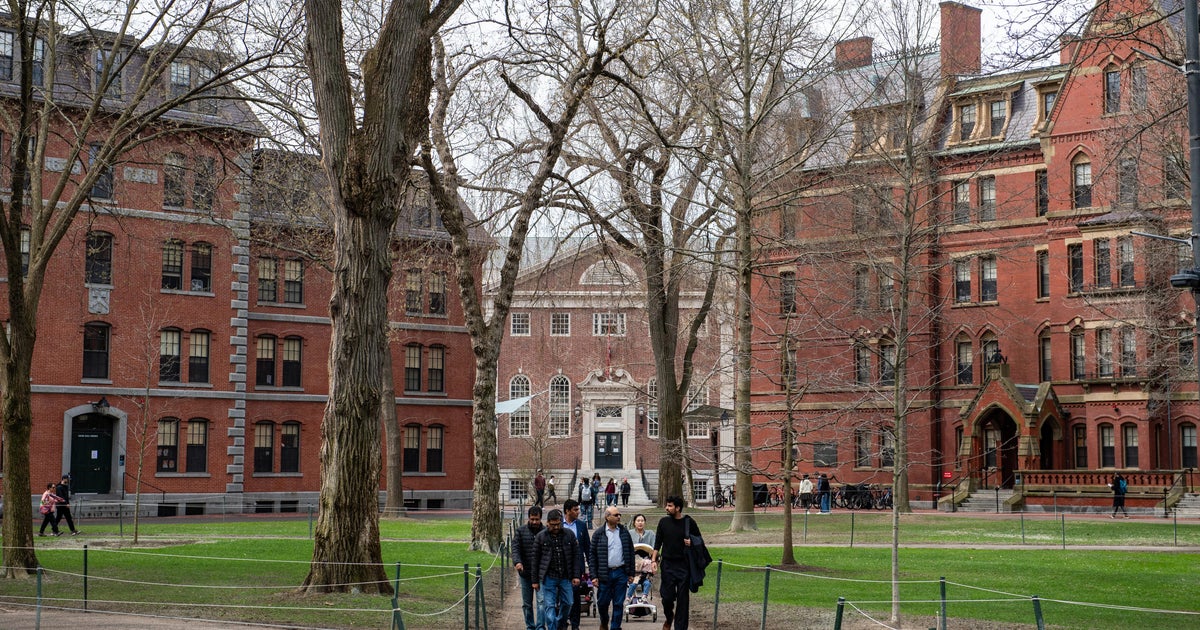
The Pentagon announced a significant decision on Friday that will fundamentally alter its relationship with one of America’s most prestigious universities. The Department of Defense is cutting all institutional ties with Harvard University, ending decades of collaboration that included military training programs, fellowships, and professional certificate courses. This dramatic move represents the culmination of months of escalating tensions between the Trump administration and the Ivy League institution. Defense Secretary Pete Hegseth didn’t mince words when explaining the decision, stating that Harvard “no longer meets the needs of the War Department or the military services.” The severance will become effective starting with the 2026-27 academic year, though service members currently enrolled will be permitted to complete their ongoing coursework. This decision marks an unprecedented rupture in a relationship that has connected Harvard and the American military since the Revolutionary War, when the university first began its long tradition of supporting military education and training.
Ideological Concerns Drive the Decision
Secretary Hegseth’s statement revealed deep concerns about what he perceives as Harvard’s negative influence on military officers. He expressed frustration that the Pentagon has been sending its “best and brightest officers” to Harvard with the hope that the university would develop a better understanding and appreciation for America’s warrior class. Instead, according to Hegseth, too many officers have been returning from their Harvard experience fundamentally changed in ways that don’t benefit military readiness. “Too many of our officers came back looking too much like Harvard — heads full of globalist and radical ideologies that do not improve our fighting ranks,” he stated. In a characteristically blunt social media post, Hegseth summarized the administration’s position with stark simplicity: “Harvard is woke; The War Department is not.” The Defense Secretary also indicated that this wasn’t an isolated action against a single institution. He announced that similar programs at other Ivy League universities would undergo evaluation in the coming weeks, citing what he described as “pervasive institutional bias” across these elite educational institutions. This suggests that Harvard may be just the first domino to fall in a broader restructuring of how the military approaches partnerships with civilian academic institutions.
Understanding Military Education Programs and Their Value
The programs being discontinued represent a significant component of professional development for military officers. Harvard has hosted numerous initiatives designed for veterans and active-duty service members, with the Harvard Kennedy School fellowship being among the most prominent. These opportunities for graduate-level education have traditionally been viewed as valuable experiences that broaden officers’ perspectives and enhance their analytical and leadership capabilities. The military has long maintained a dual approach to officer education, offering opportunities both at war colleges operated by the military itself and at prestigious civilian institutions like Harvard. While attendance at military-run war colleges provides more direct, immediate benefits to an officer’s career progression within the armed forces, civilian graduate programs serve a different but still important purpose. They expose military leaders to diverse perspectives, academic rigor, and networks that extend beyond the military sphere. Perhaps most importantly, these credentials from elite civilian institutions make service members significantly more attractive to potential employers once they transition out of military service, helping to ensure successful second careers. The value proposition of these programs has now been called into question by the current administration, which apparently believes the ideological exposure outweighs any practical benefits.
The Broader Context: Harvard in the Trump Administration’s Crosshairs
This Pentagon decision doesn’t exist in isolation but rather represents the latest chapter in an ongoing confrontation between the Trump administration and Harvard University. The prestigious institution has become the president’s primary target in what the administration characterizes as a campaign to hold America’s elite universities accountable. The conflict has already resulted in dramatic actions: the administration has cut billions of dollars in Harvard’s federal research funding and has attempted to block the university from enrolling foreign students. These punitive measures came after Harvard refused to comply with a series of government demands issued last April. The White House has framed its actions as a response to what it describes as Harvard’s tolerance of anti-Jewish bias on campus, pointing to incidents and controversies related to antisemitism and the treatment of Jewish students and faculty. Harvard’s leadership, however, tells a very different story. University officials argue that they’re facing illegal retaliation not for failing to address legitimate concerns, but for refusing to adopt the administration’s ideological positions and for declining to accept unprecedented federal oversight of the school’s academic programs. The university has mounted a legal defense, filing two separate lawsuits against the administration. So far, federal judges have sided with Harvard in both cases, though the administration is pursuing appeals.
The Failed Negotiations and Escalating Demands
For a period during the summer, there appeared to be hope for a resolution. President Trump publicly suggested that a deal was imminent, claiming an agreement was “just days away.” That optimism proved premature, as no deal ever materialized. Instead, the situation deteriorated further, with the president significantly escalating his demands. On Monday, just days before the Pentagon’s announcement, Trump demanded that Harvard pay $1 billion as part of any agreement to restore federal funding. This represented a doubling of his previous demand, signaling that rather than moderating his position, the president was digging in deeper. The situation becomes even more complex when viewed alongside the experiences of other elite universities facing similar pressure. Several institutions have opted to negotiate settlements with the Trump administration to restore their federal research funding. Columbia University agreed to pay the federal government $200 million, while Brown University committed to donating $50 million to workforce development programs. These agreements have created a precedent that may be influencing the administration’s hardline stance with Harvard, though the amounts being demanded from Harvard far exceed what other institutions have agreed to pay.
A Personal Dimension and Uncertain Future
Adding an interesting personal dimension to this story is Defense Secretary Hegseth’s own history with Harvard. He himself earned a master’s degree from the institution, but in a 2022 Fox News segment during his time as a commentator, he symbolically returned his diploma. The dramatic gesture, which involved writing “Return to Sender” on the diploma with a marker, was recently resurfaced by a Pentagon social media account run by Hegseth’s office. This personal rejection of his own Harvard credentials suggests deep-seated feelings that extend beyond policy disagreements to fundamental questions about the value and impact of elite education on American society and its institutions. As this situation continues to unfold, many questions remain unanswered. How will military officers react to the elimination of opportunities to attend Harvard and potentially other Ivy League schools? Will other universities face similar cuts, as Hegseth suggested? Can Harvard and the administration ever find common ground, or has the relationship been irreparably damaged? What will be the long-term impact on both military professional development and on Harvard’s role in American public life? The answers to these questions will shape not only the future of military education but also the broader relationship between government and academia in an increasingly polarized America. What is clear is that a historic partnership spanning centuries has reached a breaking point, and the reverberations of this decision will be felt far beyond the halls of Harvard or the Pentagon for years to come.