
Senator Ted Cruz Discusses U.S. Military Action Against Iran and Austin Shooting
Opening Remarks and Austin Tragedy
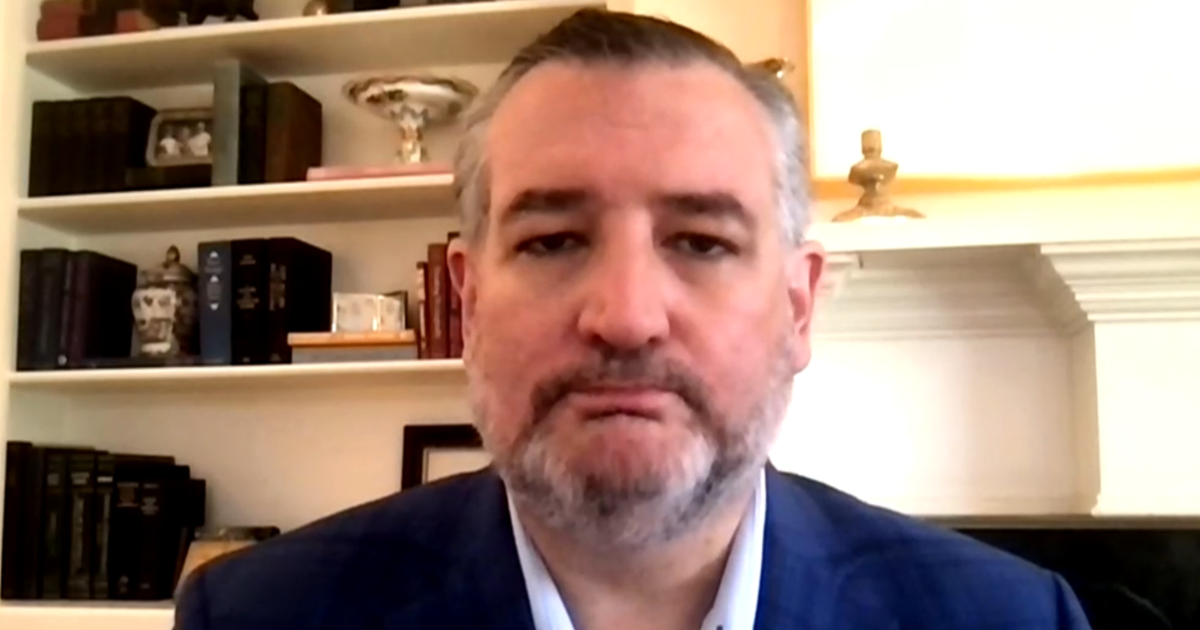
Senator Ted Cruz of Texas appeared on “Face the Nation” with Margaret Brennan on March 1, 2026, joining from Houston to discuss several pressing national security matters. The interview began with somber news from Austin, where a mass shooting had claimed three lives and injured more than a dozen people. The FBI’s Joint Terrorism Task Force had joined the investigation, raising questions about possible terrorist connections. Senator Cruz expressed uncertainty about the shooter’s motivations, stating that authorities needed to follow the evidence before drawing conclusions. He and his wife Heidi were praying for the victims and their families during this difficult time. The shooting occurred against a backdrop of heightened global tensions, adding to concerns about potential terrorist activities on American soil.
Defending President Trump’s Decision to Strike Iran
When questioned about why Americans were now involved in a new conflict despite campaign promises to avoid such engagements, Senator Cruz offered a robust defense of President Trump’s military action against Iran. He characterized the decision as “the single most important decision of his presidency,” emphasizing that Iran had been the world’s leading state sponsor of terrorism for 47 years. The senator detailed Iran’s malign influence, noting that the regime had killed nearly 1,000 Americans over the decades and provided over 90% of funding to both Hamas and Hezbollah. Cruz revealed that he had spent an entire day with President Trump the Friday before the attacks were launched, during which they discussed the situation at length. His advice to the president was clear: Iran’s regime had never been weaker and was teetering on the edge of collapse. “Do not miss this opportunity,” he had counseled, believing that removing the theocratic dictatorship would make America significantly safer.
The Failed Diplomacy Debate
Margaret Brennan pressed Senator Cruz on why active diplomacy was abandoned, particularly since Vice President Vance had been simultaneously working with an Omani mediator who claimed they were close to reaching a deal. Cruz’s response was unequivocal: the diplomatic efforts had been an “abject failure.” He characterized Iran’s approach to negotiations as arrogant and full of hubris, with the regime refusing to halt uranium enrichment activities regardless of any potential agreement. According to Cruz, the Iranians wouldn’t discuss “zero enrichment” and claimed an inherent right to enrich uranium in underground bunkers without supervision. They also refused to address their proxy forces, including Hamas, Hezbollah, and the Houthis. The senator explained that President Trump understood the Iranian “negotiation” was merely a stalling tactic. Cruz said his advice was that the only acceptable deal would mirror what had been offered to Venezuela’s Maduro: the option to leave and flee the country. Secretary of State Marco Rubio had apparently confirmed this assessment to Cruz the previous day.
Nuclear Stockpile Concerns and Military Operations
One of the most concerning aspects of the conversation centered on Iran’s nuclear capabilities and materials. When asked about securing Iran’s nuclear stockpiles, Cruz confirmed that Iran had maintained an active nuclear weapons program a year earlier, though much of it had been destroyed during what he called the “12-Day War.” He described devastating attacks on underground facilities like Fordow, which was built into a mountain base, using bunker-buster bombs that only the United States possessed. These strikes had dropped “the equivalent of about a third of a nuclear weapon” on these facilities. However, Cruz acknowledged that the Iranians had been determined to rebuild their capabilities and were producing approximately 100 missiles per month before the current conflict. When pressed about who would secure remaining nuclear material, the senator clarified that while Iran had been building nuclear weapons previously, the earlier bombing campaign had been devastating enough that he had no indication they were close to reconstituting their nuclear arsenal.
The Cost of Military Action
The interview revealed that three Americans had been killed and five seriously wounded in recent operations, according to CENTCOM announcements. This human cost underscored the serious nature of the military engagement. Iran was actively firing missiles at neighboring countries and American allies, demonstrating what Cruz called their “malign” nature to the world. The senator argued that dictatorships survive because they’re perceived as invulnerable, and Iran’s decisive loss in the 12-Day War had weakened the regime sufficiently to create this opportunity for regime change. He maintained that the current military action was not just about stopping nuclear development but about eliminating a fundamental threat to regional and global security that had persisted for nearly half a century.
Strategic Justification and Future Implications
Throughout the interview, Senator Cruz maintained that the timing of the military action was crucial. He emphasized that the Iranian regime had been actively trying to assassinate President Trump himself until the day before the attacks were launched. The senator’s strategic reasoning was that successful dictatorships rely on appearing invincible to their people and adversaries. The previous year’s 12-Day War had shattered that perception for Iran’s leadership, creating a unique window of opportunity. Cruz believed that failing to act decisively at this moment would have allowed Iran to rebuild its capabilities and continue its role as the world’s foremost state sponsor of terrorism. While acknowledging the tragic loss of American lives, he framed the action as a necessary step to prevent far greater future casualties and to fundamentally alter the security landscape of the Middle East by removing what he characterized as a theocratic, murderous dictatorship that had threatened American interests and allies for decades.