
Major Press Conference Amid U.S.-Iranian Military Conflict
Pentagon Leaders Address Nation as Operation Continues
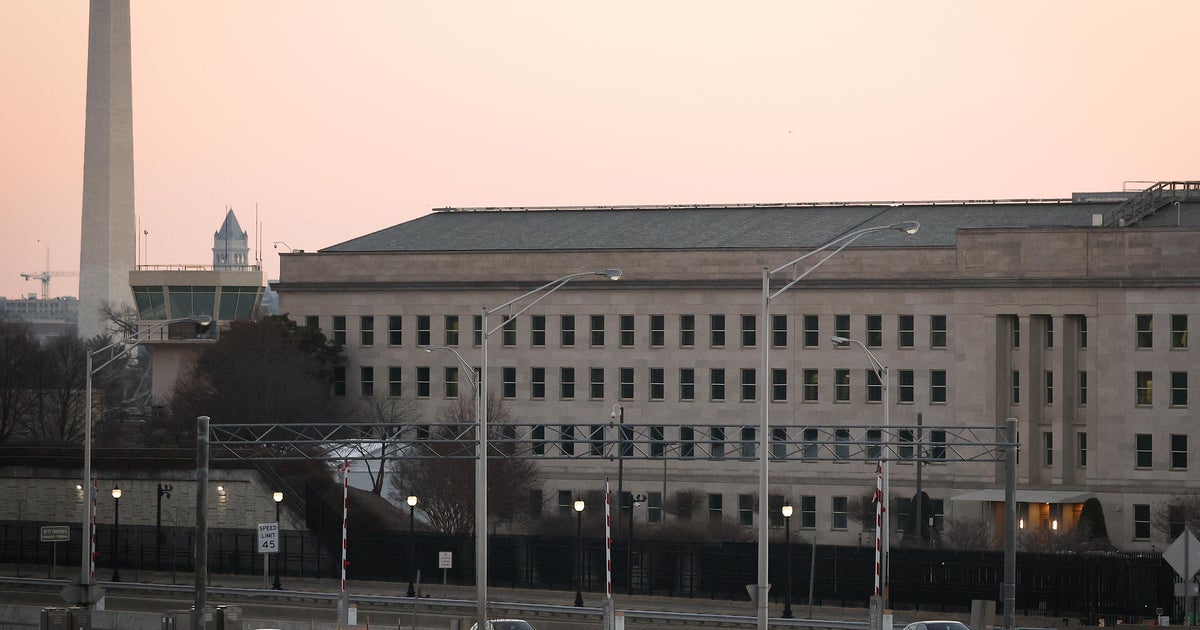
Defense Secretary Pete Hegseth and General Dan Caine, Chairman of the Joint Chiefs of Staff, held a critical press conference on Monday morning from the Pentagon as tensions with Iran escalated into a third consecutive day of military operations. The briefing, which was broadcast live on CBS television networks and streaming platforms at 8:00 a.m. Eastern Time, came at a crucial moment when Americans are seeking answers about the unfolding conflict known as Operation Epic Fury. This rare joint appearance by the nation’s top military leaders underscored the gravity of the situation and the administration’s need to communicate directly with the American people about the ongoing military campaign. The press conference was designed to provide updates on the operation’s progress, address mounting casualties, and outline the path forward as the United States and Israel continue their coordinated strikes against Iranian targets.
Rising American Casualties and Friendly Fire Tragedy
The human cost of Operation Epic Fury became painfully clear as the Pentagon confirmed that a fourth American service member had lost their life during the mission. This latest fatality came on the heels of three other U.S. military deaths reported over the weekend in Kuwait, bringing the total American casualties to four within just days of the operation’s launch. In a particularly troubling development, Kuwait announced on Monday that it had mistakenly shot down three American F-15 fighter jets in what U.S. Central Command (CENTCOM) described as a “friendly fire incident.” Fortunately, all crew members from those aircraft survived the incident, offering a small measure of relief amid otherwise grim news. These incidents highlight the complex and dangerous nature of military operations in the region, where multiple forces are operating in close proximity and the fog of war can lead to tragic miscommunications. The friendly fire event also raises questions about coordination between allied forces and the challenges of maintaining clear communication channels during intense military operations.
Attack on U.S. Embassy and Regional Instability
The conflict took an even more alarming turn when smoke was observed rising from the U.S. Embassy in Kuwait following what officials described as an apparent Iranian missile strike. This direct attack on American diplomatic facilities represents a significant escalation in Iran’s response to the U.S.-Israeli operation and raises serious concerns about the safety of American personnel throughout the Middle East. The strike on the embassy demonstrates Iran’s capability and willingness to target U.S. assets beyond the immediate theater of operations, potentially widening the scope of the conflict. Such attacks on diplomatic facilities are considered particularly serious violations of international norms, as embassies are supposed to enjoy protected status even during times of conflict. The incident in Kuwait also illustrates how the confrontation between the United States and Iran is affecting neighboring countries and potentially drawing them into a broader regional conflict that could destabilize an already volatile part of the world.
Devastating Human Toll Across the Region
The human cost of this military operation extends far beyond American casualties, with civilian populations bearing a tremendous burden. Israeli authorities have reported at least eleven fatalities within their borders as a result of Iranian retaliatory strikes, adding to the growing list of victims in this rapidly expanding conflict. However, the most staggering casualty figures come from Iran itself, where the Iranian Red Crescent—the country’s equivalent of the Red Cross—has reported that 555 people have been killed as a result of the U.S.-Israeli strikes. This number likely includes both military personnel and civilians, though exact breakdowns have not been provided. The scale of casualties in Iran raises important questions about the nature of the targets being struck and the precautions being taken to minimize civilian deaths. These numbers also fuel international concern about the proportionality of the military response and the humanitarian crisis that may be unfolding within Iran. As the operation continues, these casualty figures are likely to rise, creating additional pressure on the administration to justify the mission and explain how it plans to achieve its objectives while minimizing further loss of life.
Presidential Timeline and Mission Objectives
President Trump addressed the nation on Sunday, providing some insight into the administration’s thinking about the duration and goals of Operation Epic Fury. He stated that the joint military operation with Israel would continue “until all of our objectives are achieved,” suggesting that the mission has specific, defined goals that must be met before operations cease. The President offered a timeline estimate of “four weeks or less” for completing these objectives, giving Americans some sense of how long the current level of military activity might persist. However, he also issued a sobering warning that more American casualties are possible as the operation proceeds, preparing the nation for the likelihood of additional losses. The President’s comments reflect the administration’s determination to see the operation through to completion while acknowledging the very real human costs involved. The specific objectives Trump referenced have not been fully detailed publicly, though the operation has already achieved one of its most dramatic goals with the strike on Iran’s Supreme Leader. This lack of complete transparency about mission objectives has led to questions from lawmakers and the public about what exactly constitutes success in this operation and what criteria will determine when it ends.
Historic Strike on Iranian Leadership
The most significant and consequential action of Operation Epic Fury has been the strike on Iranian Supreme Leader Ayatollah Ali Khamenei’s compound in Tehran, which resulted in his death. This represents one of the most dramatic military actions taken by the United States in recent history, as Khamenei had been Iran’s most powerful figure for decades, serving as the ultimate religious and political authority in the country. The killing of such a high-ranking leader marks a fundamental shift in U.S.-Iranian relations and Middle Eastern geopolitics more broadly. The decision to target Khamenei suggests that the operation’s objectives go beyond tactical military goals and aim to fundamentally reshape Iran’s leadership and perhaps its government structure. The long-term consequences of this action are difficult to predict, as Iran will need to navigate a leadership transition during wartime while simultaneously responding to ongoing military attacks. The strike also raises questions about succession in Iran and whether a new leader might be more or less amenable to negotiations with the West. For Israel, which partnered with the United States in this operation, the elimination of Khamenei represents the removal of a leader who had consistently called for the destruction of the Jewish state. As this unprecedented situation continues to develop, the international community watches closely to see how Iran will respond to the loss of its Supreme Leader and whether the region can avoid descending into a broader, more catastrophic conflict that could draw in additional nations and potentially threaten global stability.