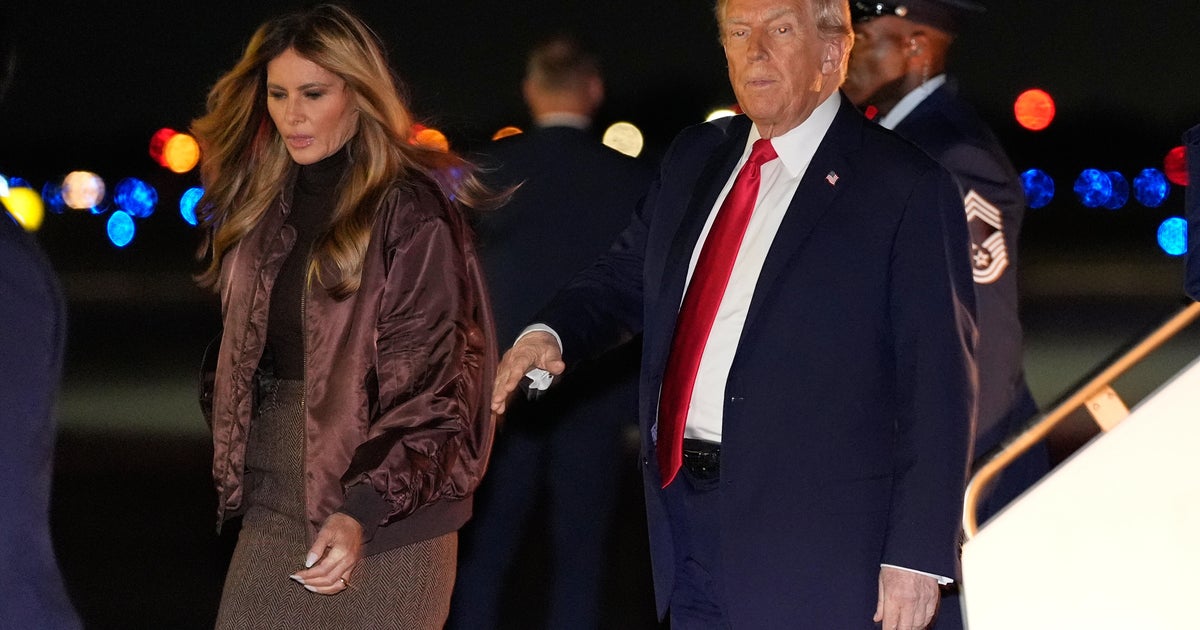

Melania Trump to Lead Historic UN Security Council Meeting Amid US-Iran Military Crisis
First Lady’s Groundbreaking Role Continues Despite Escalating Middle East Tensions
In an unprecedented move that highlights the intersection of diplomacy and crisis management, First Lady Melania Trump is set to make history by becoming the first presidential spouse to chair a United Nations Security Council meeting. The event, scheduled for Monday afternoon at 3 p.m. Eastern Time at the UN headquarters in New York City, will focus on a topic that has taken on heightened significance given recent global events: the critical role of education in promoting tolerance and fostering world peace. Despite the timing coinciding with one of the most volatile moments in US-Middle East relations in recent years, White House officials confirmed that Mrs. Trump will proceed with presiding over this important international forum as planned.
The announcement takes on particular gravity as it comes against the backdrop of intensifying military operations in Iran. Over the weekend, the United States and Israel launched a coordinated military mission targeting sites within Iranian territory, fundamentally altering the security landscape in the region. The operation resulted in the death of Iranian Supreme Leader Ayatollah Ali Khamenei, one of the most powerful and influential figures in the Middle East, whose leadership has shaped Iranian policy for decades. This development represents a seismic shift in the balance of power in the region and has sent shockwaves through the international community. The decision for the first lady to continue with her UN appearance despite these dramatic military developments signals the administration’s commitment to maintaining diplomatic channels and pursuing peace-building initiatives even during times of acute crisis.
The Human Cost of Escalating Conflict
The military exchanges between the United States and Iran have already exacted a devastating human toll that extends beyond the death of the Iranian supreme leader. According to Pentagon officials, four American service members lost their lives in a retaliatory Iranian strike in Kuwait, bringing the reality of armed conflict painfully close to home for military families across the United States. These deaths serve as a sobering reminder that international tensions carry real consequences for the brave men and women serving in uniform far from their homes and loved ones. Each of these service members leaves behind families, friends, and communities mourning their loss, and their sacrifice underscores the high stakes involved in the current Middle Eastern crisis. As the first lady prepares to discuss education and tolerance on the world stage, these casualties remind us all of the urgent need for the very peace and understanding her UN session aims to promote.
A Historic First for America’s First Ladies
Melania Trump’s chairmanship of a UN Security Council meeting represents a significant departure from the traditional roles occupied by first ladies and marks an evolution in how presidential spouses engage with international affairs. While first ladies have long served as advocates for various causes and represented the United States on the global stage, presiding over the Security Council—one of the most powerful international bodies charged with maintaining global peace and security—elevates the position to a new level of diplomatic significance. The White House’s initial announcement of this event last week, before the military situation in Iran escalated, positioned it as an opportunity for the first lady to champion education as a cornerstone of global cooperation and mutual understanding among nations. The fact that she is proceeding with this responsibility despite the dramatically changed circumstances demonstrates both personal resolve and the administration’s belief in the importance of maintaining dialogue on fundamental issues of peace and education regardless of immediate geopolitical tensions.
Education, Tolerance, and the Path to Peace
The stated focus of Monday’s Security Council meeting—examining education’s vital role in advancing tolerance and world peace—carries profound relevance, particularly in light of current events unfolding in the Middle East. Educational initiatives that promote cross-cultural understanding, critical thinking, and mutual respect among different peoples and nations have long been recognized as essential components of long-term peace-building strategies. When young people across the globe receive education that teaches them to appreciate diversity, question extremism, and seek common ground with those from different backgrounds, it creates a foundation for more peaceful international relations in future generations. In regions plagued by conflict, educational programs that bring together students from opposing sides or that counter extremist narratives can interrupt cycles of violence and hatred that might otherwise pass from one generation to the next. As the first lady prepares to lead this discussion at the UN, the timing provides a stark illustration of why such conversations matter—the alternative to education, tolerance, and dialogue is the kind of military conflict currently unfolding between the United States and Iran.
Diplomatic Continuity in Times of Crisis
The decision to proceed with the first lady’s UN Security Council appearance, despite the ongoing military operations in Iran, reflects a broader diplomatic philosophy that maintains the importance of continuing peace-oriented initiatives even during periods of active conflict. U.S. Ambassador to the United Nations Mike Waltz is expected to attend the session alongside Mrs. Trump, providing additional diplomatic weight to the proceedings and ensuring coordination between the first lady’s educational advocacy and the administration’s broader foreign policy objectives. This approach recognizes that military operations and diplomatic peace-building efforts are not mutually exclusive but rather exist on a continuum of tools available to address international challenges. By keeping the meeting on the calendar and having the first lady preside as planned, the administration sends a message to the international community that the United States remains committed to dialogue, education, and the long-term work of building a more peaceful world, even as it responds to immediate security threats through military means.
Looking Ahead: The Balance Between Security and Peace-Building
As Monday’s historic UN Security Council meeting approaches, the world watches to see how the first lady will navigate the complex intersection of her educational advocacy and the violent military reality currently dominating headlines. The contrast between the meeting’s peaceful, forward-looking agenda and the immediate crisis in the Middle East creates both challenges and opportunities for meaningful dialogue about how nations can work toward lasting peace even in the darkest moments. The deaths of American service members in Kuwait and the killing of Iran’s supreme leader have created a volatile situation that could easily escalate further, making the need for voices advocating tolerance and education all the more urgent. Whether this Security Council session can meaningfully contribute to de-escalation or provide a framework for eventual peace remains to be seen, but the willingness to proceed with discussions about education and tolerance during such a crisis suggests a recognition that the work of building peace cannot wait for perfect conditions. As Melania Trump takes her place at the head of the Security Council table, she carries the weight of history as the first presidential spouse to chair such a meeting, along with the hopes that education and dialogue might eventually offer pathways out of the cycles of violence that continue to claim lives in the Middle East and around the world.