
Tragedy Strikes South Sudan: Mass Killings Push Nation Closer to Civil War
A Devastating Attack Claims 169 Lives
The fragile peace in South Sudan was shattered this week when insurgents launched a brutal attack on a remote village, leaving at least 169 people dead in what local officials are calling one of the deadliest incidents in recent months. The assault took place on Sunday in Abiemnom county, located in the administrative area of Ruweng, and claimed the lives of at least 90 civilians, according to James Monyluak, the region’s information minister. The tragedy has highlighted the deteriorating security situation in the world’s youngest nation, which gained independence in 2011 but has struggled to maintain stability ever since. Among those killed were women and children, alongside dozens of combatants, painting a grim picture of indiscriminate violence that has become all too common in this troubled nation. The attack has sent shockwaves through the international community and raised urgent questions about whether South Sudan is sliding back into full-scale civil war after years of efforts to maintain a fragile peace.
Humanitarian Crisis Unfolds as Thousands Seek Protection
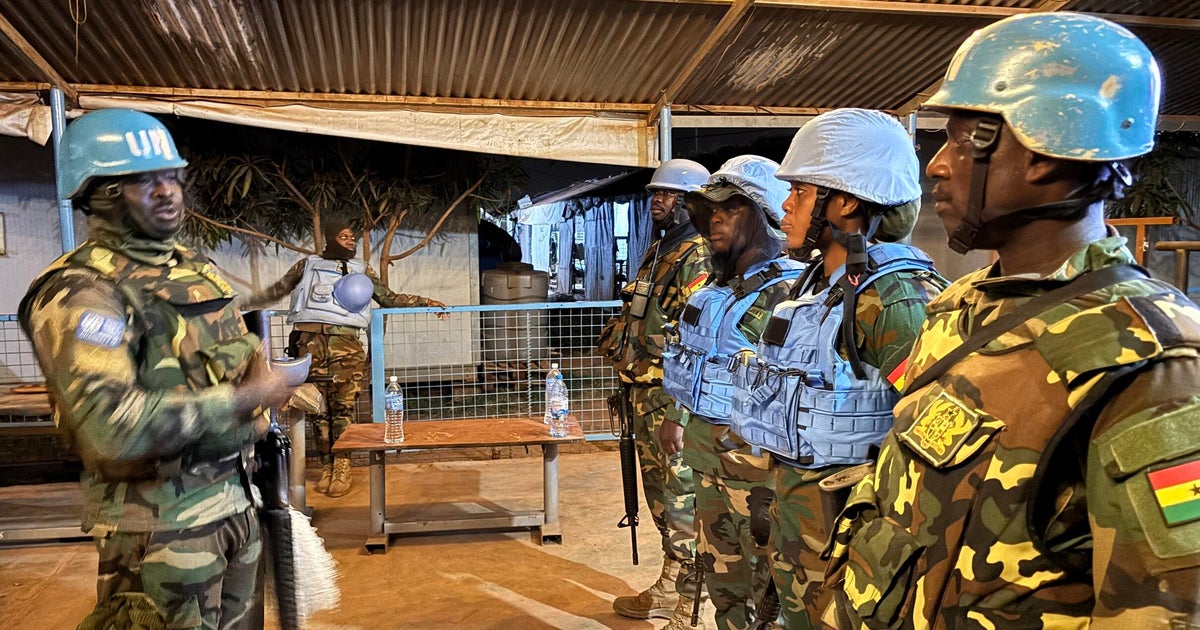
In the immediate aftermath of the violence, approximately 1,000 terrified civilians fled their homes and sought refuge at the United Nations Mission in South Sudan (UNMISS) base in the area, desperate for protection from further attacks. The U.N. peacekeeping mission confirmed that at least 23 people were wounded in the assault, though officials fear the true toll may be higher as reports continue to emerge about the extent of casualties, including local officials who lost their lives. Anita Kiki Gbeho, a senior UNMISS official, issued a strong statement condemning the violence and calling for immediate cessation of hostilities. “Such violence places civilians at grave risk and must stop immediately,” she declared, urging all parties involved to “cease hostilities without delay and engage in constructive dialogue to address their grievances.” The U.N. mission has reassured frightened civilians that peacekeepers will continue doing everything within their capabilities to protect those seeking safety at their bases. Throughout Monday night, UNMISS peacekeepers patrolled the affected area, working through the darkness to deter further crime and demonstrate their commitment to civilian protection. Lance Corporal Amenuvor Mabel of the Ghana Battalion, who led one of the night convoys, reflected on the unexpected turn his military service had taken: “When I joined the army to serve my country, I never realized that I would end up providing security for civilians in another country. It makes me feel good that we are serving people and making them feel safe.”
Political Tensions Between Kiir and Machar Fuel Violence
The deadly raid is part of a broader pattern of escalating violence that has gripped South Sudan as forces loyal to President Salva Kiir clash with armed groups believed to support opposition leader Riek Machar. According to Stephano Wieu De Mialek, the chief administrator of Ruweng Administrative Area, Sunday’s assault was carried out by elements connected to the White Army militia working alongside forces affiliated with Machar’s Sudan People’s Liberation Movement-in-Opposition. Wieu characterized the attack as a carefully coordinated and organized military operation, going so far as to label it an act of rebellion against the government. However, Machar’s group quickly issued a denial, stating categorically that they had “no military presence in the area concerned” and rejecting any responsibility for the bloodshed. The political relationship between Kiir and Machar has deteriorated dramatically in recent months. Machar served as Kiir’s deputy until September of last year, when he was abruptly removed from his position after facing criminal charges. He now remains under house arrest in Juba, South Sudan’s capital city, as his trial slowly proceeds through the justice system. Machar’s supporters maintain that the charges against him for alleged subversion are nothing more than politically motivated attacks designed to eliminate him as a political rival, and they point out that his removal from office coincided suspiciously with a sharp increase in violence across the country.
Peace Agreement on Life Support
The current violence threatens to completely unravel the fragile peace agreement that was painstakingly negotiated in 2018, following five brutal years of civil war that devastated the young nation and displaced millions of people. Under that agreement, Machar had been named South Sudan’s first vice president in a government of national unity, a position meant to bring together the warring factions and create a pathway toward lasting peace and reconciliation. However, a United Nations inquiry has delivered a damning assessment, finding that South Sudan’s political leaders are “systematically dismantling” the very peace agreement they signed. The situation escalated dramatically in December when opposition forces seized control of government outposts in Jonglei county, an opposition stronghold that has become a major flashpoint in the renewed fighting. The United Nations estimates that this recent wave of violence has already displaced approximately 280,000 people from their homes, adding to the millions who have been uprooted by years of conflict. The United States government is now urging direct talks between Kiir and Machar in hopes of preventing a complete collapse into civil war, but prospects for dialogue appear dim as both sides dig in their positions and violence continues to spread.
A Humanitarian Catastrophe in the Making
International aid organizations have sounded the alarm about the deteriorating humanitarian situation in South Sudan, with UNICEF executive director Catherine Russell telling CBS News in December that what is happening in Sudan represents the “largest humanitarian crisis” the organization is currently facing worldwide. “The challenges are absolutely staggering,” she explained in an interview, describing the scale of human suffering and the difficulties aid workers face in reaching vulnerable populations. One of the most pressing concerns is that government forces have imposed severe access restrictions to opposition-held parts of various states, effectively preventing humanitarian organizations from delivering life-saving assistance to civilians trapped in conflict zones. These restrictions are endangering countless civilian lives, as people caught in the crossfire are cut off from food, medicine, and other essential supplies. Despite having officially committed to upholding the 2018 peace agreement, the government has conducted an aggressive counteroffensive since January that includes aerial bombardments and ground assaults against opposition-held areas. This military campaign has only intensified the humanitarian crisis and driven more civilians from their homes in search of safety.
An Uncertain Future for the World’s Youngest Nation
South Sudan’s descent toward renewed civil war represents a heartbreaking setback for a nation that only gained independence in 2011 amid great hope and international support. The country has struggled throughout its brief existence to build functioning government institutions, reconcile bitter ethnic and political divisions, and provide basic security and services to its population. The current crisis raises profound questions about whether the international community’s investment in South Sudan’s peace process has been in vain, and what can be done to prevent a return to the kind of large-scale violence that characterized the 2013-2018 civil war. The presence of U.N. peacekeepers has undoubtedly saved lives and provided crucial protection to vulnerable civilians, as demonstrated by the 1,000 people who sought refuge at the UNMISS base following Sunday’s attack. However, peacekeepers cannot resolve the underlying political conflicts that continue to fuel violence, and their mandate has limits. The path forward for South Sudan remains deeply uncertain, with political leaders showing little genuine commitment to reconciliation and armed groups proliferating across the country. The international community faces difficult choices about how to respond to the crisis, balancing the need to hold leaders accountable for violence against civilians with the imperative of maintaining diplomatic channels that might eventually lead to renewed peace talks. For ordinary South Sudanese citizens, particularly those in remote rural areas like Abiemnom county where Sunday’s massacre occurred, the immediate priority is simply survival in the face of violence that could strike at any moment. As the death toll from this latest attack demonstrates, the cost of political failure in South Sudan is measured in innocent lives cut short, families torn apart, and a generation of children growing up knowing only war and displacement.