


Standing Up for Constitutional Rights: The Fight Over Deportation and Due Process
A Constitutional Crisis at the Border
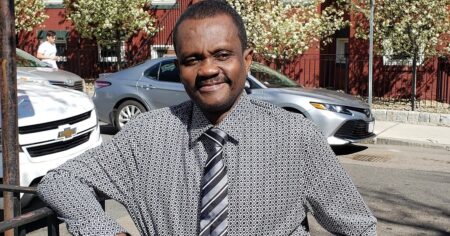
America finds itself at a crucial crossroads where fundamental constitutional principles are being tested in ways we haven’t seen in generations. The case of Kilmar Abrego Garcia, a man deported to El Salvador’s notorious CECOT prison, has ignited a fierce debate about due process, the rule of law, and what it truly means to be a nation governed by the Constitution. At its heart, this isn’t just about one individual—it’s about whether the government can strip away someone’s constitutional rights without consequence, regardless of who they are or what they’re accused of.
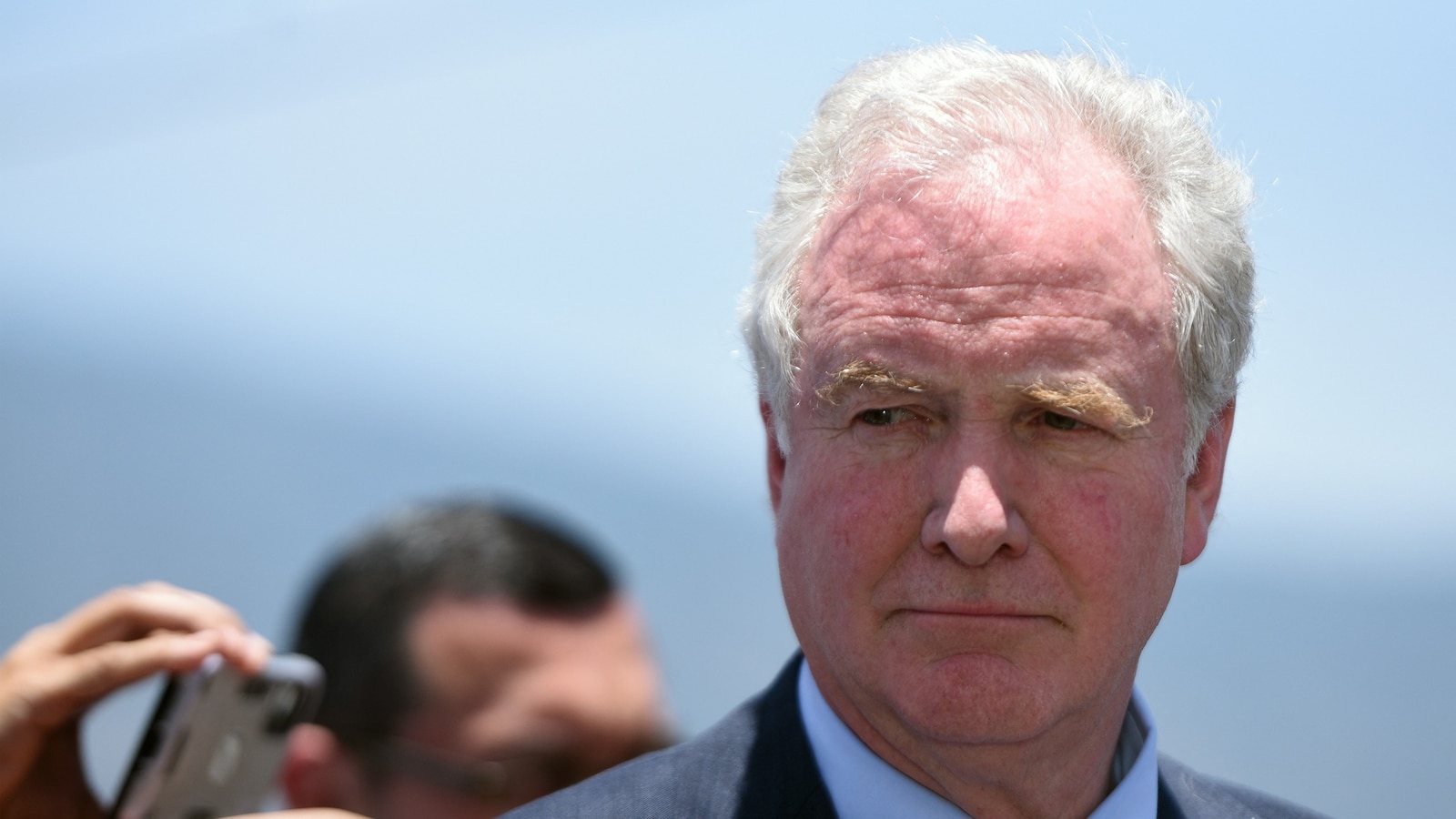
Maryland Senator Chris Van Hollen took the extraordinary step of traveling to El Salvador to meet with Abrego Garcia, a journey that initially seemed impossible when Salvadoran authorities refused him access. After being turned away from the prison and stopped miles from its gates by soldiers, Van Hollen spoke out publicly about what he called an illegal scheme between the Trump administration and El Salvador. Only then was he granted a meeting—not in the prison, but in a hotel where authorities attempted to stage the encounter to make it appear Abrego Garcia was being treated well, even ordering drinks that looked like margaritas for a photo opportunity. The senator made clear his mission wasn’t to defend any alleged crimes, but to defend something far more fundamental: the constitutional right to due process that belongs to every person on American soil.
The debate intensified when Border Czar Tom Homan defended the administration’s actions, arguing they were following the law by using the Alien Enemies Act of 1798. However, this raises profound questions about how an old wartime statute can override constitutional protections that have been affirmed repeatedly by the Supreme Court, including by conservative Justice Antonin Scalia, who wrote that the Fifth Amendment guarantees due process to all people in deportation proceedings. Homan acknowledged that the process under the Alien Enemies Act provides less due process than typical deportation proceedings, essentially admitting that people are being sent to foreign prisons without the full opportunity to challenge their detention or prove their innocence.
The Courts Push Back Against Executive Overreach
Across the country, federal judges have begun issuing strong rebukes to the Trump administration’s approach to immigration enforcement. In one particularly striking opinion, Judge Harvie Wilkinson, a Reagan appointee, wrote that the government was asserting “a right to stash away residents of this country in foreign prisons without the semblance of due process,” calling this a threat to the foundation of our constitutional order. Another judge found probable cause to hold the administration in criminal contempt for failing to follow court orders regarding Venezuelan migrants sent to CECOT prison. The Supreme Court itself temporarily blocked deportations under the Alien Enemies Act after an emergency appeal, signaling serious concerns about the administration’s legal arguments.
What makes these judicial interventions particularly noteworthy is that they’re coming from across the ideological spectrum. This isn’t partisan politics—it’s the judiciary doing exactly what it was designed to do under our system of checks and balances. When Judge Wilkinson wrote that this situation “should be shocking not only to judges, but to the intuitive sense of liberty that Americans far removed from courthouses still hold dear,” he was speaking to a principle that transcends politics: in America, the government doesn’t get to lock people away without basic fairness and legal process.
The administration’s response has been to double down, with Press Secretary Karoline Leavitt dismissing the court challenges as “meritless litigation brought by radical activists who care more about the rights of terrorist aliens than those of the American people.” But this framing misses the essential point—protecting constitutional rights isn’t about caring more for one group over another. It’s about maintaining the legal framework that protects everyone. As Senator Van Hollen put it, if you deny constitutional rights to one person, you threaten those rights for everyone else in America.
Democrats Search for Their Voice in the Resistance
Three months into Trump’s second term, Democrats are grappling with how to effectively oppose an administration they see as assaulting democratic norms while also offering Americans a positive vision for the future. House Democratic Leader Hakeem Jeffries has been vocal in his criticism, saying Republicans are “breaking the economy” and that Trump is “assaulting Social Security, healthcare, the American way of life, and our democracy.” But criticism alone hasn’t been enough to turn the political tide.
The energy on the left is palpable at events like the “Fighting Oligarchy” tour featuring Senator Bernie Sanders and Representative Alexandria Ocasio-Cortez, which has drawn crowds exceeding 200,000 people in recent weeks, including in traditionally Republican strongholds like Montana and Idaho. These rallies suggest a hunger among progressives for bold, confrontational politics. Yet polling shows Democrats struggling to gain the public’s trust on key issues like the economy, with one recent Gallup poll showing only 30 percent of Americans having confidence in Democratic leaders to handle economic matters.
This has sparked an internal debate about the party’s future direction. David Hogg, vice chair of the DNC, has launched an effort to primary some Democratic incumbents in safe seats, arguing the party needs fresh voices who better understand the current moment. “We cannot just be the party that is against Donald Trump,” Hogg explained. “We have to be a party that doesn’t have a 27 percent approval rating from our own base.” However, this approach has raised concerns from party leaders like Jeffries, who believe the focus should be on defeating Republicans rather than fighting among themselves. Former DNC Chair Donna Brazile added another layer of complexity, noting that many of the “safe blue seats” Hogg might target are positions finally won by women and minorities after years of being excluded from leadership.
The Politics of Fear Within the Republican Party
Perhaps most troubling for the health of American democracy is the climate of fear that appears to have taken hold even within the Republican Party itself. Alaska Senator Lisa Murkowski’s candid admission that “we are all afraid” and that “retaliation is real” reveals the pressure facing Republicans who might consider breaking with Trump. Murkowski, daughter of a former senator and a political institution in Alaska, spoke about being “very anxious” about using her voice—a stunning statement from someone who has spent decades in public service.
The interview revealed deep fault lines in how people interpret this moment. Former Trump Chief of Staff Reince Priebus suggested Murkowski was merely worried about losing a primary election, which he characterized as the normal consequence of disagreeing with a popular president. But Jonathan Martin of Politico pushed back forcefully, pointing out that Murkowski was clearly talking about threats to her and her family’s safety, not just political consequences. The fact that a sitting senator feels endangered for speaking her conscience represents a fundamental breakdown in democratic norms.
This atmosphere of intimidation extends beyond elected officials. The administration’s treatment of institutions like Harvard University, which refused demands to change its admissions and hiring practices, shows how far the White House is willing to go to enforce compliance. When Harvard stood firm despite threats to withhold billions in federal funding, Trump threatened to revoke the university’s tax-exempt status—a move legal experts say would likely be illegal. The administration also threatened to revoke visas for Harvard’s thousands of international students, using people’s lives and education as leverage in a political battle.
The Human Cost of Policy Debates
Lost in the political warfare are real human beings whose lives hang in the balance. Abrego Garcia’s wife, an American citizen, continues to fight for her husband’s return despite past allegations of domestic violence that the Trump administration has highlighted. Whatever the truth of those allegations, she maintains he deserves his day in court. Their five-year-old son with autism was in the car when his father was taken away—a trauma that will last far beyond this political moment. These are the faces behind the policy debates, people caught in a system that, according to multiple judges, isn’t giving them basic fairness.
The attack on Pennsylvania Governor Josh Shapiro’s home adds another dimension to the rising political violence in America. After hosting a Passover Seder, Shapiro and his family were evacuated as an arsonist set fire to the governor’s mansion. The suspect faces charges including attempted murder and terrorism, and reportedly expressed hatred for Shapiro while talking about Gaza and Palestine. What’s perhaps equally shocking is what didn’t happen afterward: President Trump never called to check on Shapiro or offer sympathy, presumably because the Democratic governor has been critical of the administration.
Governor Shapiro’s measured response to the attack provides a model for how leaders might navigate this volatile moment. Rather than speculating about motives or labeling the attack before prosecutors had completed their work, he called for moral clarity from all leaders regardless of party. “Every single leader has a responsibility to speak and act with moral clarity and condemn this kind of violence,” Shapiro said. “I don’t care if it’s coming from the left, from the right… someone on your team or someone on the other team.” In an era of tribal politics, that commitment to principle over partisanship feels almost revolutionary.
Finding a Path Forward Through Constitutional Principles
The fundamental question before America right now is whether we remain a nation of laws where constitutional principles apply equally to everyone, or whether those in power can selectively enforce rights based on popularity, politics, or public opinion polls. Tom Homan’s defense of the administration’s actions—that they’re following the Alien Enemies Act and therefore operating legally—sidesteps the deeper constitutional question of whether that statute can override Fifth Amendment protections that the Supreme Court has said apply to all persons, not just citizens.
Senator Van Hollen framed the issue most clearly when he said he wasn’t defending Abrego Garcia the man, but rather defending the man’s rights to due process. “If you deny the constitutional rights of one man, you threaten the constitutional rights and due process for everyone else in America,” Van Hollen argued. This principle—that rights exist not because of who we are but because of what the Constitution says—has been a cornerstone of American law for more than two centuries. The moment we start making exceptions based on someone’s alleged gang membership, immigration status, or the political convenience of the day, we undermine the entire framework that protects all of us.
The resistance building across the country—in courtrooms, on college campuses, in the streets—represents people’s intuitive understanding that something fundamental is at stake. Harvard’s decision to stand up to federal pressure, judges’ willingness to rebuke the administration in unusually strong terms, and the growing crowds at political rallies all point to a recognition that this moment demands more than politics as usual. Whether that resistance can transform into effective political change remains to be seen, but the energy is undeniably building. As the nation celebrates Easter and the themes of renewal and resurrection, Americans across the political spectrum are being forced to decide what kind of country we want to be and whether we’re willing to fight for the principles that have defined us, even when it’s difficult and even when the person whose rights are at stake is unpopular or powerless. That choice will define not just this presidency, but the kind of nation we pass on to future generations.