


Trump Shifts Strategy to Avoid Government Shutdown After Minneapolis Crisis
A Swift Change in Presidential Tactics
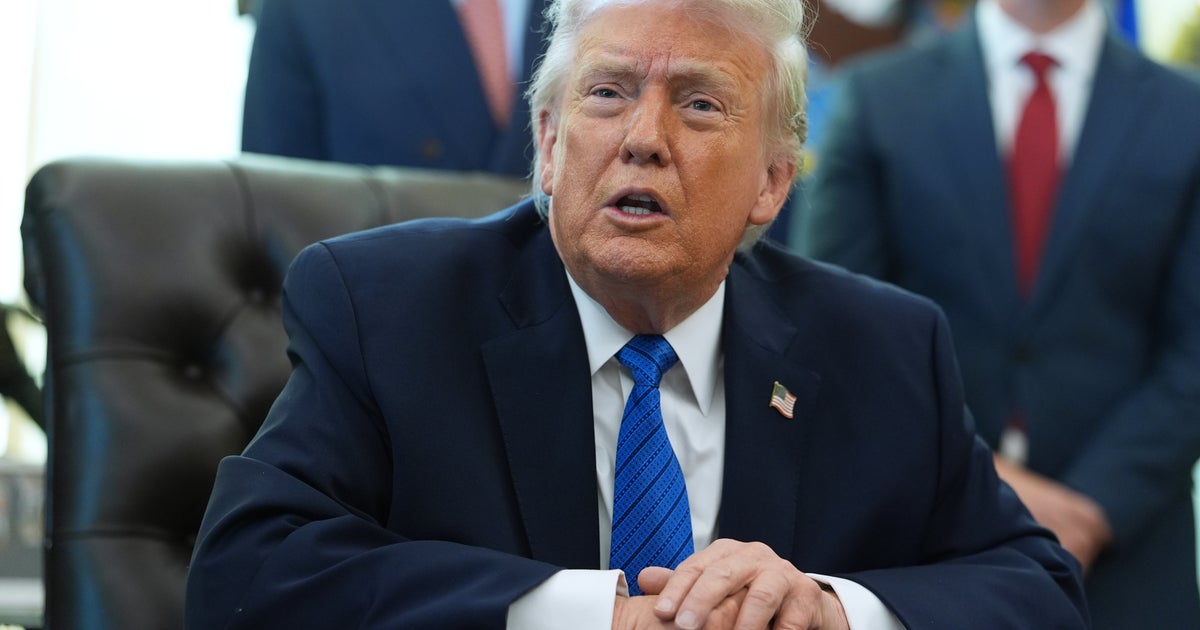
In a notable departure from his confrontational approach during last year’s record-breaking government shutdown, President Donald Trump moved decisively this week to broker a deal with Democrats over Department of Homeland Security funding. The contrast is striking: where Trump once dug in his heels for 43 days, publicly battling Democratic leaders while his team mocked opponents on social media, he now appears eager to find common ground. “The only thing that can slow our country down is another long and damaging government shutdown,” Trump posted on social media late Thursday, signaling a dramatic shift in tone and strategy. This pivot comes at a precarious political moment for Republicans, as controversy over fatal shootings involving federal immigration officers in Minneapolis threatens to undermine their messaging on tax cuts and other legislative accomplishments. Senate Democratic leader Chuck Schumer of New York, who worked directly with Trump on the funding deal, suggested the president’s urgency reflected a clear understanding of political reality. “Trump and the Republicans know that this is an issue where they’re on the wrong side of the American people and it really matters,” Schumer told reporters following Senate passage of the government funding package.
Minneapolis Shootings Trigger Political Crisis
The catalyst for this political scramble was the fatal shooting of ICU nurse Alex Pretti in Minneapolis by federal immigration officers, along with the killing of Renee Good in the same city weeks earlier. These tragic incidents sent shockwaves through the political establishment and created deep fractures within the Republican Party about how to respond. While a handful of GOP members called for the dismissal of top administration officials including Homeland Security Secretary Kristi Noem and White House chief of staff for policy Stephen Miller, most Republican senators attempted to walk a political tightrope. They expressed support for thorough investigations into Pretti’s killing while simultaneously defending the hard-line immigration enforcement that remains central to Trump’s presidency. This balancing act highlighted the difficult position Republicans found themselves in—trying to maintain their tough-on-immigration credentials while responding to public outrage over what many viewed as excessive force. Louisiana Senator John Kennedy captured the predicament perfectly: “I’ve never seen a political party take its best issue and turn it into its worst issue in the period of time that it has happened in the last few weeks. Some things have to change.” Democrats, meanwhile, unified quickly around specific reform demands, including enforcement of a code of conduct for immigration officers, ending “roving patrols” for immigration actions, and requiring better coordination with local law enforcement. The fact that Trump himself appeared eager to de-escalate the Minneapolis situation gave Democrats additional leverage in negotiations.
Political Calculations Behind the Deal
Republicans have multiple reasons for wanting to avoid another prolonged government shutdown, particularly with November elections looming and control of both chambers of Congress at stake. The timing couldn’t be worse for a funding fight to dominate headlines, as Republicans had hoped the beginning of tax season would provide a political boost when voters start seeing larger refunds from their $4.5 trillion tax and spending cuts law—the centerpiece of their legislative agenda. A shutdown would shift attention away from these accomplishments and remind voters of last year’s 43-day standoff, which polling from The Associated Press-NORC Center for Public Affairs Research showed hurt Republicans slightly more than Democrats in public opinion. Trump himself acknowledged this damage during a November meeting with Republican senators at the White House, stating bluntly: “The shutdown was a big factor, negative for the Republicans.” Beyond electoral considerations, practical concerns also motivated Republicans to seek a deal. Months of bipartisan work, including long hours over the holiday break, had gone into crafting the twelve spending bills that fund the government and numerous priorities important to lawmakers’ home districts. Alabama Senator Katie Britt, a member of the Senate Appropriations Committee, expressed the sentiment shared by many of her colleagues: “We saw what happened in the last government shutdown in regards to how it hurt real, hardworking Americans. I don’t want that to happen again.”
A Temporary Solution and Unresolved Tensions
The agreement reached this week, assuming it passes the House when members return Monday to vote, would prevent a prolonged shutdown and fund nearly every federal department through the end of the budget year in September. However, it deliberately sidesteps one of the most contentious issues facing Congress and the White House: comprehensive funding for the Department of Homeland Security. Rather than hammering out a full-year deal for DHS, lawmakers opted for a two-week extension, essentially kicking the can down the road while giving themselves little time to bridge fundamental disagreements over immigration enforcement. This short-term approach reflects the deep divisions that persist on these issues. Democrats are pushing for substantial reforms they argue are necessary to prevent future tragedies like those in Minneapolis. Their demands include requiring immigration agents to wear body cameras, carry clear identification, end roving patrols in urban areas, and coordinate more closely with local law enforcement before making arrests. Many Democrats also want stricter rules around warrants and stronger accountability mechanisms for officers conducting operations in the field. These proposals have encountered fierce resistance from Republicans who view them as handcuffing immigration enforcement and undermining the administration’s ability to carry out its immigration agenda.
Republican Frustration and Internal Divisions
Not all Republicans are pleased with Trump’s decision to negotiate with Democrats, and some have expressed frustration that could complicate passage of the funding package in the House. Alabama Senator Tommy Tuberville voiced the sentiment of the party’s hardline wing bluntly: “Republicans control the White House, Senate and House. Why are we giving an inch to Democrats?” This perspective reflects a genuine puzzlement among some Republicans about why they should compromise when they hold all the levers of power in Washington. In response to what they view as excessive Democratic demands, Republican senators are planning to introduce their own legislation focused on restricting “sanctuary cities”—a term applied to state and local governments that limit cooperation with federal immigration authorities. South Carolina Senator Lindsey Graham exemplified this counteroffensive strategy, holding up spending bills until Senate Majority Leader John Thune of South Dakota agreed to give him a future vote on his sanctuary cities legislation. “We’ve let the issue get away. We’re not leading. We’re trying to avoid losing rather than winning,” Graham complained, articulating the frustration felt by Republicans who believe their party should be on offense rather than defense on immigration matters. Despite Trump’s influence over the GOP remaining considerable, these internal tensions suggest the path forward won’t be smooth.
The Difficult Road Ahead
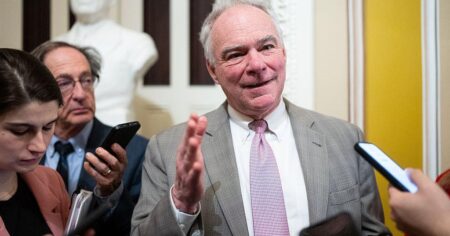
Senate Majority Leader John Thune acknowledged the challenge facing lawmakers in the coming two weeks as they attempt to negotiate a longer-term funding solution for the Department of Homeland Security. “We’ll stay hopeful,” Thune told reporters about the upcoming DHS fight, before adding candidly: “But there are some pretty significant differences of opinion.” His words underscore the reality that while Republicans and Democrats managed to avoid an immediate shutdown through this temporary agreement, the fundamental disagreements that created the crisis remain unresolved. The next two weeks will test whether the urgency that motivated this week’s deal can carry over into more substantive negotiations on immigration enforcement policy. Democrats have clear demands for reform and accountability, backed by public revulsion over the Minneapolis shootings. Republicans face pressure from their base to maintain tough immigration enforcement while simultaneously recognizing that recent events have damaged their political standing on an issue they once considered a strength. Virginia Senator Tim Kaine suggested that the Minneapolis incidents created both moral and political pressure for change: “The world has seen the videos of those horrible abuses by DHS and rogue operations catching up innocent people, and there’s a revulsion about it. The White House is asking for a ladder off the ledge.” Whether that ladder leads to genuine reform or simply to another temporary agreement remains to be seen, but the political stakes for both parties—and the human stakes for communities affected by immigration enforcement—could hardly be higher as this two-week countdown begins.