

Trump Orders Federal Agents to Stand Down from Protests Unless Requested or Property Threatened
A Significant Shift in Federal Enforcement Strategy
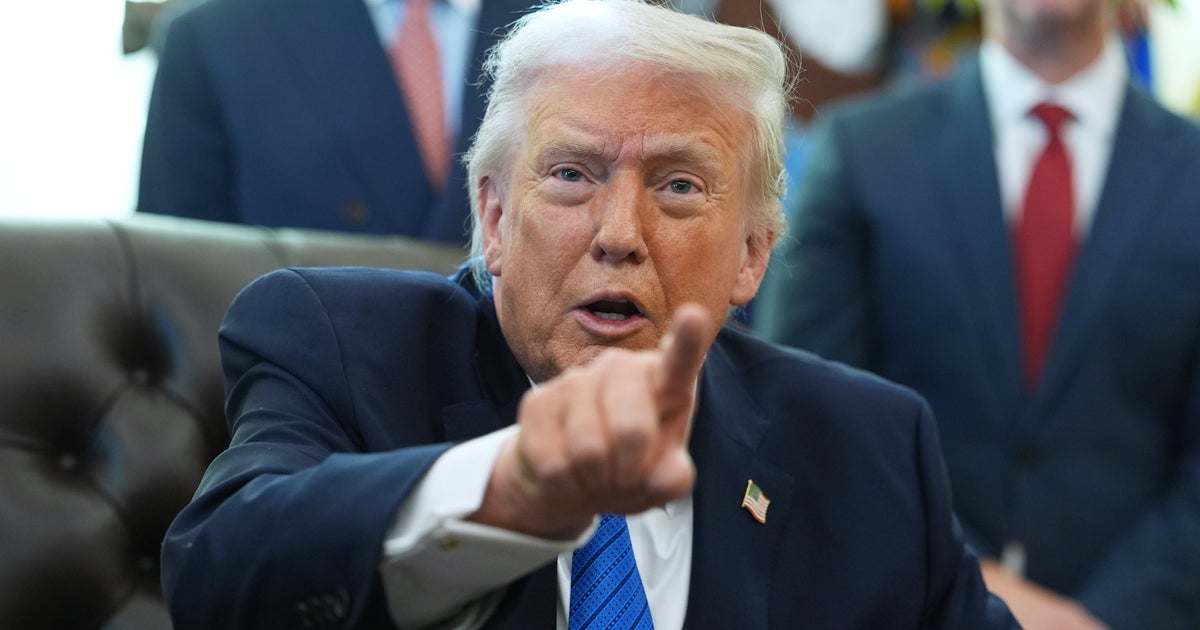
In a notable reversal of recent federal enforcement tactics, President Donald Trump announced on Saturday that he has directed the Department of Homeland Security to refrain from intervening in protests occurring in Democratic-controlled cities unless specific conditions are met. The directive comes with two key exceptions: federal assistance must be explicitly requested by local authorities, or federal property must face an imminent threat. This announcement represents a significant shift in approach following several tumultuous weeks that have seen mounting tension between federal immigration enforcement officers and local communities across the United States. The decision appears to be a response to widespread criticism and civil unrest that erupted after a substantial deployment of federal agents to Minnesota resulted in tragic consequences and sparked a national conversation about the appropriate use of federal force in local jurisdictions.
The Minnesota Crisis That Sparked National Outrage
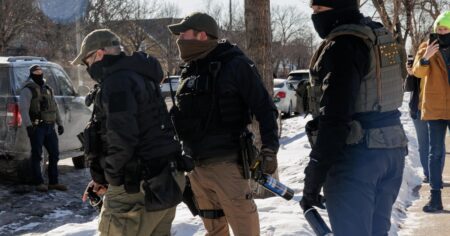
The catalyst for this policy change can be traced directly to events in Minnesota, where the Trump administration deployed approximately 3,000 federal officers, including Border Patrol and U.S. Immigration and Customs Enforcement (ICE) agents, as part of an aggressive immigration enforcement operation. What was intended as a crackdown on illegal immigration quickly spiraled into a crisis when two American citizens, Renee Good and Alex Pretti, were fatally shot by federal agents during the operation. According to federal officials, the agents claimed they were responding to threats and acting in self-defense. However, these claims have been met with widespread skepticism and contradicted by evidence that has emerged since the incidents. Video footage captured by bystanders and subsequently verified by Reuters directly challenges the Trump administration’s narrative, particularly regarding the shooting of Alex Pretti. The verified footage appears to undercut official claims that Pretti had brandished a weapon before officers opened fire, raising serious questions about the justification for the use of lethal force and the accountability of federal agents operating in local communities.
Public Response and the Rise of Grassroots Monitoring
The tragic deaths of Good and Pretti ignited a firestorm of protest and resistance across Minnesota and beyond, with thousands of demonstrators flooding the streets of Minneapolis and other American cities on Friday to demand the immediate withdrawal of federal immigration enforcement agencies from the state. The incidents also gave rise to a coordinated effort by activists and community members who began closely monitoring and following immigration officers during their operations in Minneapolis and other communities. This grassroots surveillance effort represents a new form of civilian oversight, with residents using cell phone cameras and social media to document federal enforcement activities in real-time. The activism reflects deep-seated concerns about the militarization of immigration enforcement and the potential for abuse when federal agents operate with limited local oversight. These community-based monitoring efforts have created additional tension between federal authorities and local residents, contributing to the volatile atmosphere that ultimately prompted the president’s new directive limiting federal engagement with protesters.
The New Policy: Protection of Federal Property Remains Priority
While Trump’s new order appears to represent a de-escalation of federal involvement in street-level confrontations with protesters and during immigration raids, the directive makes crystal clear that protection of federal assets remains an absolute priority. In his social media announcement, the president emphasized that ICE and Border Patrol agents will continue to act aggressively and decisively when federal buildings are at risk. “We will not allow our Courthouses, Federal Buildings, or anything else under our protection, to be damaged in any way, shape, or form,” Trump wrote, drawing a firm line around what he considers non-negotiable federal interests. The policy places responsibility squarely on the shoulders of state and local officials to protect their own properties and facilities, while also expecting them to assist in safeguarding federal assets within their jurisdictions. Trump indicated that federal assistance would be available if requested by local authorities, adding that the federal government would “take care of the situation very easily and methodically” should such requests be made. This framework attempts to balance federal authority with local autonomy, though critics may question whether it adequately addresses the underlying issues that sparked the protests in the first place.
A Pattern of Federal Intervention in Democratic Cities
The Minnesota operation represents just the latest chapter in Trump’s broader strategy of deploying federal personnel to cities predominantly governed by Democratic officials. Throughout his administration, Trump has sent federal law enforcement officers or activated National Guard members in numerous metropolitan areas, including Los Angeles, Chicago, Washington, D.C., and Portland, Oregon. The administration has consistently justified these deployments as necessary measures to enforce immigration laws and combat rising crime rates in urban centers. However, local leaders in virtually all of these cities have strongly disputed this characterization, arguing that such interventions undermine local governance, exacerbate community tensions, and often create more problems than they solve. This fundamental disagreement between federal and local authorities has created a complex legal and political landscape, with questions about federalism, states’ rights, and the appropriate balance of power between different levels of government coming to the forefront. Minnesota officials have been particularly vocal in demanding an end to the federal immigration crackdown in their state, with Attorney General Keith Ellison joining other officials in seeking legal remedies to halt the operation. On Saturday, a federal judge denied their request for a preliminary injunction, allowing the federal operation to continue even as the broader policy regarding protest engagement undergoes this significant modification.
Unanswered Questions and the Path Forward
As of the announcement, neither the Department of Homeland Security nor key Minnesota officials, including Minneapolis Mayor Jacob Frey and Attorney General Keith Ellison, had provided public responses or comments on Trump’s new directive, leaving many questions unanswered about how the policy will be implemented on the ground. The lack of immediate response from these stakeholders highlights the complexity of the situation and the need for clear communication and coordination between federal, state, and local authorities moving forward. Critical questions remain about accountability for the deaths of Renee Good and Alex Pretti, whether the contradictory video evidence will lead to investigations or disciplinary actions against the agents involved, and how communities can ensure that similar tragedies don’t occur in the future. The new policy, while potentially reducing some flashpoints between federal agents and protesters, doesn’t address the fundamental concerns many Americans have about aggressive immigration enforcement tactics and the use of federal power in local communities. As the nation watches to see how this directive is implemented and whether it genuinely reduces tensions or merely shifts them to different arenas, the broader debate about immigration policy, law enforcement accountability, and the relationship between federal authority and local sovereignty continues to evolve. The coming weeks will reveal whether this policy adjustment represents a meaningful change in approach or simply a tactical retreat in response to public pressure, and whether it can help heal the divisions that have been laid bare by recent events in Minnesota and across the country.