


The Long Shadow: Understanding the Lasting Impact of COVID-19
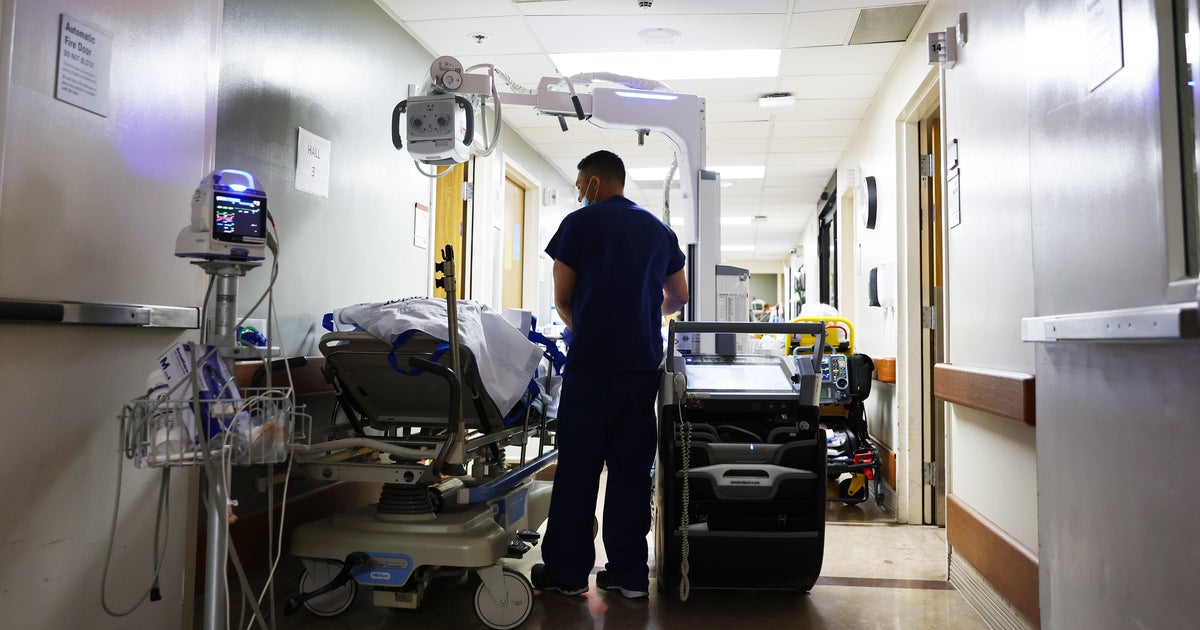
As we move further away from the height of the pandemic, many people might assume that COVID-19 is firmly in our rearview mirror. Federal officials declared an end to the national COVID emergency in May 2023, and life has largely returned to normal for most Americans. However, scientists and medical researchers are painting a much more complex picture. More than five years after the virus first emerged, new studies continue to reveal disturbing information about COVID’s ability to cause lasting harm—not just during active infection, but months and even years afterward. These findings suggest that even mild cases that seemed insignificant at the time may be silently affecting our bodies in ways we’re only beginning to understand. From potential autism risks in children whose mothers had COVID during pregnancy to cancer cells reawakening in survivors, from accelerated brain aging to cognitive declines equivalent to significant IQ drops, the research paints a sobering picture of a virus whose full impact may not be felt for decades.
A Shifting Policy Landscape Amid Growing Scientific Concerns
The expanding body of research revealing COVID’s long-term effects has emerged at a particularly challenging moment. Current federal health policies have drastically scaled back recommendations for COVID vaccination, with access now limited primarily to those 65 and older and individuals with specific risk factors. This represents a significant departure from previous guidance that recommended vaccination for most Americans. The administration has also halted nearly $500 million in funding for developing next-generation COVID vaccines using mRNA technology—the same groundbreaking approach that earned a Nobel Prize and proved instrumental in fighting the pandemic. Health officials have defended these changes as restoring “informed consent” and moving away from “one size fits all” policies, emphasizing that vaccines remain available and covered by insurance for those who want them. However, many researchers argue that this policy shift is happening at precisely the wrong time, just as science is revealing how much more we need to learn about the virus. Dr. Michael Osterholm, who directs the University of Minnesota’s Center for Infectious Disease Research and Policy, emphasizes that “the legacy of COVID is going to be long, and we are going to be learning about the chronic effects of the virus for some time to come.”
The Staggering Economic and Human Cost of Long-Term COVID Effects
Beyond the immediate health concerns, the long-term effects of COVID carry enormous economic implications that society is only beginning to grapple with. According to research published in NPJ Primary Care Respiratory Medicine, the annual global burden of the disease’s lasting health effects is estimated at a staggering $1 trillion, with costs averaging about $9,000 per patient in the United States alone. In America, lost earnings due to long-term COVID effects are estimated at approximately $170 billion annually—a figure that dwarfs the economic impact of influenza, which resulted in about $16 billion in direct health costs and $13 billion in productivity losses during the 2023-2024 season. These numbers translate into real consequences: higher healthcare costs straining both families and the medical system, increased demands on social programs and disability services, more people requiring caregivers, and a significant number of workers unable to return to their previous levels of productivity. The politicization of COVID, researchers warn, is obscuring what science increasingly confirms—that this virus has the potential to cause unexpected, possibly chronic health issues that will ripple through society for years to come.
Unexpected Threats to Future Generations and Brain Health
Some of the most alarming findings concern COVID’s potential impact on children and future generations. Researchers following children born to mothers who contracted COVID during pregnancy have discovered increased risks for autism, delayed speech and motor development, and other neurodevelopmental challenges. Another study found that babies exposed to COVID in utero experienced accelerated weight gain during their first year of life—a potential warning sign for metabolic issues that could increase cardiovascular disease risk later in life. Dr. Andrea Edlow, an associate professor at Harvard Medical School involved in these studies, notes that “there are other body symptoms apart from the developing fetal brain that also may be impacted,” emphasizing the need for more research. The virus’s effects on brain health extend beyond the womb. A major UK study published in the New England Journal of Medicine found that people who fully recovered from mild COVID infections experienced cognitive deficits equal to a three-point drop in IQ, with those who had persistent symptoms showing deficits equivalent to a nine-point IQ drop. Clinical epidemiologist Dr. Ziyad Al-Aly calculated that COVID may have increased the number of American adults with an IQ below 70 from 4.7 million to 7.5 million—an increase of 2.8 million adults dealing with “a level of cognitive impairment that requires significant societal support.” Advanced brain imaging from an Australian study revealed significant alterations even among people who had recovered from mild infections, with the lead researcher suggesting the virus “may leave a silent, lasting effect on brain health.”
The Hidden Damage: How COVID Affects Multiple Body Systems
The virus’s ability to cause inflammation throughout the body has been linked to a cascade of potential health problems affecting multiple organ systems. In the brain, COVID triggers an immune response that causes inflammation, damages brain cells, and can even shrink brain volume according to research published in Nature. A study published in eBioMedicine found that people with neurocognitive issues like changes in smell or headaches after infection had significant levels of a protein linked to Alzheimer’s in their blood plasma. The cardiovascular system isn’t spared either—the inflammatory response has been linked to blood clots, heart rhythm problems, and elevated risk of heart attacks and strokes even following mild infections. A University of Southern California study found that the risk for a major cardiac event remains elevated nearly three years after COVID infection, with these findings holding true even for people who were never hospitalized. Perhaps most troubling is research published in Nature showing that COVID can reactivate dormant cancer cells and trigger relapses, with cancer survivors who had COVID facing nearly double the risk of cancer-related death in the year following infection compared to those who tested negative. Dr. Al-Aly emphasizes the uncertainty ahead: “We don’t know what will happen to people 10 years down the road. Inflammation of the brain is not a good thing. It’s absolutely not a good thing.”
Real Lives, Real Struggles: The Human Face of Long COVID
Statistics and studies tell only part of the story—the real impact of COVID’s long-term effects is best understood through the experiences of those living with them every day. Diane Yormark, a 67-year-old retired copywriter from Florida, got COVID twice, in 2022 and 2023. The second infection left her with brain fog and crushing fatigue. “I felt like if you had a little bit too much wine the night before and you’re out of it,” she describes. Though the worst symptoms lasted about three months, she still doesn’t feel entirely like herself. Dee Farrand’s story is even more dramatic. The 57-year-old from Arizona could once run five miles and was excelling in her sales career. After recovering from COVID in May 2021, her life changed dramatically two months later when her heart began beating irregularly. Her condition became so severe she required supplemental oxygen for two years. Her cognitive abilities declined so dramatically that she couldn’t read a paragraph without forgetting what she’d just read, had to leave herself basic reminders about food allergies and preferences, and eventually lost her job, forcing her to return to her previous work as a social worker. “I was the person who is like the Energizer bunny and all of a sudden I’d get so tired getting dressed that I had to go back to bed,” Farrand recalls. While she’s improved, she still can’t run the distances she once managed easily. These stories represent millions of Americans whose lives have been fundamentally altered by a virus that many now consider just another seasonal bug, highlighting the disconnect between public perception and medical reality.