


Federal Prosecutors Overwhelmed as Immigration Cases Flood the Courts
An Unprecedented Crisis in the Justice System
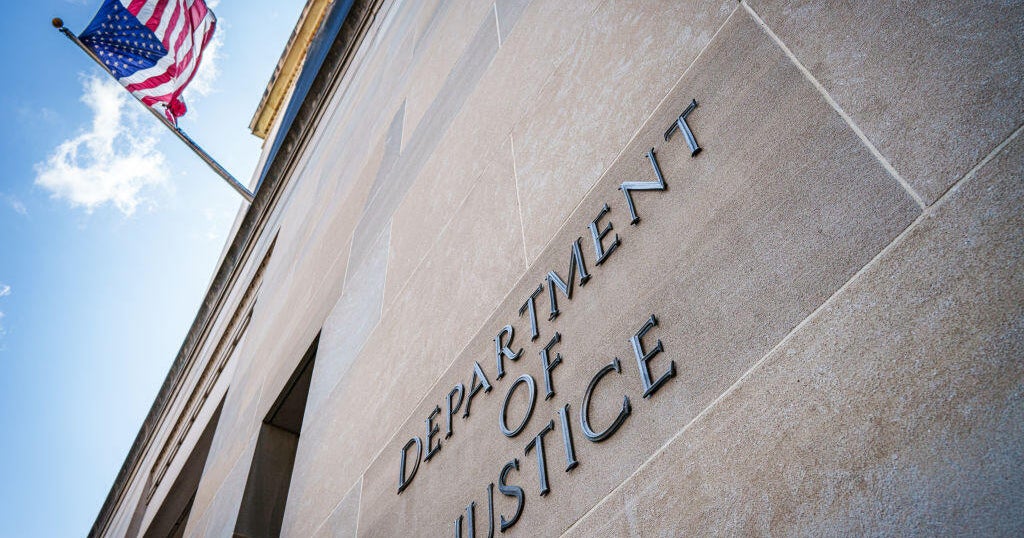
Federal prosecutors across the United States are facing what officials describe as a “tsunami” of immigration-related cases, forcing them to abandon critical work in other areas of law enforcement. The crisis has become so severe that U.S. Attorney Daniel Rosen for the District of Minnesota recently filed a court brief describing an “enormous burden” on his already understaffed office. What makes this situation particularly challenging is the timing—it’s happening during a period of significant government cuts and mass resignations that have left many U.S. Attorney’s offices operating with skeleton crews. In Minnesota alone, the number of assistant U.S. attorneys has plummeted from 70 during the previous administration to as few as 17, while simultaneously dealing with over 430 immigration petitions filed in January alone. The situation illustrates a broader crisis within the federal justice system, where the machinery of government is struggling to keep pace with the demands of aggressive immigration enforcement while maintaining its other essential functions.
The root of this problem can be traced back to September, when a Justice Department-run immigration court made a sweeping decision that essentially allowed the government to detain certain immigrants indefinitely while their removal proceedings were pending. This decision opened the floodgates for what are known as “habeas corpus petitions”—legal requests filed by detained immigrants challenging their detention and seeking release while they await bond hearings before immigration judges. Immigration lawyers responded by flooding federal courts with these petitions on behalf of their detained clients. The strategy has been remarkably successful for the immigrants: government sources report that unfavorable decisions against the Justice Department skyrocketed from nearly 100 in September to more than 600 by December. This losing streak has only intensified the workload, as prosecutors find themselves repeatedly defending detention decisions in court, often unsuccessfully, while more cases continue to pile up.
The Human Cost of an Overburdened System
The strain on federal prosecutors isn’t just a matter of numbers on a page—it’s affecting real people working impossible hours under tremendous pressure. In Minnesota, U.S. Attorney Rosen reported that paralegals and lawyers are “continuously working overtime” while the civil division operates at half capacity. The situation became dramatically visible during a recent court hearing when ICE attorney Julie Le, who had been assigned more than 80 cases in just one month, expressed her frustration to a federal judge. “What do you want me to do? The system sucks. This job sucks. And I am trying every breath that I have so that I can get you what you need,” she said, according to court transcripts. At one point, she even suggested the judge hold her in contempt of court “so that I can have a full 24 hours of sleep.” Her comment, while perhaps made in exasperation, speaks volumes about the unsustainable working conditions federal attorneys are facing. Le has since been removed from her posting at the Justice Department, but her situation exemplifies the breaking point that many prosecutors have reached.
The crisis has been compounded by a mass exodus of experienced attorneys from U.S. Attorney’s offices nationwide. Many offices experienced significant departures over the past year and are still struggling to hire qualified replacements to fill the gaps. In Minnesota, the resignations included some of the office’s most experienced prosecutors, including the four attorneys leading the high-profile $250 million Feeding Our Future fraud case—a massive fraud scandal that the Trump administration had actually cited as justification for sending thousands of federal agents to the Twin Cities. Joe Thompson, Harry Jacobs, Daniel Bobier, and Matthew Ebert all resigned and handed off the prosecution to relative newcomers. Harry Jacobs, who had recently been named head of the criminal division, was also involved in prosecuting the man accused of assassinating former Minnesota House Speaker Melissa Hortman and her husband. Sources close to these attorneys cited various factors for their departures, including caseload management issues, structural problems within the office, concerns about the Trump administration’s influence, and worries related to Operation Metro Surge—the ongoing immigration enforcement operation that has resulted in thousands of arrests and repeated confrontations with protesters.
Critical Cases Being Abandoned
Perhaps most troubling is what’s being sacrificed to handle the immigration caseload. U.S. Attorney Rosen stated plainly that his Minnesota office is now in “reactive mode” and has ceased all affirmative civil enforcement. This means federal prosecutors are no longer filing lawsuits on behalf of the government to enforce environmental regulations, protect civil rights, or recover money from tax and insurance fraud, among other vital responsibilities. These aren’t minor administrative functions—they represent the government’s ability to hold polluters accountable, protect citizens from discrimination, and pursue those who steal from taxpayers. The criminal division, which normally handles cases involving narcotics trafficking, child exploitation and pornography, terrorism, and crimes on Native American reservations, is also feeling the pinch as resources are redirected toward immigration cases. The irony is particularly sharp in Minnesota, where the massive fraud cases that supposedly justified the heavy federal presence are now being handled by inexperienced prosecutors because the veterans who built those cases have left.
The offices facing the biggest burden are those whose districts contain immigration detention facilities, where the concentration of detained immigrants means a corresponding concentration of habeas corpus petitions. Justin Simmons, the U.S. Attorney for the Western District of Texas—a district that includes several detention facilities—made an urgent request last month to senior Justice Department leaders, calling the burden unsustainable. He asked for between five and ten lawyers to be temporarily deployed from the Civil Division’s Office of Immigration Litigation, though that office itself has already lost a huge number of attorneys. Shortly afterward, the Executive Office for United States Attorneys sent a note to all 93 U.S. Attorney’s offices asking for data on pending immigration habeas cases and staffing levels, suggesting the problem is being felt nationwide. The Justice Department has begun deploying some civil attorneys to assist overwhelmed offices, but sources indicate this is a band-aid solution to a systemic problem.
The Court System Pushes Back
Federal judges have not been passive observers to this crisis. Minnesota’s Chief Judge Patrick Schiltz threatened to hold the acting head of Immigration and Customs Enforcement in contempt in connection with one detention case, citing lack of cooperation from the Department of Homeland Security. However, in his order, Judge Schiltz made a point of praising former civil division head Ana Voss (who has since departed the office), acknowledging in a footnote that she and her colleagues were “struggling mightily to ensure that respondents comply with court orders despite the fact that respondents have failed to provide them with adequate resources.” This judicial recognition of the prosecutors’ impossible situation highlights how the crisis is affecting not just the executive branch but the entire federal court system. When government attorneys can’t adequately prepare cases or respond to court orders because they’re drowning in work, the integrity of the judicial process itself is compromised.
The scene with attorney Julie Le illustrates how tensions can boil over when an unstoppable force (mounting immigration cases) meets an immovable object (limited judicial and prosecutorial resources). Federal judges expect prompt, thorough responses to court orders. Prosecutors are trained to provide exactly that. But when a single attorney is handling 80+ cases simultaneously while working continuous overtime, something has to give. Le’s outburst, while unprofessional by normal standards, was a very human response to an inhuman situation. The fact that she was removed from her posting rather than given the support and relief she clearly needed speaks to how the system is responding to symptoms rather than addressing the underlying disease. Her situation likely mirrors that of countless other federal attorneys who are suffering in silence, afraid that speaking up will cost them their careers.
The Government’s Response and What It Reveals
The Justice Department’s official response to reports of overwhelmed prosecutors has been to deflect blame rather than acknowledge systemic problems. A spokesperson told CBS News that the administration is “complying with court orders and fully enforcing federal immigration law,” then added: “If rogue judges followed the law in adjudicating cases and respected the Government’s obligation to properly prepare cases, there wouldn’t be an ‘overwhelming’ habeas caseload or concern over DHS following orders.” The characterization of federal judges as “rogue” for following established habeas corpus procedures is remarkable. The spokesperson also stated that “the level of illegal aliens currently detained is a direct result of this Administration’s strong border security policies to keep the American people safe,” framing the crisis as a necessary consequence of effective enforcement rather than as a foreseeable result of policy choices made without adequate preparation or resources.
This response reveals a fundamental disconnect between policy ambitions and administrative capacity. Aggressive immigration enforcement naturally generates legal challenges, particularly when detention policies push constitutional boundaries. The September decision allowing essentially indefinite detention was bound to trigger a wave of habeas corpus petitions—this is how the American legal system is designed to work. Detained individuals have a constitutional right to challenge their detention, and federal courts have an obligation to review those challenges. Blaming “rogue judges” for following established legal procedures doesn’t change the reality that prosecutors are overwhelmed, critical cases are being abandoned, and the entire system is under strain. The real question is whether policymakers considered these consequences before implementing sweeping changes to immigration enforcement, and whether they’re willing to provide the resources necessary to handle the predictable results of their decisions. Based on the current crisis, the answer to both questions appears to be no, leaving hardworking prosecutors and their support staff to bear the impossible burden of implementing policies without the tools to do so effectively.