
Growing Controversy: Kanye West Faces Mounting Pressure Over London Festival Performance
A Sponsorship Exodus Begins
The music world found itself at a crossroads this weekend as Pepsi made the significant decision to withdraw its lead sponsorship from London’s Wireless Festival, an event that was set to feature the controversial American rapper Kanye West as its headline act. The festival, scheduled to take place at Finsbury Park in north London from July 10-12, had been promoted under the banner “Pepsi presents Wireless,” making the beverage giant’s sudden departure particularly noteworthy. While Pepsi released a brief statement confirming their withdrawal on Sunday, the company chose not to provide explicit reasoning for their decision, though the timing speaks volumes. The move has set off a chain reaction, with other major sponsors including Budweiser and PayPal now facing intense pressure from various community groups and advocacy organizations to follow Pepsi’s lead and distance themselves from the event. The festival was expected to draw approximately 150,000 music fans over its three-day run, but the celebration is now overshadowed by serious questions about whether the event will proceed as planned with its controversial headliner.
Political Leaders Speak Out
The controversy escalated significantly when U.K. Prime Minister Keir Starmer entered the conversation, adding his voice to the growing chorus of concern over Kanye West’s scheduled appearance. In remarks published by The Sun on Sunday newspaper, Starmer didn’t mince words, calling the booking “deeply concerning” and making clear that such decisions have implications far beyond the music industry. “Antisemitism in any form is abhorrent and must be confronted clearly and firmly wherever it appears,” the Prime Minister stated, emphasizing that this isn’t simply a matter of artistic freedom but a question of societal values and public safety. He went further, noting that “Everyone has a responsibility to ensure Britain is a place where Jewish people feel safe and secure,” placing the responsibility not just on festival organizers but on society as a whole. The involvement of the country’s highest political office in what might otherwise be considered an entertainment industry matter underscores the gravity of the situation and reflects growing concerns about antisemitism in British society. This kind of direct political intervention in a cultural event is relatively rare but signals the government’s commitment to confronting hate speech and those who promote it, regardless of their celebrity status or artistic credentials.
Understanding the Controversy Behind the Artist
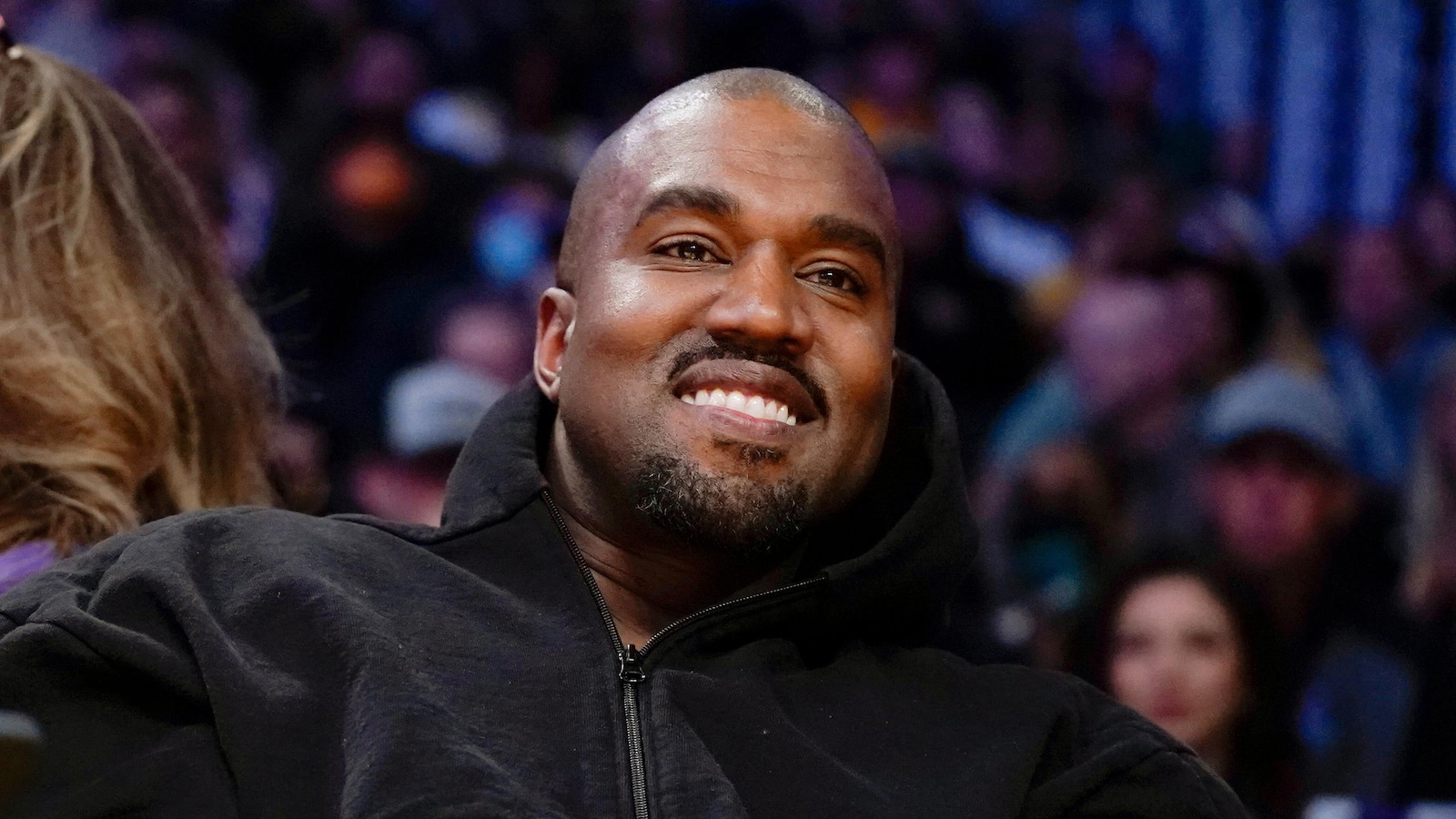
To fully grasp why Kanye West’s appearance has generated such intense opposition, it’s essential to understand the trajectory of his recent public behavior. The artist, who legally changed his name to Ye in 2021, has spiraled into increasingly troubling territory over the past few years, making a series of antisemitic remarks that have shocked even longtime supporters. His comments haven’t been subtle or ambiguous; he has openly voiced admiration for Adolf Hitler, one of history’s most notorious perpetrators of genocide against Jewish people. The situation reached an even more disturbing level last year when he released a song provocatively titled “Heil Hitler,” a direct reference to the Nazi salute that remains one of the most recognizable symbols of hate. As if that weren’t enough, just months later, he advertised a swastika T-shirt for sale on his website, displaying Nazi imagery in a commercial context. These actions represent not momentary lapses in judgment but a sustained pattern of behavior that has deeply concerned Jewish communities worldwide and anyone who values human dignity and remembers the lessons of history. The 48-year-old musician’s descent into these expressions of hatred has been particularly painful for fans who once admired his artistic innovation and cultural impact.
An Apology and a Divided Response
In January of this year, Kanye West attempted to address the damage caused by his antisemitic remarks by publishing an apology in the form of a full-page advertisement in the prestigious Wall Street Journal. In this public mea culpa, he attributed his behavior to his bipolar disorder, explaining that he had fallen into “a four-month long, manic episode of psychotic, paranoid and impulsive behavior that destroyed my life.” This explanation sought to provide context for his actions while acknowledging the harm they caused. The question of whether mental health struggles can or should excuse hate speech has generated considerable debate, with mental health advocates noting that while bipolar disorder can certainly affect judgment and behavior, it doesn’t inherently lead to antisemitism. The effectiveness of his apology appears to depend largely on who’s being asked. At a sold-out concert at SoFi Stadium in Los Angeles on Friday—his first major U.S. performance in nearly five years—fans demonstrated their willingness to separate the artist’s personal beliefs and public statements from his musical output. The enthusiastic reception at that show suggested that many in his fanbase were ready to forgive and move forward after his January apology. However, this American audience’s response stands in stark contrast to the reception he’s receiving in the United Kingdom, where community leaders, political figures, and advocacy groups are making clear that an apology, regardless of how it’s delivered or explained, doesn’t automatically erase the harm caused or guarantee a platform for future performances.
The Broader Context of Rising Antisemitism
The timing of this controversy couldn’t be more significant, as it unfolds against a backdrop of genuinely alarming increases in antisemitic incidents throughout the United Kingdom. The concerns about Kanye West’s appearance aren’t happening in a vacuum but within a society grappling with real and growing threats to its Jewish community. Just this past Saturday, in a chilling example of this trend, two men and a 17-year-old boy were ordered to remain in custody on charges related to setting fire to four ambulances operated by a Jewish community service organization in northwest London. This wasn’t simply property damage; it was a targeted attack on infrastructure serving a specific religious community. Even more tragically, last October witnessed an attack on a Manchester synagogue that resulted in the deaths of two people—a stark reminder that antisemitism in modern Britain isn’t merely about offensive language but can escalate to deadly violence. These incidents have created an atmosphere of genuine fear and vulnerability within Jewish communities across the country. Phil Rosenberg, president of the Board of Deputies of British Jews, spoke for many when he declared that allowing Kanye West to perform was “absolutely the wrong decision.” His organization represents the voice of British Jewish communities, and their opposition to the festival booking reflects deep concerns that celebrating or providing a platform to someone who has promoted antisemitic views sends a dangerous message at a particularly vulnerable time.
What Happens Next?
As of now, the Wireless Festival organizers have remained conspicuously silent, not immediately responding to requests for comment about whether they intend to proceed with Kanye West as their headline act or whether they might reconsider in light of the sponsor withdrawals and public pressure. This silence leaves many questions unanswered: Will other sponsors follow Pepsi’s lead and abandon the festival? Will the organizers stand by their booking decision or seek an alternative headliner? And perhaps most importantly, what message will ultimately be sent about accountability, redemption, and the limits of artistic freedom when it conflicts with community safety and dignity? The situation has become a test case for how societies should respond to celebrities who use their platforms to spread hatred, then seek forgiveness. It raises difficult questions about whether mental health challenges should mitigate responsibility for harmful speech, about the role of commercial sponsors in making ethical decisions, and about when, if ever, someone who has promoted antisemitism should be welcomed back to major public platforms. The coming days will likely bring clarity to at least some of these questions as pressure continues to mount from multiple directions. What’s already clear is that this controversy has transcended questions about one artist or one festival to become a broader conversation about values, responsibility, and how communities protect their most vulnerable members while navigating the complicated intersection of art, commerce, mental health, and human dignity in the modern age.