
The Royal Family Gathers for Easter: A Milestone Return and Notable Absences
A Heartwarming Return to Tradition
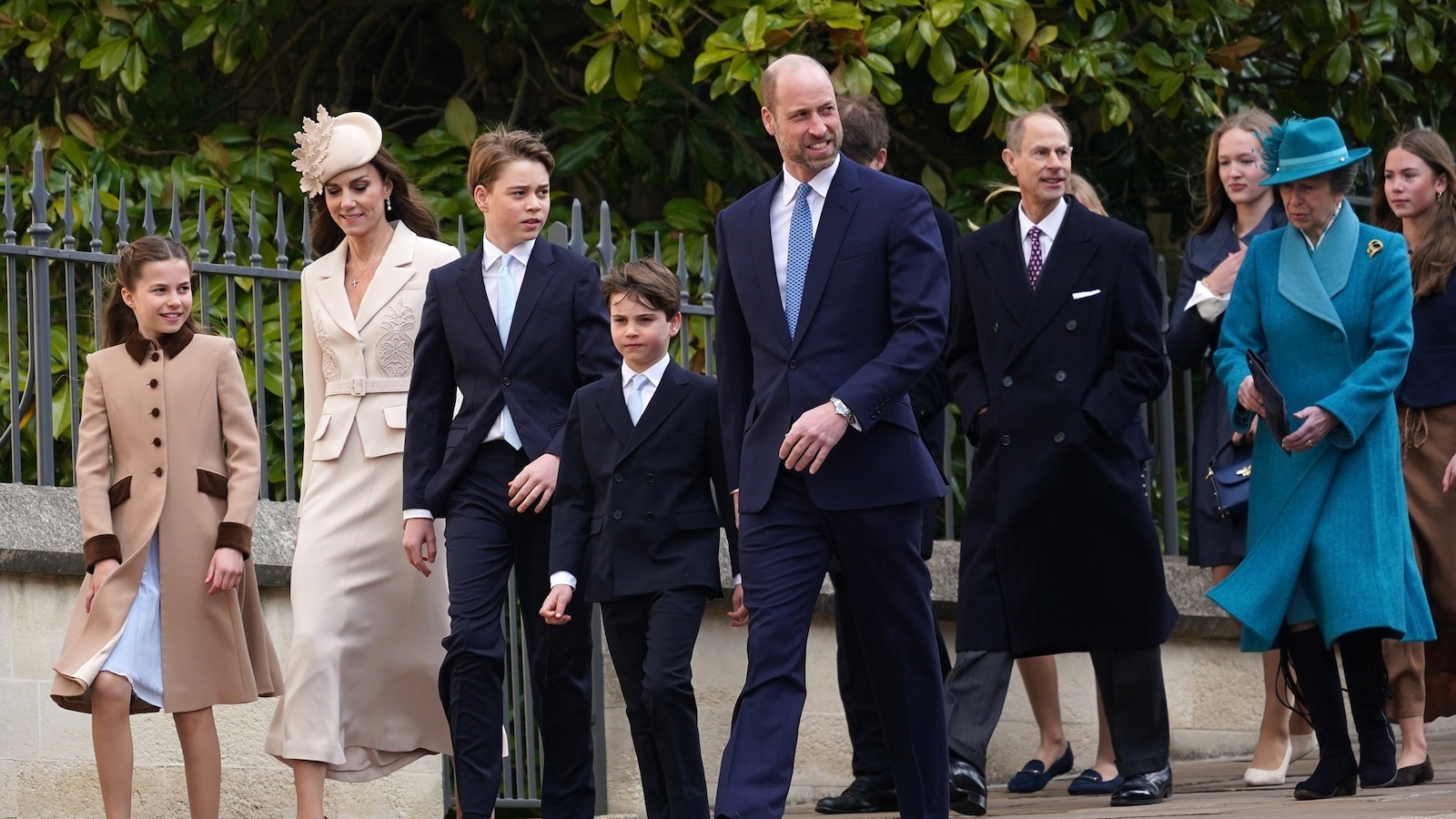
Easter Sunday 2026 marked a significant and emotional moment for the British Royal Family as Prince William and Kate, the Princess of Wales, returned to the traditional Easter service at St. George’s Chapel in Windsor. The couple appeared alongside their three children—Prince George, 12, Princess Charlotte, 10, and Prince Louis, 7—in what represented their first Easter service attendance since 2023. The family had been notably absent from the previous two years’ celebrations, a period overshadowed by Kate’s cancer diagnosis and subsequent treatment. Their return to this cherished royal tradition symbolized not just a resumption of public duties, but a triumphant moment of resilience and recovery for the Princess of Wales, who had faced one of the most challenging periods of her life with grace and determination.
The service at St. George’s Chapel, a historic venue within Windsor Castle’s grounds, brought together senior members of the royal family for the traditional Easter celebrations. King Charles III and Queen Camilla led the gathering, joined by other family members including Prince Edward and Princess Anne. The sight of the Wales family walking together to the chapel represented a powerful image of unity and normalcy, particularly poignant given the difficulties they had navigated over the past two years. For royal watchers and the British public alike, the family’s presence signified hope and continuity, demonstrating that despite personal health challenges, the monarchy’s traditions and public commitments would endure.
Kate’s Cancer Journey and Road to Recovery
The context surrounding the Wales family’s absence from previous Easter services reveals a deeply personal struggle that captivated public attention and sympathy. In March 2024, the 44-year-old Princess of Wales made the courageous decision to publicly announce her cancer diagnosis, sharing that she was undergoing chemotherapy treatment. The announcement sent shockwaves through the United Kingdom and around the world, as Kate had become one of the most beloved members of the royal family, known for her dedication to charitable causes, her role as a mother, and her steady presence alongside Prince William. While Kate chose to keep specific details of her diagnosis private—a decision respected by the public and media—her openness about facing cancer brought attention to the disease and offered comfort to countless others fighting similar battles.
The months that followed her announcement were marked by Kate’s withdrawal from public life as she focused on her treatment and recovery. The royal family, and particularly Prince William, rallied around her during this difficult time, with William occasionally speaking about the family’s experience and the challenges of supporting a loved one through cancer treatment while also caring for their three young children. Last year brought the news that many had been hoping for: Kate announced that her cancer was in remission, a milestone that brought immense relief to her family and joy to millions who had been following her journey. Her return to public engagements, including this Easter service, represents not just a personal victory but serves as an inspiration to others facing similar health challenges, demonstrating that recovery is possible and that life can return to a new normal after such a diagnosis.
The Visible Royal Presence
The Easter service showcased the next generation of royals as Prince George, Princess Charlotte, and Prince Louis accompanied their parents to this important religious observance. These public appearances serve multiple purposes for the royal family: they maintain centuries-old traditions, they allow the public to see the family together, and they gradually prepare the young royals for their future roles in the monarchy. Prince George, as second in line to the throne after his father, receives particular attention during these appearances, though all three children have captured the public’s affection with their natural charm and occasional playful moments during formal events. Their attendance at Easter service represents part of their ongoing education in royal duties and responsibilities, carefully balanced with their parents’ desire to provide them with as normal a childhood as possible.
King Charles III and Queen Camilla’s presence at the service reinforced the continuity of the monarchy and the importance of family unity during both celebratory and challenging times. Since ascending to the throne following Queen Elizabeth II’s death, King Charles has worked to maintain royal traditions while also modernizing certain aspects of the monarchy. His support for Kate during her illness and his visible inclusion of the Wales family in royal events demonstrates his commitment to family bonds alongside royal duties. Other senior royals, including Prince Edward and Princess Anne, also attended the service, presenting a united front and showing the depth of the royal family’s bench as they share responsibilities and public appearances across various engagements throughout the year.
The Notable Absences and Ongoing Controversy
While the Wales family’s return provided the headline story of the Easter service, equally notable were the absences that sparked considerable speculation and commentary. Andrew Mountbatten-Windsor, formerly known as Prince Andrew and the King’s younger brother, did not attend the service, nor did his daughters, Princesses Beatrice and Eugenie. This absence comes against the backdrop of Mountbatten-Windsor’s arrest less than two months earlier, on February 19, on suspicion of misconduct in public office. Though he was released without charge, the arrest stemmed from documents released by the U.S. Justice Department that revealed communications between Mountbatten-Windsor and the late convicted sex offender Jeffrey Epstein. The timing of the arrest and the ongoing controversy surrounding Mountbatten-Windsor’s past associations have created an uncomfortable situation for the royal family, one that continues to generate media attention and public scrutiny.
According to a royal source who spoke to ABC News, the decision for Beatrice and Eugenie to skip the Easter service was theirs alone, not a directive from King Charles. The source emphasized that this absence should not be interpreted as a permanent exclusion from future royal family engagements, suggesting that the sisters may choose to attend other events as circumstances evolve. This clarification appears designed to prevent speculation that the King had banned his nieces from royal gatherings due to their father’s situation. However, the practical reality remains that the Mountbatten-Windsor family’s public association with royal events has become complicated by the ongoing scandal, creating a delicate balancing act for both the family members involved and the monarchy as an institution.
The Fall from Grace and Its Consequences
Andrew Mountbatten-Windsor’s journey from senior royal to controversial figure represents one of the most dramatic falls from grace in recent royal history. He was formally stripped of his royal titles and honors by King Charles last year, a decision that came years after he initially stepped back from royal public duties in 2019. At that time, he described his withdrawal as necessary due to his “former association with Jeffrey Epstein,” a connection that had increasingly become a source of public concern and criticism. Mountbatten-Windsor has consistently denied any wrongdoing with respect to Epstein, but he has not spoken publicly since his February arrest, maintaining a silence that has only fueled further speculation and commentary about his situation and future role, if any, within the royal family structure.
The consequences of the scandal have extended beyond titles and public duties to affect Mountbatten-Windsor’s living arrangements and daily life. In February, he was moved from his longtime residence at Royal Lodge, located on the grounds of Windsor Castle, to a property on the King’s privately owned Sandringham Estate in Norfolk, England—a distance of over 100 miles from his previous home. This relocation effectively removes him from the immediate proximity of Windsor Castle, where many royal events and family gatherings take place, creating both physical and symbolic distance between Mountbatten-Windsor and the active working members of the royal family. The move represents King Charles’s efforts to manage a deeply uncomfortable family situation while also protecting the reputation and integrity of the monarchy as an institution, demonstrating that even family ties have limits when weighed against the responsibilities and public perception of the crown.