

Virginia Activist Cleared of Criminal Charges After Protesting Outside Trump Adviser’s Home
Prosecutor Dismisses Case, Citing First Amendment Protections
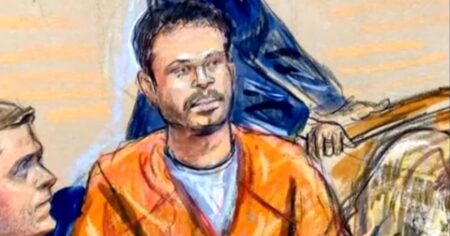
In a significant victory for free speech advocates, a Virginia prosecutor has declined to press criminal charges against an activist who organized protests outside the home of Stephen Miller, a prominent White House adviser during the Trump administration, and distributed flyers containing his residential address. Barbara Wien, a former college professor and longtime political activist based in Arlington, Virginia, had been under investigation by state authorities for nearly a year following her involvement in protests last August and September. The decision not to prosecute was announced by Arlington and Falls Church Commonwealth Attorney Parisa Dehghani-Tafti, who concluded after an extensive review of the evidence that there was no probable cause to support criminal charges under Virginia state law.
In an unusually detailed 166-page court filing that laid out her reasoning, Dehghani-Tafti explained that the evidence gathered during the investigation, including materials seized through a search warrant, did not support prosecution under the specific statute in question. The law at issue criminalizes the use of someone’s identity or address as a means to coerce, intimidate, or harass another person, with violations classified as a misdemeanor offense. However, after carefully examining Wien’s actions and the materials she distributed, the prosecutor determined that the activist’s conduct did not meet the threshold for criminal behavior under this statute. Beyond the absence of probable cause, Dehghani-Tafti also raised concerns about the constitutional implications of bringing charges against Wien, noting that prosecuting her for expressing opposition to government policies would likely violate her First Amendment rights to free speech and political expression.
The Protests and “Wanted” Flyers That Sparked the Investigation
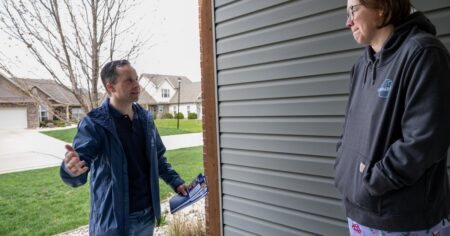
The investigation into Barbara Wien began after she took part in demonstrations outside Miller’s Arlington residence and distributed flyers in his neighborhood that depicted the controversial political figure on what appeared to be a “Wanted” poster. The flyers accused Miller of “crimes against humanity,” referencing his role in developing and implementing some of the Trump administration’s most contentious immigration policies. These materials contained Miller’s home address in Arlington, making his residential location publicly available to anyone who received one of the flyers. The flyers also included a QR code that viewers could scan with their smartphones, which directed them to information encouraging people to demand a congressional investigation into Miller’s activities and policy decisions during his time as a senior adviser in the White House.
A second flyer that Wien distributed in Miller’s neighborhood took a different approach but maintained the critical stance toward the political figure. This version described Miller as “the alt-right extremist behind Trump’s most abhorrent policies, Project 2025 and your new neighbor in Arlington, Va.” The reference to Project 2025, a conservative policy blueprint developed by the Heritage Foundation for a potential future Republican administration, linked Miller to ongoing conservative political planning beyond his official White House role. Both flyers were part of Wien’s broader activist campaign to draw attention to policies she and others viewed as harmful, particularly regarding immigration enforcement, border security measures, and the treatment of migrants and asylum seekers. The inclusion of Miller’s residential address proved to be the most controversial element, as it raised questions about the boundaries between legitimate political protest and potentially threatening behavior toward public officials in their private spaces.
Legal Standards and the Difficult Balance Between Free Speech and Privacy
The prosecutor’s decision not to charge Wien highlights the complex legal terrain where constitutional protections for political speech intersect with concerns about privacy, safety, and potential harassment of public officials. In her extensive legal analysis, Commonwealth Attorney Dehghani-Tafti emphasized that Wien’s “Wanted” flyer did not call for any action at or near Miller’s residence, nor did it encourage viewers to take any direct action against Miller himself as an individual. This distinction proved crucial to the legal determination. Rather than inciting harassment or creating a genuine threat, the prosecutor concluded that “the sole call to action was to a traditionally and clearly protected political activity, encouraging residents to petition Congress to investigate Mr. Miller’s actions based on the wanted flyer’s allegations.” This type of advocacy—urging citizens to contact their elected representatives to demand accountability from government officials—falls squarely within the core protections of the First Amendment.
The case raises important questions about where society should draw lines when it comes to protesting at the private homes of public officials and publicizing their residential addresses. On one hand, public officials who make consequential policy decisions affecting millions of people have historically been subject to greater scrutiny and criticism than private citizens, with reduced expectations of privacy regarding their actions in office. Political protest, even when uncomfortable or confrontational, has long been recognized as a vital component of democratic governance, allowing citizens to express dissent and hold their leaders accountable. On the other hand, concerns about the safety of public officials and their families, the sanctification of the home as a private refuge, and the potential for protests to cross the line into harassment or intimidation are also legitimate. The prosecutor’s determination that Wien’s activities remained on the protected side of this line was based not only on the letter of the law but also on the broader constitutional principles that undergird American democracy.
The Ethical Dimensions of Prosecution Decisions
Beyond the strictly legal analysis of probable cause, Dehghani-Tafti’s decision reflected a deeper consideration of the ethical responsibilities prosecutors bear when deciding whether to bring criminal charges. In her filing, she explicitly stated that pursuing charges against Wien “would neither accomplish the ends of justice nor discharge the Commonwealth’s ethical obligations of fair prosecution.” This language reveals the prosecutor’s recognition that technical legal authority to charge someone with a crime does not necessarily mean that bringing such charges serves the interests of justice or the community. Prosecutors exercise significant discretion in deciding which cases to pursue, and this discretion involves weighing not only the strength of the evidence but also the broader implications of prosecution, including potential chilling effects on constitutionally protected activities.
The decision also reflects an awareness of the political context in which the potential charges would have been brought. Prosecuting an activist for protesting against government policies and officials could easily be perceived as a government effort to silence dissent or punish political opposition. Such prosecutions risk creating a chilling effect on political speech more broadly, as other activists might fear criminal consequences for engaging in similar forms of protest and advocacy. Dehghani-Tafti’s determination acknowledged these concerns explicitly, noting that charging Wien for her opposition to Trump administration policies would likely violate her First Amendment rights. This recognition underscores the special protections that American constitutional law provides for political speech, even when that speech is harsh, critical, or makes those in power uncomfortable. The prosecutor’s restraint in this case serves as a reminder that in a democratic society, the appropriate response to political speech that remains within legal bounds is more speech, not criminal prosecution.
Implications for Political Activism and Public Official Privacy
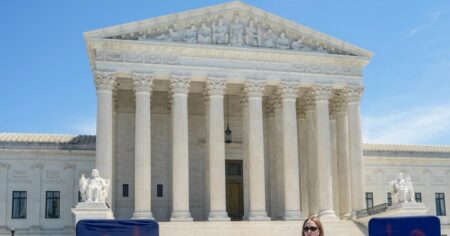
The decision not to prosecute Barbara Wien will likely be welcomed by civil liberties organizations and activists who engage in various forms of political protest, including demonstrations at the homes of public officials. In recent years, such protests have become more common across the political spectrum, with activists on both the left and right organizing demonstrations outside the residences of elected officials, judges, and appointed government figures. The protests outside Supreme Court justices’ homes following the leaked draft opinion overturning Roe v. Wade, demonstrations at the homes of public health officials during the COVID-19 pandemic, and various other residential protests have sparked ongoing debates about the appropriateness and legality of these tactics. Wien’s case provides at least one data point suggesting that merely publicizing the address of a public official and organizing protests in their neighborhood, without calls for violence or direct harassment, may be protected political activity even when it makes the targets deeply uncomfortable.
However, the decision in this particular case should not be interpreted as blanket permission for any and all activities involving public officials’ private residences. The prosecutor’s determination was based on the specific facts of Wien’s conduct, particularly the absence of calls for action at Miller’s home and the focus on petitioning Congress rather than directly confronting or harassing the official. Different factual circumstances—such as explicit threats, calls for confrontation at someone’s home, blocking access to residences, or conduct that rises to the level of true stalking or intimidation—could certainly support criminal charges under appropriate statutes. The line between protected political speech and criminal harassment remains context-dependent and fact-specific. Nevertheless, the Wien case establishes an important precedent recognizing that activism targeting public officials, even when it involves their home addresses and is highly critical in tone, may warrant protection under the First Amendment when it remains focused on legitimate political advocacy rather than personal intimidation or threat.