


Russian Man Sentenced for Assault After Barron Trump’s Emergency Call to London Police
A Violent Attack Interrupted by an International Intervention
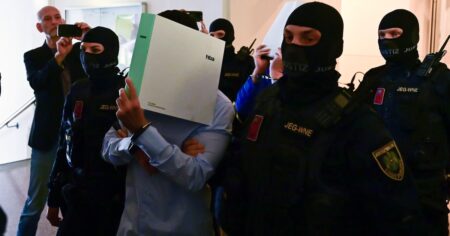
In an unusual case that bridged continents and involved the son of the U.S. President, a Russian man has been sentenced to four years in prison for a violent assault on a woman in London. Matvei Rumiantsev, 23, was convicted by a jury and sentenced at Snaresbrook Crown Court in east London on Friday, following an attack that was witnessed remotely and reported to British police by Barron Trump, the youngest son of President Donald Trump. The case highlights both the global connectivity of modern relationships and the sometimes dangerous consequences of jealousy and possessive behavior. What makes this case particularly noteworthy is how a chance video call became a lifeline for a woman in distress, with someone thousands of miles away taking swift action to save her from further harm.
The incident that led to Rumiantsev’s conviction occurred on January 18, 2025, when he drunkenly assaulted the victim in what prosecutors described as a jealousy-fueled attack. The woman, whose identity is protected under U.K. law, had developed a friendship with Barron Trump through social media, despite Trump living in the United States. During the violent assault, Rumiantsev discovered that Trump was attempting to reach the woman via FaceTime. In a disturbing turn of events, Rumiantsev answered the video call himself and deliberately turned the camera to show Trump the woman crying on the floor, apparently as a way of asserting dominance or making his jealousy known. This decision would prove to be his downfall, as it prompted Trump to immediately contact London police from across the Atlantic, ultimately leading to Rumiantsev’s arrest and subsequent conviction.
The Legal Proceedings and Verdict
Matvei Rumiantsev faced serious charges including assault with bodily harm, rape, and choking. After deliberations, the jury convicted him on January 28 of assault causing bodily harm but acquitted him of the rape and choking charges. However, he faced an additional conviction for perverting the course of justice after it was discovered that he had sent a letter to the victim from jail attempting to pressure her into retracting her allegations against him. This additional charge demonstrated Rumiantsev’s continued efforts to manipulate the situation and avoid accountability for his actions, even after his arrest and during the legal proceedings.
During the sentencing hearing, Justice Joel Bennathan delivered pointed remarks about Rumiantsev’s character and behavior throughout the ordeal. The judge described the defendant as “totally unrepentant” and characterized him as “a man given to jealousy.” Justice Bennathan was particularly critical of Rumiantsev’s demeanor during the trial, noting that “your lack of insight and empathy was apparent at trial” and observing that “you continue to try to blame the complainant for everything that has happened.” These comments painted a picture of a defendant who refused to take responsibility for his violent actions and instead attempted to shift blame to his victim, a common tactic in domestic violence cases that judges increasingly recognize and condemn.
The Defense’s Strategy and Barron Trump’s Role
The defense, led by lawyer Sasha Wass, attempted to minimize the severity of what Barron Trump could have witnessed during the brief video call, arguing that in just 5 or 7 seconds of video, he couldn’t have seen enough to truly understand the situation. The defense also tried to portray the relationship between Rumiantsev and the victim as one “full of dramas,” suggesting that the woman had deliberately exploited her connection to Trump to make her boyfriend jealous. This defense strategy attempted to shift responsibility away from Rumiantsev’s violent behavior and instead frame the incident as part of a pattern of relationship drama initiated by the victim.
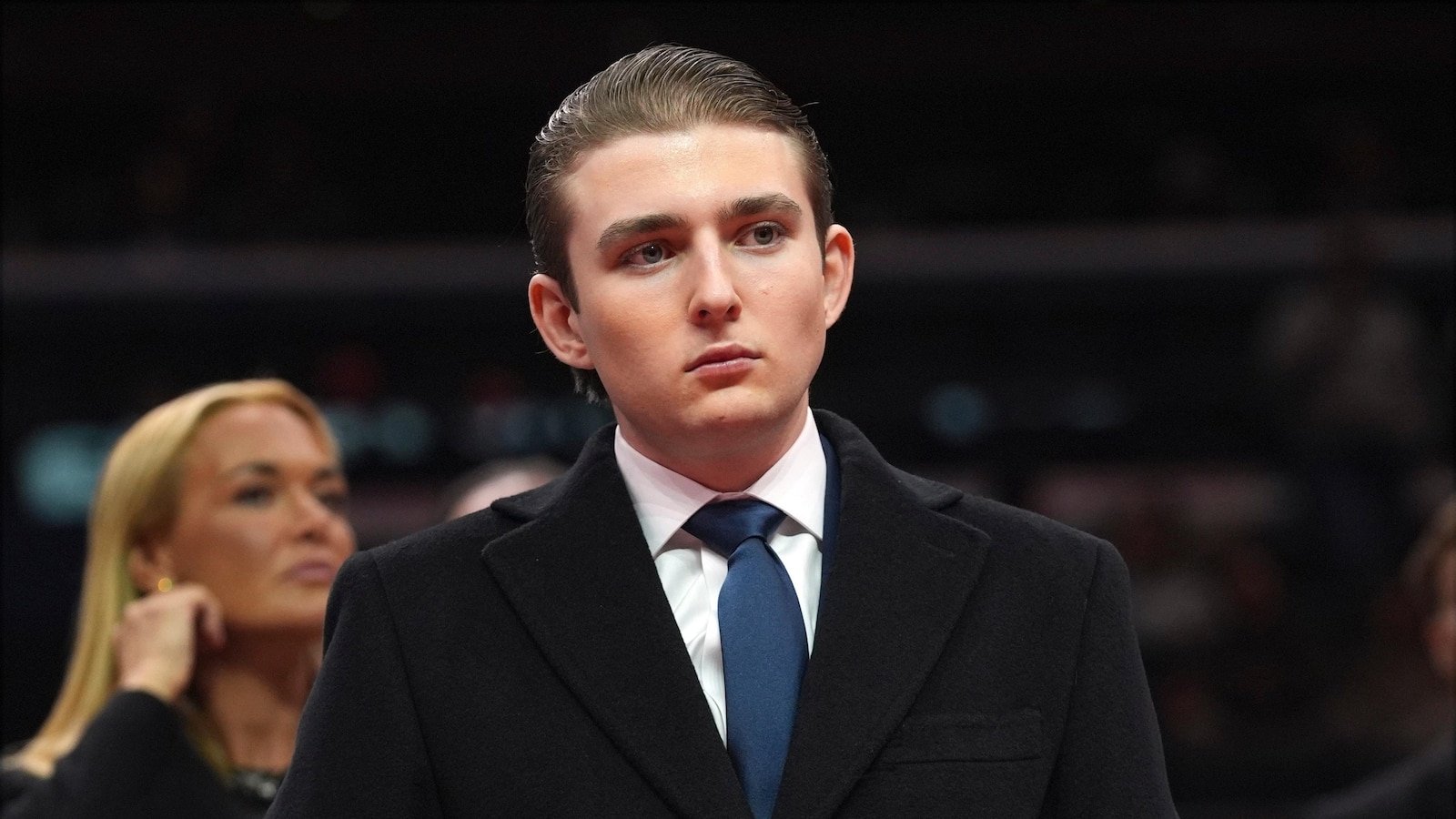
Rumiantsev himself testified during the trial, admitting that he was jealous of Barron Trump’s friendship with his girlfriend. In a peculiar twist, he also claimed to feel sorry for Trump, believing that his girlfriend was “leading him on” and taking advantage of the president’s son. This testimony revealed the depth of Rumiantsev’s jealousy and his distorted perception of the situation. Barron Trump, now 19 and the only child of Donald and Melania Trump, did not testify in the case. His role was limited to the emergency call he made to London police, but his quick thinking and responsible action were ultimately crucial to the case’s resolution and potentially to saving the victim from more serious harm.
The Emergency Call That Changed Everything
The recording of Barron Trump’s call to London police from the United States provides a glimpse into the urgency of the situation and the challenges of reporting an emergency from thousands of miles away. During what was described as a “sometimes strained conversation,” Trump told the emergency operator: “It’s really an emergency … I’m calling from the U.S., uh, I just got a call from a girl, you know, she’s getting beat up.” Despite the geographical distance and the unusual nature of the call—receiving a report of a London assault from someone in the United States—the police responded promptly to the address provided. Officers arrived at the scene and arrested Rumiantsev, who worked as a receptionist in London. This swift response likely prevented the situation from escalating further and potentially saved the victim from more serious injuries or worse.
Justice Bennathan specifically praised Barron Trump’s actions during his sentencing remarks, acknowledging that the young man’s intervention may have prevented a tragedy. The judge noted that the victim had feared for her life during the attack, believing she might be killed. “Mr. Trump properly and responsibly, despite being in the United States, made sure the emergency services here were called, and he told them what he had seen,” the judge said. This commendation highlights how modern technology and quick thinking can literally save lives, even across international borders. The case also demonstrates the importance of taking action when witnessing domestic violence, even remotely, rather than assuming someone else will intervene or that the situation isn’t serious enough to warrant police involvement.
Broader Implications and the Reality of Modern Relationships
This case illuminates several important issues in our increasingly connected world. First, it demonstrates how social media has transformed the nature of human relationships, allowing people from different countries to form friendships and connections that would have been impossible in previous generations. The friendship between Barron Trump and the victim, formed through social media despite them living on different continents, represents how technology has made the world smaller and more interconnected. However, this case also shows the darker side of these connections, as Rumiantsev’s jealousy over his girlfriend’s online friendship led to violence.
The case also serves as a stark reminder of the serious nature of domestic violence and the patterns of control and manipulation that often accompany it. Rumiantsev’s decision to send a letter from jail asking the victim to retract her allegations is a classic example of an abuser attempting to maintain control even after arrest. His lack of remorse, as noted by the judge, and his attempts to blame the victim for his own violent behavior are unfortunately common characteristics in domestic violence cases. The four-year prison sentence sends a message that such behavior will not be tolerated, though many advocates would argue that sentences for domestic violence should be even more severe given the lasting trauma inflicted on victims. This case, with its unusual international element and the involvement of a presidential family member, has drawn attention to issues that affect countless people every day, usually without any media coverage or public awareness. It reminds us that domestic violence can happen to anyone, regardless of their social connections, and that intervention—whether from neighbors, friends, or in this case, someone thousands of miles away—can make the difference between life and death.