
The Vienna Concert Terror Plot: When ISIS Targeted Taylor Swift’s Eras Tour
A Plot That Shook the Music World
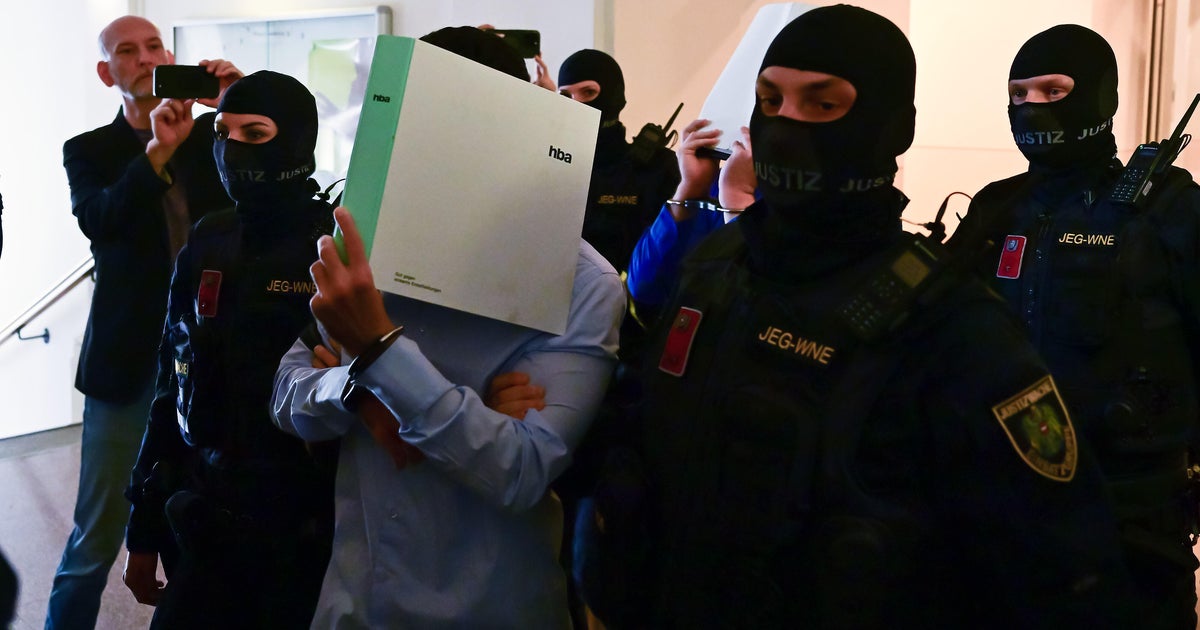
In a courtroom in Wiener Neustadt, Austria, a chilling chapter in modern concert security is being written as a 21-year-old man stands trial for allegedly plotting one of the most devastating attacks on a music event since the Manchester Arena bombing. Known only as Beran A. due to Austrian privacy laws, the defendant is accused of swearing allegiance to ISIS and meticulously planning a mass casualty attack targeting fans attending Taylor Swift’s sold-out concerts in Vienna in August 2024. The trial, which began in late April 2026, has brought back haunting memories for both music fans and security officials worldwide. The defendant faces a potential 20-year prison sentence on charges including terrorist offenses and membership in a terrorist organization. What makes this case particularly disturbing is the scale of the intended carnage—authorities believe the suspect hoped to kill tens of thousands of people, targeting not just the 65,000 fans inside Ernst Happel Stadium each night, but also the estimated 30,000 “Swifties” who would gather outside the venue, hoping to catch a glimpse of their idol or simply be part of the electric atmosphere that surrounds her record-breaking Eras Tour.
From International Terror Networks to Vienna
The story of this thwarted attack is more complex than a simple lone-wolf operation. Beran A. is being tried alongside another defendant, Arda K., and their connection to a broader international terror network reveals the sophisticated web of ISIS-inspired violence that continues to threaten civilian targets worldwide. According to prosecutors, the two men, along with a third suspect named Hasan E., had initially planned coordinated attacks across three countries during the holy month of Ramadan in 2024. Their targets were spread across Saudi Arabia, Turkey, and the United Arab Emirates, demonstrating the transnational ambitions of their alleged conspiracy. Hasan E. allegedly put part of this plan into action when he stabbed a security guard at the Grand Mosque in Mecca, Saudi Arabia, on March 11, 2024, one of Islam’s holiest sites. He was arrested there and remains in pretrial detention in Saudi Arabia. Meanwhile, Beran A. and Arda K. never carried out their planned attacks in Turkey or the UAE, but Beran A.’s attention allegedly turned homeward to Vienna, where he saw an opportunity in the massive crowds that would gather for Taylor Swift’s concerts.
The Race Against Time
The investigation that prevented this tragedy demonstrates the critical importance of international intelligence cooperation in the modern fight against terrorism. It was American intelligence that proved decisive in stopping the attack, providing Austrian authorities with crucial information about the ISIS-connected plot. David Cohen, the CIA’s Deputy Director, spoke candidly about the operation a few weeks after the arrests, acknowledging just how close the world came to another devastating terror attack at a music venue. “They were plotting to kill a huge number—tens of thousands of people at this concert, including, I am sure, many Americans—and were quite advanced in this,” Cohen revealed. The Austrians were able to make arrests because American intelligence agencies and their partners provided detailed information about what the ISIS-connected group was planning. The timeline became frighteningly tight when authorities searched Beran A.’s apartment on August 7, 2024—just one day before the concerts were scheduled to begin. What they found confirmed their worst fears: bomb-making materials that could have been turned into deadly weapons. The suspect had allegedly been networking with other ISIS members, discussing weapons purchases and bomb construction. In the days leading up to the performances, he had reportedly attempted to illegally purchase additional weapons, suggesting the attack was in its final preparation stages.
When Dreams Were Dashed
The decision to cancel the three Vienna concerts was devastating for fans who had traveled from across the globe to be part of Swift’s historic Eras Tour. The tour, which had begun in March 2023 and would eventually conclude in December 2024, was already being hailed as a cultural phenomenon—the first tour in history to surpass $1 billion in ticket sales, with nearly 150 shows across five continents and more than 10 million tickets sold. For thousands of “Swifties,” the Vienna dates represented months of planning, significant financial investment, and the fulfillment of a dream to see their favorite artist perform. Taylor Swift herself learned of the bomb plot while on a plane flying to Austria, according to her Eras Tour documentary—a moment that must have been absolutely terrifying. Two weeks after the cancellations, she shared her feelings in an Instagram statement that resonated with both fans and security professionals. “Having our Vienna shows cancelled was devastating,” Swift wrote. “The reason for the cancellations filled me with a new sense of fear, and a tremendous amount of guilt because so many people had planned on coming to those shows.” Despite their disappointment, the Swifties demonstrated the resilient and creative spirit that has become a hallmark of Swift’s fan community. Rather than simply dispersing in despair, they transformed Vienna into a citywide celebration of their shared love for the artist, organizing friendship bracelet trading posts and spontaneous singalongs throughout the city, particularly at Stephansplatz, where large groups gathered to sing Swift’s songs together, turning disappointment into a testament to the power of community.
Echoes of Manchester
The Vienna plot inevitably drew comparisons to the 2017 suicide bombing at an Ariana Grande concert in Manchester, England—an attack that remains seared into the collective memory of the music industry and concert-goers worldwide. In that horrific incident, a bomber detonated an explosive device in the venue’s foyer as thousands of young fans, many of them children and teenagers, were leaving at the end of the concert. Twenty-two people were killed, and hundreds were injured, making it the deadliest extremist attack in the United Kingdom in recent years. The Manchester attack fundamentally changed how the music industry and security professionals think about concert safety, leading to enhanced security protocols at venues worldwide. The fact that terrorists continue to view concerts as attractive targets speaks to a cruel calculation: these events bring together large numbers of people, often young, in enclosed or semi-enclosed spaces where emotions run high and guard might be down. For terror organizations like ISIS, such targets offer the potential for mass casualties and maximum psychological impact. The alleged Vienna plot would have potentially exceeded even Manchester in its death toll, given the suspect’s plan to target both the 65,000 people inside the stadium and the tens of thousands gathered outside with knives and homemade explosives. That such an attack was prevented demonstrates both the persistence of the threat and the improving effectiveness of international counterterrorism cooperation.
Justice Delayed but Not Denied
As the trial proceeds in Wiener Neustadt, about an hour south of Vienna, important questions about guilt, motivation, and justice are being examined in detail. Beran A.’s defense attorney, Anna Mair, has indicated that her client plans to plead guilty to most of the charges against him, though she hasn’t specified which ones he will contest. Only Beran A. is charged in connection with the Taylor Swift concert plot, while Arda K. faces terrorism-related charges connected to the planned attacks in Saudi Arabia, Turkey, and the United Arab Emirates. The proceedings, which are scheduled to continue on May 12, 2026, will ultimately determine whether Beran A. receives the maximum 20-year prison sentence for his alleged crimes. The trial represents more than just the prosecution of one or two individuals—it’s a statement about society’s commitment to protecting innocent people from ideologically motivated violence. For the thousands of Swifties who had their Vienna experience stolen from them, for Taylor Swift herself who carried guilt despite bearing no responsibility, and for all those who simply want to enjoy music without fear, this trial offers a measure of accountability. It also serves as a sobering reminder that the threat of terrorism remains real and that the freedoms we cherish—to gather, to celebrate, to simply enjoy an evening of music—require constant vigilance to protect. The Eras Tour went on to complete its remarkable journey, but the Vienna concerts that never happened will always represent both a tragedy averted and a innocence lost in our ongoing struggle to balance openness with security in an age of persistent threats.