
Trump Considers Pulling Troops from Germany Amid NATO Tensions
A Historic Military Presence Under Review
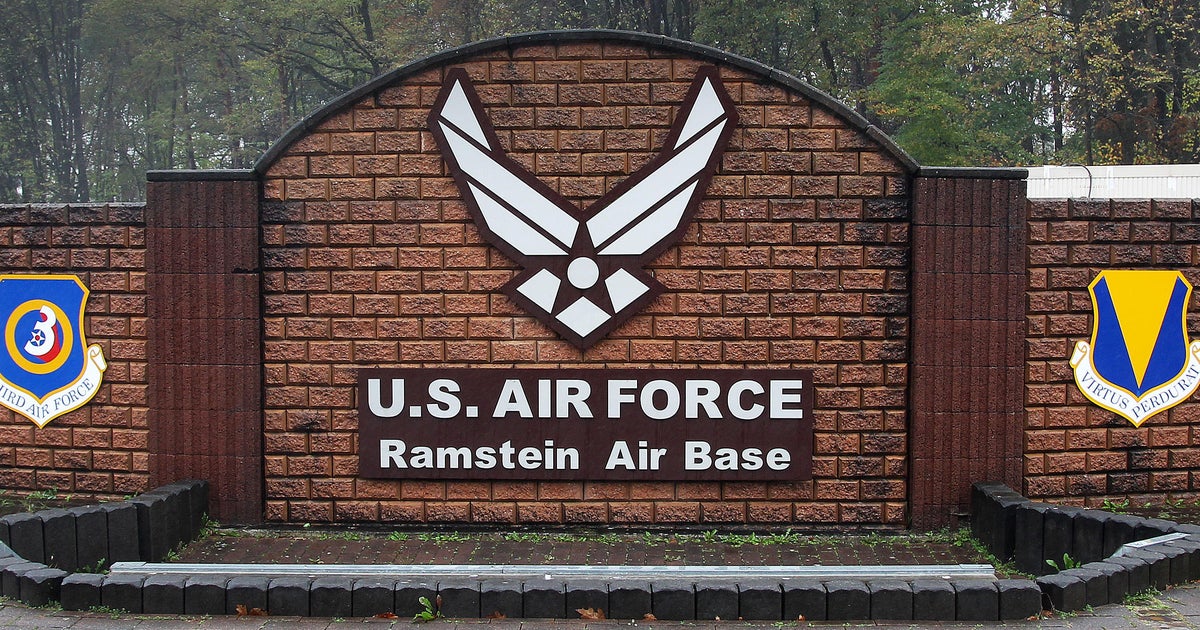
President Trump announced Wednesday that the United States is considering a significant reduction of its military forces stationed in Germany, a move that comes amid growing tensions with German leadership and the broader NATO alliance over America’s approach to Iran. Taking to Truth Social, the president stated that his administration is actively “studying and reviewing the possible reduction of Troops in Germany,” with a final decision expected in the coming weeks. This isn’t just a minor adjustment—it could fundamentally reshape America’s military footprint in Europe, which has remained substantial since the end of World War II. Currently, Germany hosts more than 36,000 active duty U.S. troops spread across various bases throughout the country, along with nearly 1,500 reservists and approximately 11,500 civilian personnel, according to recent Defense Department statistics. Only Japan hosts more American military personnel on foreign soil. Germany’s strategic importance extends beyond troop numbers; it serves as the headquarters for both U.S. European Command and Africa Command, while Ramstein Air Base functions as a critical operational hub for American military activities across multiple regions.
The Iran Conflict Drives a Wedge Between Allies
The consideration of troop reductions comes at a particularly delicate moment in transatlantic relations, as European nations have been attempting to maintain some distance from the escalating conflict between the United States and Iran. President Trump’s frustration with European allies has been mounting steadily, particularly over what he perceives as their unwillingness to stand firmly alongside America during this crisis. The president has gone so far as to threaten withdrawal from NATO entirely, dismissing the decades-old alliance as a “paper tiger” for refusing to enter the war against Iran. However, any such dramatic move would face significant obstacles, as a 2023 law specifically requires congressional approval before the president could remove the United States from the NATO alliance. Meanwhile, European nations are dealing with their own consequences from the Middle East conflict, including sharply rising energy prices as the Iran situation severely restricts oil exports from the region. This economic pressure adds another layer of complexity to the already strained relationship between America and its European partners.
A War of Words with Germany’s Chancellor
The immediate trigger for Trump’s latest threat appears to be comments made by German Chancellor Friedrich Merz, who openly criticized the American approach to Iran earlier this week. In remarks that clearly struck a nerve with the U.S. president, Merz suggested that “the Americans clearly have no strategy” regarding Iran and went further to imply that the United States was being “humiliated” by Iranian negotiators during ongoing discussions. President Trump responded swiftly and sharply on Tuesday via social media, accusing Merz of being soft on Iranian nuclear ambitions and declaring that the German chancellor “thinks it’s OK for Iran to have a Nuclear Weapon” and “doesn’t know what he’s talking about.” The president didn’t stop there, adding a broader critique of Germany’s overall performance: “No wonder Germany is doing so poorly, both Economically, and otherwise!” Despite this very public exchange of criticisms, Chancellor Merz attempted to downplay the rift when speaking to reporters just hours before Trump floated the possibility of troop reductions. Merz insisted that he maintains a good working relationship with the American president, despite their obvious and well-documented disagreements over how to handle Iran.
A Long-Standing Skepticism of NATO
Trump’s current tensions with NATO and consideration of reducing the American military presence in Germany aren’t entirely new developments—they represent a continuation of views he’s held for years. Throughout his political career, the president has consistently accused NATO member states of failing to contribute their fair share to collective defense, spending too little on their own military capabilities while relying too heavily on American protection and resources. This fundamental disagreement about burden-sharing within the alliance has been a recurring theme of Trump’s foreign policy approach. During his first term in office, specifically in 2020, Trump announced plans to withdraw approximately 12,000 U.S. forces from Germany, explicitly citing the European nation’s supposed “delinquency” in military spending as justification. That proposal encountered significant opposition from both Democrats and Republicans in Congress who worried about the strategic implications of such a move, and the plan was ultimately reversed when President Joe Biden took office. More recently, in a smaller-scale adjustment last fall, U.S. officials confirmed to CBS News that around 700 troops deployed across Germany, Romania, and Poland would be returning home. At that time, U.S. Army Europe and Africa characterized the move as part of a routine “deliberate process to ensure a balanced U.S. military force posture” and emphasized it should not be interpreted as “an American withdrawal from Europe or a signal of lessened commitment to NATO.”
Strategic Implications and European Concerns
The potential reduction or withdrawal of American forces from Germany carries profound strategic implications that extend far beyond simple troop numbers. Germany’s location in the heart of Europe has made it an ideal staging ground for U.S. military operations for decades, providing rapid response capabilities for crises anywhere on the continent and in neighboring regions. The presence of European Command and Africa Command headquarters on German soil represents a significant investment in infrastructure, intelligence capabilities, and operational coordination that would be extremely difficult and costly to relocate. Ramstein Air Base, in particular, serves as a vital logistics and operational hub, facilitating everything from troop movements to medical evacuations to drone operations across multiple theaters. European security experts have long argued that the American military presence in Germany serves not only European interests but American ones as well, providing forward positioning that enhances U.S. global reach and influence. Any substantial reduction in this presence would likely be viewed by both allies and adversaries as a signal of American retrenchment from Europe, potentially emboldening Russia and creating anxiety among Eastern European NATO members who already feel vulnerable.
The Road Ahead for Transatlantic Relations
As President Trump considers his options regarding troop levels in Germany, the broader question facing policymakers on both sides of the Atlantic is what this means for the future of the transatlantic partnership that has been a cornerstone of Western security architecture since World War II. The current tensions highlight fundamental differences in how the United States and Europe view their roles in the world and their responsibilities to one another. While Trump emphasizes burden-sharing and immediate transactional benefits, many European leaders see the NATO alliance and the American military presence as mutually beneficial arrangements that provide stability, deterrence, and a foundation for shared values. The coming weeks will reveal whether this latest threat of troop reductions is primarily a negotiating tactic designed to pressure European allies into more actively supporting American policy toward Iran, or whether it represents a genuine strategic shift in how the United States engages with Europe. Whatever decision Trump ultimately makes will have lasting consequences for American influence in Europe, the cohesion of the NATO alliance, and the broader geopolitical balance of power at a time when authoritarian challenges from Russia and China continue to test the resolve and unity of democratic nations worldwide.