

Secret Service Trainee Arrested for Allegedly Spying on Roommate with Hidden Camera
A Disturbing Breach of Trust at America’s Top Law Enforcement Academy
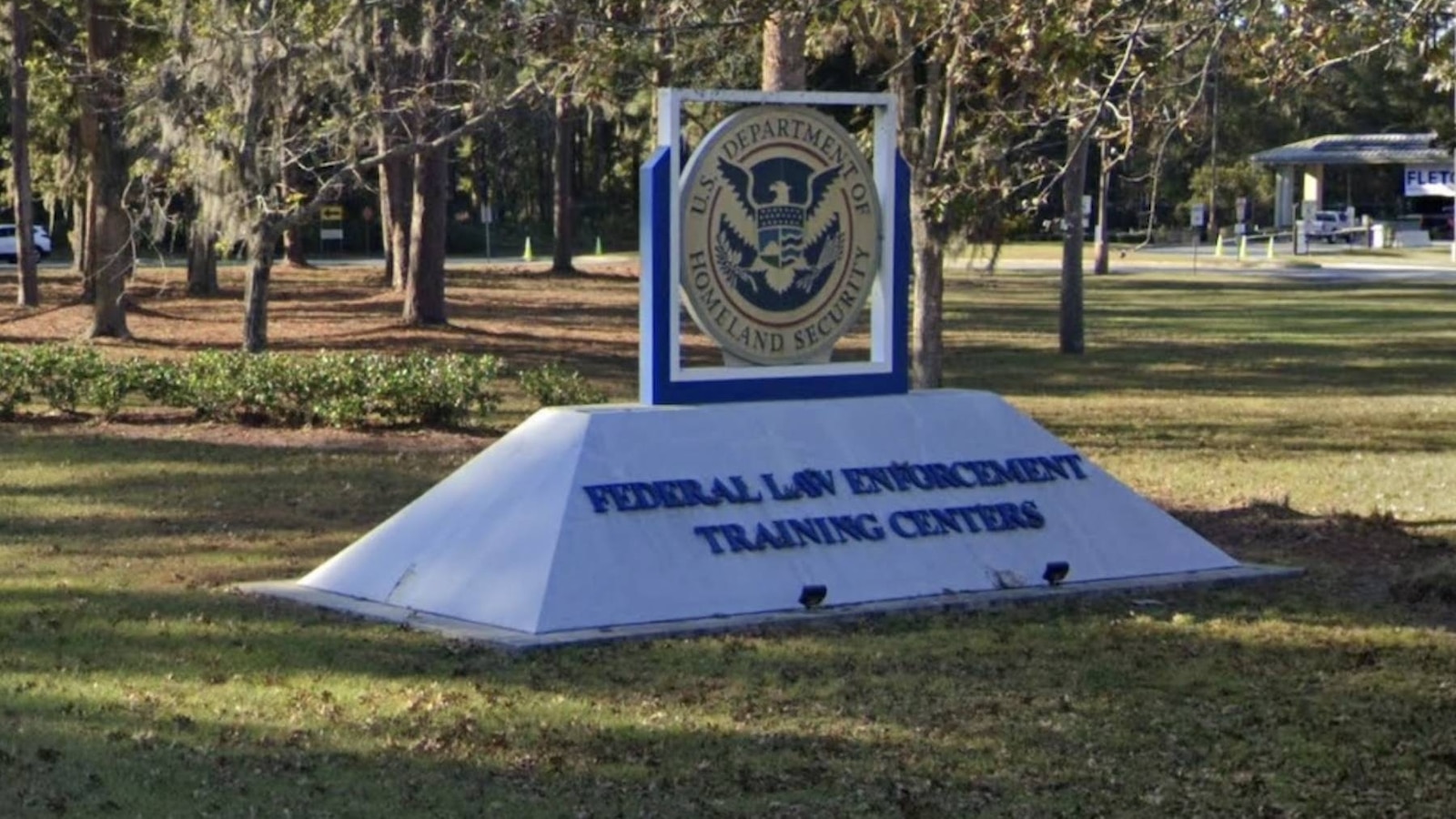
In a shocking incident that has sent ripples through federal law enforcement circles, a Secret Service agent-in-training has been arrested on felony eavesdropping charges after allegedly conducting an elaborate spy operation against his own roommate. Joel Lara Canvasser, who was undergoing training at the Federal Law Enforcement Training Center (FLETC) in Glynco, Georgia, stands accused of planting a hidden camera inside what appeared to be an ordinary phone charger and using it to secretly film his suitemate’s every move. What makes this case particularly unsettling is that Canvasser didn’t stop at surveillance—according to police reports from Glynn County, Georgia, he allegedly launched a weekslong campaign of psychological harassment, sending his roommate anonymous text messages designed to make him believe he was being stalked by a stranger who could see everything he did, even in the privacy of the bathroom.
The arrest, which took place on Wednesday, resulted in Canvasser being charged with unlawful eavesdropping or surveillance. He was released after posting bond of $8,458 and has not responded to requests for comment from news organizations. The Federal Law Enforcement Training Center, where the incident occurred, represents the premiere training ground for federal agents across various agencies, making this breach particularly concerning for an institution built on principles of integrity, trust, and lawful conduct. Secret Service Deputy Director Matthew Quinn didn’t mince words when addressing the situation, calling the charges “deeply troubling” and stating they “raise significant concerns about the individual’s character and fitness to serve.” The agency has moved swiftly in response, revoking Canvasser’s access to all Secret Service facilities and computer systems while suspending both his work status and security clearance as the legal process unfolds.
The Elaborate Deception: How the Spying Scheme Unfolded
According to the detailed police report, the scheme began in March when Canvasser’s suitemate—who was also a Secret Service trainee—discovered his phone charger had mysteriously disappeared. In what now appears to have been a calculated move, Canvasser stepped in to offer a replacement charger, conveniently blaming the disappearance on cleaning staff by suggesting “the cleaning ladies may have taken it.” The unsuspecting roommate accepted the offered charger and plugged it in below the television in their shared living space, unknowingly giving the hidden camera inside a perfect vantage point with “coverage of the entire room.” For approximately a week, the surveillance continued without the victim’s knowledge, with Canvasser allegedly watching his roommate’s private moments in real-time.
Then the psychological torment began. The roommate started receiving strange text messages from various phone numbers. At first, he dismissed them as typical spam, the kind of nuisance messages everyone occasionally receives. But as time went on, the messages became increasingly specific and disturbing—they referenced things he was doing in real-time, making it clear that whoever was sending them was actively watching him at that very moment. The terrified trainee initially assumed his phone had been hacked and compromised, so he took the logical step of placing a Band-Aid over his phone’s camera lens to block any potential surveillance. Little did he know that the real camera was sitting in plain sight, disguised as an innocent charging device he used every day.
The Predator Posing as Helper: A Chilling Manipulation Tactic
In a twist that makes this case even more psychologically disturbing, the victim turned to the very person tormenting him for help. Since Canvasser had a reputation among the trainees for having “a cyber background” and being “supposedly good with technology,” the roommate sought his assistance in dealing with what he believed was a compromised device. Playing his role to perfection, Canvasser told his suitemate that he was probably dealing with malware and graciously offered to help reset the phone completely. However, after the reset was complete, the roommate noticed something strange—his freshly wiped phone had automatically connected to Canvasser’s personal WiFi network without any action on his part. This struck him as odd, though he apparently didn’t yet connect all the dots about what was really happening.
The reprieve from the harassment was brief. Just one week after the phone reset, the anonymous, threatening text messages made their return. Then came the moment that changed everything. The roommate was using the bathroom with his phone in his pocket when he received yet another message—but this one specifically referenced him using the bathroom at that exact moment. This revelation was a turning point: the victim suddenly realized that the surveillance wasn’t coming from his phone’s camera at all, but from some other device in his living space. With this new understanding, he began examining his surroundings more carefully. When his eyes fell on the borrowed phone charger, something caught his attention—an unusual glint when the light hit it at a certain angle. Upon closer inspection, he discovered what he’d been searching for: a camera lens hidden inside the charger. When he pulled the device from the wall, the changing light revealed the lens that had been secretly recording him for weeks.
Beyond Surveillance: The Full Scope of the Alleged Invasion
The hidden camera was just one element of what the roommate described as a sustained invasion of his privacy and personal space. According to his statement to police, Canvasser had allegedly been entering his room without permission on multiple occasions during the past month, often while he was asleep at night. This revelation adds another disturbing dimension to the case—not only was the victim being watched remotely, but his alleged tormentor was also physically entering his private space when he was at his most vulnerable. The roommate told investigators that he had resorted to locking up his personal belongings in an attempt to prevent these nocturnal intrusions, though it’s unclear whether these measures were ultimately effective. The combination of electronic surveillance, psychological harassment through anonymous messages designed to instill fear, and physical invasion of private space paints a picture of sustained, calculated abuse that went far beyond a single lapse in judgment.
The implications of these allegations are profound, especially considering the context in which they occurred. These weren’t ordinary roommates in a college dormitory—they were federal agents in training, individuals who had been selected to serve in one of the nation’s most elite protective services. They were supposed to be learning the values of honor, integrity, and respect for the law that would guide their careers protecting the highest officials in the land. Instead, one of them allegedly used skills and technology to victimize a colleague in an elaborate scheme that violated both criminal law and every ethical standard the Secret Service represents. The swift response by Secret Service trainers and FLETC personnel, which Deputy Director Quinn commended in his statement, suggests that once the situation came to light, the institutions involved took immediate and appropriate action to address it through proper legal channels.
Another Black Eye for an Agency Under Scrutiny
This incident represents yet another troubling chapter for an agency that has faced intense criticism and scrutiny in recent years. The Secret Service, tasked with one of the most critical missions in government—protecting the President, Vice President, their families, and visiting foreign dignitaries—has seen its reputation damaged by a series of high-profile failures and scandals. Perhaps most notably, the attempted assassination of Donald Trump at a Pennsylvania campaign rally two years ago, when he was a former president seeking to return to the White House, exposed serious vulnerabilities in the agency’s protective protocols. That incident, which resulted in the shooting of Trump and ultimately led to the resignation of the Secret Service director, was characterized as a “historic security failure by the Secret Service” in an independent review conducted by the Department of Homeland Security.
The Canvasser case is particularly concerning because of his previous role within the agency before he entered training to become a special agent. He wasn’t a complete outsider or a brand-new recruit with no connection to the Secret Service’s mission. Canvasser had been working as a civilian employee assigned to the Office of Strategic Information and Intelligence, a division responsible for monitoring and assessing threats to the president and others under Secret Service protection. He joined the Secret Service in the fall of 2023, giving him time to become familiar with the agency’s operations, culture, and the sensitivity of its mission before allegedly engaging in this behavior. The fact that someone with this background and level of access could allegedly engage in such predatory conduct raises serious questions about the agency’s vetting processes, both for initial hiring and for advancement to special agent positions that carry even greater responsibility and trust.
Ongoing Challenges and the Path Forward
This case also echoes other recent scandals that have plagued the Secret Service, including an incident involving an agent assigned to protect former President Barack Obama who knowingly breached his duties while pursuing a romantic interest and living what was described as a double life. That situation, which came to public attention through a memoir written by the agent’s ex-girlfriend, prompted an internal investigation once agency leadership became aware of the situation, and the agent was ultimately terminated from service. The pattern of these incidents—ranging from operational security failures to individual misconduct—suggests systemic challenges within an organization that operates under immense pressure and requires the highest standards of personal and professional conduct from its personnel.
As the legal process moves forward in the Canvasser case, the Secret Service and federal law enforcement community more broadly will need to grapple with difficult questions about how such behavior could occur among individuals selected for elite federal service. What screening processes failed to identify warning signs? What cultural or organizational factors might have contributed to the environment in which this occurred? How can training programs better instill the values of respect, integrity, and lawfulness that should be fundamental to federal law enforcement? While this case involves the alleged criminal conduct of one individual, it inevitably reflects on the institution as a whole and its ability to select and develop agents worthy of the public trust. The Secret Service has acknowledged that the charges raise “significant concerns about the individual’s character and fitness to serve,” and has stated it will allow the facts to be presented through the judicial process. For the victim—a young trainee who sought only to serve his country and found himself instead the target of an elaborate surveillance and harassment scheme—the path to justice is just beginning, as is the process of recovering from this profound betrayal by someone who should have been a trusted colleague and fellow guardian of the nation’s leaders.