
Shia LaBeouf Opens Up About Mardi Gras Arrest and Personal Struggles
A Candid Confession Following Legal Troubles
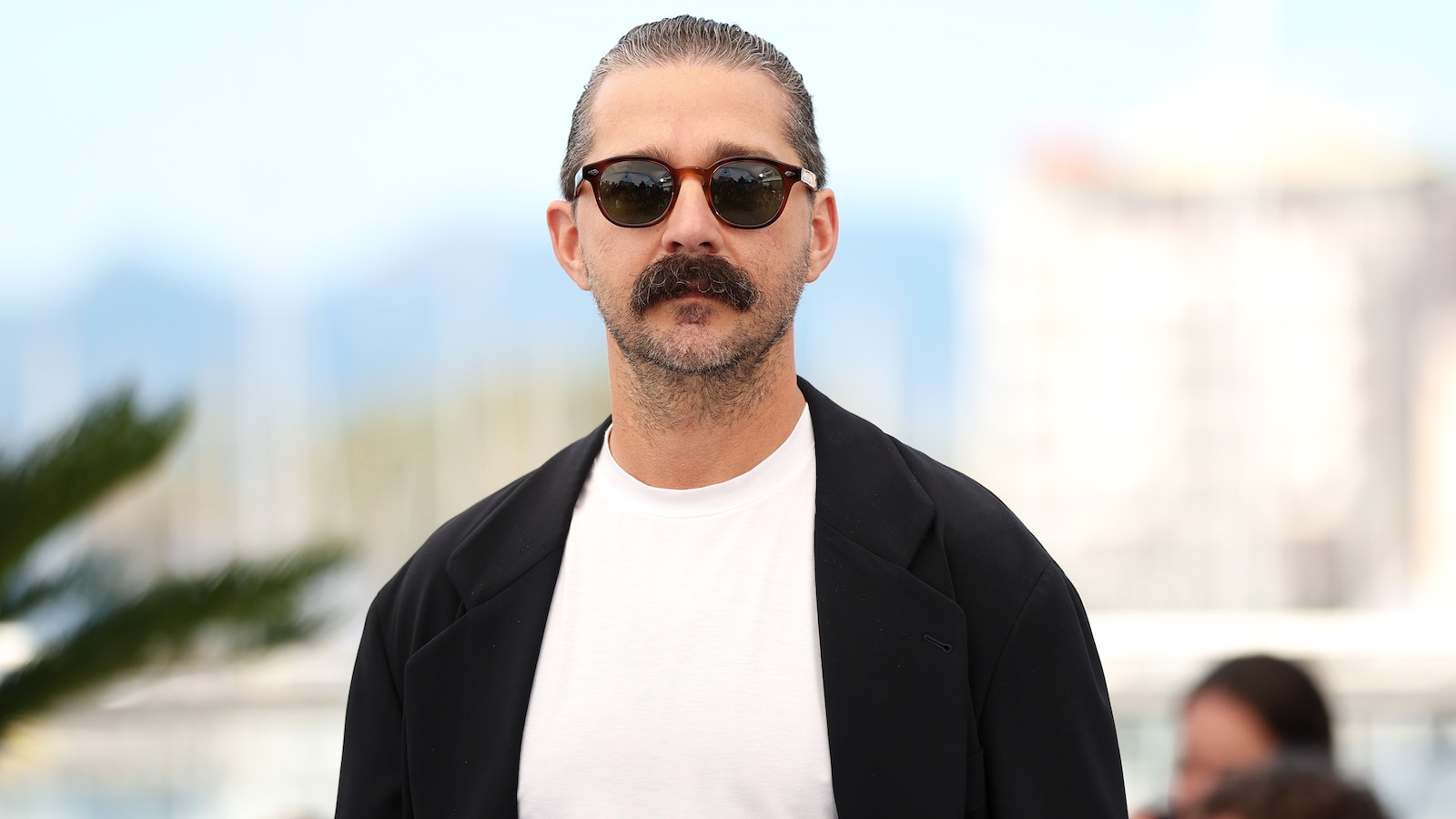
Actor Shia LaBeouf has broken his silence regarding his recent arrest during the Mardi Gras festivities in New Orleans, offering a rare glimpse into his personal struggles and state of mind. In a revealing interview with “Channel 5 with Andrew Callaghan” that was uploaded to YouTube on February 28, the Hollywood star didn’t shy away from taking responsibility for his actions while simultaneously questioning whether traditional rehabilitation is the right path forward for him. LaBeouf’s candid admission that his behavior was unacceptable demonstrates a level of self-awareness, yet his reluctance to return to rehab highlights the complex relationship many people have with recovery programs. The interview came at a particularly turbulent time for the actor, who was facing multiple legal charges stemming from alleged incidents during the New Orleans celebrations. His willingness to address these issues publicly, even while legal proceedings were ongoing, shows either remarkable courage or perhaps a need to control his own narrative during a difficult period in his life.
Questioning the Rehab Solution
One of the most striking aspects of LaBeouf’s interview was his frank assessment that rehabilitation facilities may not hold the answers he’s seeking. “My behavior [was] bulls—. I gotta deal with that,” he acknowledged without hesitation. “Does that mean I gotta go to rehab again? I’m just not into it. I don’t think my answers are there. I just don’t … I genuinely don’t. If I genuinely did, I’d go.” This statement reveals a man grappling with the disconnect between societal expectations for how he should address his problems and his own understanding of what might actually help him. For someone who has presumably been through rehabilitation programs before, his skepticism isn’t necessarily dismissive or irresponsible—it could reflect the reality that one-size-fits-all solutions don’t work for everyone. Many people who struggle with behavioral issues find that traditional rehab programs, while helpful for some, don’t address the root causes of their problems. LaBeouf’s willingness to question this approach, even in the face of court orders and public pressure, suggests he’s thinking deeply about what genuine healing might look like for him personally.
The Real Issue: Anger and Ego
Rather than accepting the conventional wisdom that alcohol is his primary problem, LaBeouf offered a different self-diagnosis that may resonate with many people who’ve been labeled with addiction issues. “I don’t think I have a drinking problem,” he stated clearly. “I think I have a different problem, and I’m gonna address it … I think I have a small man complex. I think it’s something that has to do with anger and ego more than my drinking.” This introspective analysis points to deeper psychological issues that alcohol may merely exacerbate rather than cause. The “small man complex” he references—often called Napoleon complex in popular culture—speaks to feelings of inadequacy and the need to overcompensate, typically through aggressive or domineering behavior. By identifying anger and ego as his core issues, LaBeouf is suggesting that until these fundamental personality challenges are addressed, simply abstaining from alcohol won’t solve his problems. This kind of self-awareness is actually an important step in any genuine recovery process, as it moves beyond surface-level symptoms to identify underlying causes. His admission also humanizes him in a way that simple apologies often don’t—he’s acknowledging character flaws that many people, famous or not, struggle with throughout their lives.
The Journey Continues
Despite the legal troubles and public scrutiny, LaBeouf expressed a commitment to continuing his personal work and growth. “That’s where I’m at now,” he said. “I’m trying to navigate it. I’ll figure it out.” This statement reflects both optimism and uncertainty, the hallmarks of anyone genuinely trying to change long-standing patterns of behavior. He also revealed that he has not been sober for approximately nine months, a confession that adds context to the recent incidents and demonstrates a level of honesty that some might find refreshing in an era where celebrities often hide behind carefully crafted public relations statements. By accepting full responsibility for the New Orleans incident—”it’s on me,” he stated—LaBeouf avoided the trap of making excuses or blaming external circumstances. This kind of accountability, even when imperfect and accompanied by resistance to conventional solutions, suggests someone who is at least engaging with their problems rather than denying them entirely. The actor’s description of his situation as a “journey” acknowledges that personal growth isn’t a destination but an ongoing process, one that involves setbacks, reassessments, and constant navigation through difficult terrain.
The Legal Situation and Its Aftermath
The circumstances surrounding LaBeouf’s arrests paint a troubling picture that led to his current legal predicament. According to the New Orleans Police Department, on February 17, LaBeouf was arrested after allegedly assaulting two men during the Mardi Gras celebrations, leading to two counts of simple battery. The situation became more complicated when court records revealed he was arrested again on February 28, charged with an additional misdemeanor count of simple battery related to the same incident. His attorney, Sarah Chervinsky, revealed that this second arrest came after LaBeouf voluntarily turned himself in to the Orleans Parish jail, and she expressed concern about what she perceived as disproportionate treatment. “No regular person would be required to post over $100,000 in bonds, and be jailed two separate times for one misdemeanor incident,” Chervinsky told the Associated Press, highlighting the double-edged sword of celebrity—while fame can sometimes offer protection, it can also result in harsher treatment as authorities seek to avoid accusations of preferential treatment. Following a court appearance, a New Orleans judge ordered LaBeouf to return to drug and alcohol rehabilitation, an order that directly contradicts the actor’s stated belief that rehab isn’t the answer for him. LaBeouf has not yet entered a plea to the charges and declined to speak with reporters after the hearing, leaving many questions about how this legal situation will unfold and whether he’ll comply with the court’s mandate.
The Broader Context of Celebrity and Recovery
LaBeouf’s situation raises important questions about how we as a society deal with public figures who struggle with behavioral issues, addiction, and mental health challenges. The actor’s career has been marked by extraordinary talent alongside repeated controversies and legal troubles, creating a complicated legacy that makes it difficult for audiences to know how to respond. His latest interview reveals someone who is neither completely in denial nor fully committed to conventional recovery paths, occupying an uncomfortable middle ground that doesn’t fit neatly into narratives of redemption or downfall. This authenticity, while potentially self-destructive from a public relations standpoint, may actually represent a more honest accounting of how difficult personal change really is. The tension between what LaBeouf believes he needs and what the court system is requiring him to do highlights a larger societal question: who gets to decide the right path to recovery? While courts certainly have the authority to mandate treatment as part of criminal proceedings, the effectiveness of forced rehabilitation is questionable at best. LaBeouf’s resistance to rehab, combined with his acknowledgment of deeper issues around anger and ego, suggests that meaningful change might require different approaches—perhaps long-term therapy focused on underlying personality issues rather than acute addiction treatment. As the legal process continues and LaBeouf navigates these troubled waters, his story serves as a reminder that personal growth is rarely linear, that self-awareness doesn’t automatically translate to changed behavior, and that the relationship between accountability, treatment, and genuine transformation remains complex for everyone, regardless of fame or fortune.