
Welsh Singer Duffy Breaks Her Silence: A Story of Survival and Courage
From Chart-Topping Success to Unimaginable Trauma
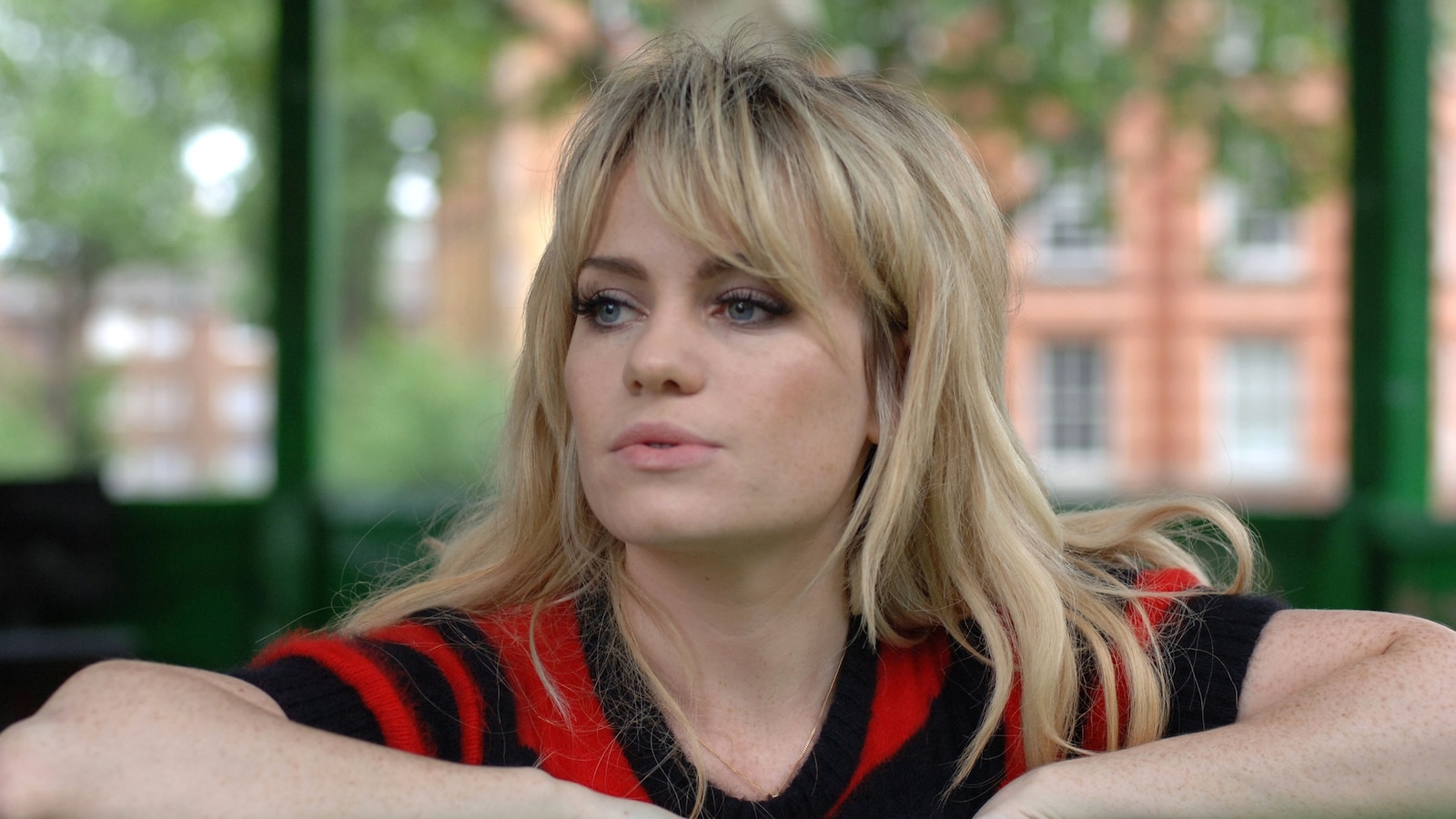
Aimée Anne Duffy, the Welsh singer who captivated the world as simply “Duffy” with her soulful 2008 Grammy-nominated hit “Mercy,” is finally ready to share the heartbreaking truth behind her decade-long disappearance from the music industry. In a forthcoming documentary set to premiere on Disney+ and Hulu, the talented artist will open up about an experience that no one should ever have to endure—alleged kidnapping, trafficking, and sexual abuse that derailed her promising career and changed her life forever. For fans who wondered why such a bright star suddenly vanished from the spotlight at the height of her fame, the answers are both devastating and inspiring. This documentary promises to be more than just a celebrity tell-all; it’s a profound story of survival, resilience, and the long journey toward healing from trauma that left deep scars on both her personal life and professional aspirations.
The announcement of this documentary has sent shockwaves through the entertainment industry, reminding us all that behind the glamorous façade of fame and success, artists are human beings who face real struggles and unimaginable challenges. Duffy’s decision to share her story publicly represents an act of tremendous courage, especially in an era when conversations about sexual violence, human trafficking, and trauma are finally receiving the attention they deserve. Her willingness to be vulnerable and honest about what happened to her could potentially help countless others who have experienced similar horrors, showing them that they are not alone and that healing, while difficult, is possible. The documentary will offer viewers an intimate look at not just the trauma itself, but also the aftermath—the years of silence, the struggle to process what happened, and the gradual path toward reclaiming her voice and her life.
The Shocking Revelation That Broke Years of Silence
In 2020, after a mysterious absence from public life that lasted an entire decade, Duffy shocked her fans and the world when she reemerged on Instagram with a post that would make headlines globally. In that vulnerable moment, she revealed for the first time that she had allegedly been kidnapped, trafficked, “raped and drugged and held captive over some days.” The post was brief but powerful, finally offering an explanation for her sudden withdrawal from an industry where she had been poised for long-term superstardom. For ten years, speculation had swirled about where she had gone and why such a talented artist with so much potential had simply vanished without explanation. Some had assumed she had retired by choice, perhaps overwhelmed by fame or pursuing other interests, but the reality was far darker than anyone could have imagined.
Following that initial Instagram revelation, Duffy expanded on her experience in a deeply personal essay published online, providing additional details about the traumatic events that had derailed her life and career. She disclosed that the nightmare began on what should have been a joyous occasion—her birthday—when she was “drugged at a restaurant,” marking the beginning of an ordeal that would haunt her for years to come. In her account, she described being taken to a foreign country, though she couldn’t remember actually boarding the plane, her memory fragmented by the drugs that had been administered to her. She recalled waking up “in the back of a travelling vehicle,” disoriented and terrified, with no clear recollection of how she eventually made it back home. The gaps in her memory, the loss of control, and the violation of her body and autonomy are all hallmarks of trafficking and sexual violence that survivors often describe.
Understanding the Long Shadow of Trauma
What makes Duffy’s story particularly important is her honesty about the aftermath of trauma—a subject that often receives less attention than the traumatic event itself. In her 2020 essay, she acknowledged that while she was “ok and safe now,” the experience had taken an enormous toll on her in the years that followed. This admission speaks to a crucial truth about surviving violence and trauma: the physical ordeal may end, but the psychological and emotional impact can last for years, sometimes decades. Survivors of trafficking and sexual violence often struggle with post-traumatic stress disorder, depression, anxiety, trust issues, and a host of other challenges that make everyday life difficult. The fact that Duffy essentially lost a decade of her life—a decade that should have been filled with musical creativity, performances, and personal growth—illustrates just how devastating the impact of such experiences can be.
In her essay, Duffy also spoke to her decision to finally share her story with the world, explaining her motivations with remarkable clarity and compassion. “I am sharing this because we are living in a hurting world and I am no longer ashamed that something deeply hurt me, anymore,” she wrote, addressing the shame that so many survivors carry despite having done nothing wrong. She continued with words that reflect both wisdom and empathy: “I believe that if you speak from the heart within you, the heart within others will answer. As dark as my story is, I do speak from my heart, for my life, and for the life of others, whom have suffered the same.” This statement reveals that her decision to come forward isn’t just about her own healing, but about creating connection and offering hope to other survivors who may be suffering in silence, feeling isolated and alone in their pain.
What to Expect from the Documentary
According to the press release from Disney+ and Hulu, the upcoming documentary will be a comprehensive “retrospective film traversing Duffy’s life, from her upbringing in Wales, through to her meteoric rise to fame and her withdrawal from public life following her unfathomable experience.” This approach promises to give viewers the full context of Duffy’s life story, not reducing her to just a victim of crime but celebrating her as a complete person—an artist, a daughter, a friend, and a survivor. The documentary will feature archival footage that captures her journey from a talented young woman in Wales to an international sensation whose voice and style drew comparisons to legendary soul singers. Additionally, the film will include interviews with Duffy’s family members, friends, and industry peers, offering multiple perspectives on her life, her disappearance, and her incredible resilience.
Sean Doyle, an executive at Disney+, emphasized in his statement that the documentary was approached “with sensitivity and care,” recognizing the delicate nature of the subject matter and the importance of telling Duffy’s story in a way that respects her experience and empowers her voice. “This film will give Duffy the chance to tell her story in her own words,” Doyle said, highlighting the fact that this is truly Duffy’s narrative to control and share as she sees fit. He added, “I’m especially in awe of Duffy — for her honesty and courage to share her story,” acknowledging the bravery required to be so vulnerable and open about such painful experiences in front of a global audience. This sentiment reflects a growing understanding in the entertainment industry about the importance of survivor-centered storytelling, where those who have experienced trauma are given the agency to shape how their stories are told.
A Director’s Perspective on Complexity and Resilience
Documentary director Gill Callan, who helmed this important project, offered her own thoughtful perspective on what drew her to Duffy’s story and what she hopes viewers will take away from the film. In her statement, Callan said, “Duffy’s life has been shaped by success and fame, but equally by pain, defiance, and an irrepressible sense of self.” This observation captures the complexity of Duffy’s journey—she is not defined solely by what happened to her, but by how she has responded to it, by her refusal to be silenced permanently, and by the strength of character that has allowed her to eventually speak her truth. Callan continued, “I’m drawn to the tension between vulnerability and confidence in her story and how a person can be deeply affected by their experiences, yet still find a powerful, expressive voice that is unmistakably hers.” This tension—between fragility and strength, between victimization and agency—is at the heart of many survivors’ experiences, and exploring it honestly could make this documentary not just compelling viewing but genuinely therapeutic for audiences who have faced similar challenges.
The documentary represents more than just another celebrity project; it’s an opportunity to have important conversations about issues that affect millions of people worldwide but are too often kept in the shadows. Human trafficking, sexual violence, and the long-term impacts of trauma are subjects that deserve sustained attention and thoughtful exploration. By lending her voice and her story to this cause, Duffy is using her platform in one of the most meaningful ways possible—to raise awareness, reduce stigma, and offer solidarity to others who have suffered. Her courage in speaking out, particularly after years of understandable silence, sets a powerful example and reminds us that healing doesn’t follow a prescribed timeline. Everyone processes trauma differently, and there is no “right” way to be a survivor. Some speak out immediately; others need years or even decades to find their voice. Duffy’s journey validates all approaches and reminds us that what matters most is that survivors are supported, believed, and empowered to share their stories when and how they choose. As this documentary prepares to reach audiences on Disney+ and Hulu, it carries the potential not just to explain one woman’s disappearance from the public eye, but to spark broader conversations about safety, justice, and the resilience of the human spirit in the face of unimaginable adversity.