

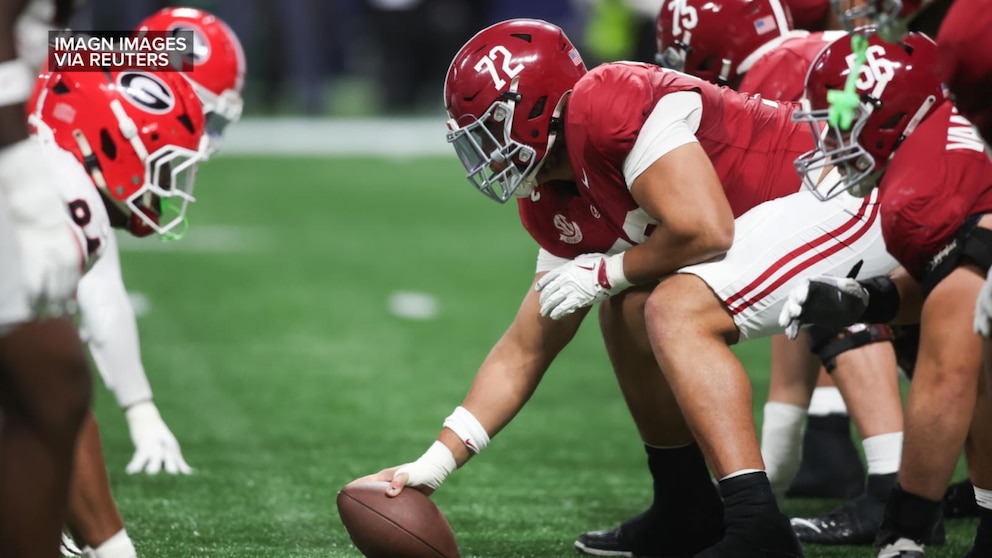

Alabama Football Player Brings Christmas Joy to Local Children
A Heartwarming Holiday Gesture That Exemplifies the True Spirit of Giving
The holiday season is often remembered not for the gifts we receive, but for the moments of genuine kindness that remind us what Christmas is truly about. This year, an Alabama football player demonstrated that the spirit of giving transcends the gridiron, bringing immeasurable joy to children in the local community during what should be the most magical time of their year. In an era where professional and collegiate athletes are frequently scrutinized for their actions off the field, this story serves as a powerful reminder that many of these young men use their platform and resources to make meaningful differences in the lives of those around them. The gesture wasn’t about publicity or recognition—it was simply about making Christmas brighter for children who might otherwise face a holiday season filled with uncertainty and disappointment rather than wonder and excitement.
When we think about college football players, particularly those competing at powerhouse programs like the University of Alabama, we often focus on their athletic achievements, statistics, and championship aspirations. However, these young men are more than just athletes; they’re students, community members, and role models who have the potential to inspire positive change beyond the football field. This particular player understood that his position came with both privilege and responsibility—the privilege of being able to help others and the responsibility to use that ability wisely. By choosing to dedicate time, energy, and resources to brightening the holidays for local children, he demonstrated maturity and compassion that speaks volumes about his character. His actions remind us that true leadership isn’t just about what happens during game time; it’s about how you impact your community when the stadium lights are off and the cameras aren’t rolling.
The Impact of Kindness on Children During the Holiday Season
For many children, Christmas represents a time of magic, wonder, and possibilities. It’s when imaginations run wild with anticipation, when the impossible seems possible, and when families come together to create lasting memories. However, not every child experiences the holidays this way. Economic hardship, family challenges, and various circumstances can transform what should be a joyful season into a stark reminder of what they lack. When a figure like a college football player—someone these children likely admire and look up to—takes time to bring them joy, the impact extends far beyond the material gifts or activities provided. It sends a powerful message that they matter, that they’re valued, and that someone in a position they might dream of reaching one day cares about their happiness and well-being.
The psychological and emotional benefits of such gestures during childhood cannot be overstated. Studies have consistently shown that positive interactions with role models can significantly influence a child’s development, self-esteem, and future aspirations. When children see someone they admire demonstrating kindness and generosity, it doesn’t just make them feel good in the moment—it teaches them valuable lessons about empathy, community responsibility, and the importance of giving back. These lessons often stay with children throughout their lives, potentially inspiring them to become community leaders and helpers in their own right as they grow older. The ripple effect of one person’s kindness can extend across generations, creating a legacy of compassion that far outlasts a single holiday season or even a football career.
Building Bridges Between Athletes and Communities
The relationship between athletic programs and their surrounding communities is complex and multifaceted. While universities and their sports teams bring economic benefits, entertainment, and a sense of pride to their regions, there can sometimes be a disconnect between the athletes and the everyday people who cheer for them. Events like this Christmas initiative help bridge that gap, humanizing the players and creating meaningful connections between the team and the community it represents. When local children have the opportunity to interact with players in a setting removed from the competitive atmosphere of game day, they see them as real people rather than just figures on a screen or field. Similarly, athletes gain perspective on the real-world impact they can have and the genuine struggles faced by people in their community.
This type of community engagement also benefits the athletes themselves in profound ways. For young men who spend countless hours training, studying playbooks, attending classes, and dealing with the intense pressure that comes with playing for a championship-caliber program, giving back can provide a healthy perspective and sense of purpose beyond athletic achievement. It reminds them that their value as human beings isn’t solely determined by their performance on the field, and it connects them to something larger than themselves. Many athletes report that community service activities are among their most meaningful experiences during their college years—not because of any recognition they receive, but because of the genuine human connections they form and the difference they can see they’re making in real time. These experiences often shape how they approach their professional careers and personal lives long after their playing days are over.
The Broader Culture of Giving at Alabama Football
While individual acts of kindness deserve recognition, they’re often reflections of a broader organizational culture. The University of Alabama football program, under its leadership, has cultivated an environment that emphasizes character development alongside athletic excellence. Players are encouraged to recognize their roles as representatives of the university and ambassadors to the community. This particular Christmas initiative, while possibly driven by one player’s personal desire to give back, likely reflects values that are reinforced throughout the program. When community service and charitable giving are integrated into a team’s culture rather than treated as obligatory check-box activities, the results are more authentic and impactful.
Many successful athletic programs have recognized that developing well-rounded individuals produces not only better representatives of the university but often better athletes as well. Players who understand teamwork, sacrifice, and working toward goals larger than themselves on the community service front often translate those lessons to the football field. The discipline required to organize charitable events, the empathy developed through interacting with people facing challenges, and the perspective gained from seeing life outside the athletic bubble all contribute to creating more mature, focused, and motivated athletes. In this way, community engagement becomes not a distraction from athletic pursuits but rather a complement to them, developing the kind of complete individuals that universities should aspire to graduate.
Lessons for All of Us in the Spirit of Christmas
The story of this Alabama football player’s Christmas kindness offers lessons that extend well beyond the sports world or even the holiday season. In our increasingly divided and often cynical society, it’s easy to become jaded or to believe that individual actions can’t make meaningful differences in the face of larger systemic problems. However, stories like this remind us that kindness, generosity, and compassion still matter tremendously and that we all have the ability to brighten someone else’s life, regardless of our circumstances or platform. While not everyone has the resources of a high-profile college athlete, we all have something to offer—whether it’s time, skills, attention, or simply presence.
The true spirit of Christmas, as this story beautifully illustrates, isn’t found in expensive gifts or elaborate celebrations. It’s found in the decision to think beyond ourselves and to use whatever blessings we have to lift others up. For those children who benefited from this football player’s generosity, the specific gifts they received will eventually be outgrown or forgotten, but the memory of someone caring enough to make their Christmas special will likely remain with them for years to come. Similarly, for the rest of us observing from the outside, this story can serve as inspiration—a reminder that the holiday season calls us to be our best selves and to remember that our greatest impact often comes not from our achievements but from our kindness. As we navigate our own holiday seasons and lives beyond them, we would all do well to ask ourselves how we might use our unique positions, resources, and abilities to bring joy to others, especially those who need it most.