

Major Gambling Ring Exposed: NBA Player and Coaches Caught in Rigged Poker Scandal
High-Stakes Deception Unveiled
In a shocking development that has sent ripples through both the sports and gambling worlds, federal prosecutors have announced charges stemming from an extensive gambling probe that ensnared an NBA player and multiple coaches. U.S. Attorney Joseph Nocella Jr. revealed the disturbing details of an elaborate scheme that would seem more at home in a Hollywood thriller than real life. The investigation uncovered a sophisticated operation where poker games were systematically rigged using cutting-edge technology, including manipulated shuffling machines and even X-ray equipment capable of reading cards face-down on the table. This revelation has raised serious questions about the integrity of underground gambling operations and the vulnerability of even wealthy, successful athletes and coaches to exploitation by organized criminal enterprises. The case highlights the dangerous intersection of professional sports, illegal gambling, and high-tech fraud, demonstrating how far criminal operators will go to separate victims from their money.
The Technology Behind the Scam
What makes this case particularly alarming is the level of technological sophistication employed by the operators of these rigged games. According to federal authorities, the gambling ring didn’t rely on simple sleight-of-hand or basic card manipulation that might be expected in typical cheating scenarios. Instead, they invested in specialized equipment designed to give them an insurmountable advantage over their victims. The rigged shuffling machines allowed the operators to control which cards would be dealt to which players, effectively predetermining the outcome of hands before they were even played. Even more shocking was the use of X-ray technology, which gave the cheaters the ability to see cards that were supposed to be hidden, providing them with perfect information about their opponents’ hands. This combination of technologies created a scenario where the victims never had a realistic chance of winning, no matter their skill level or the quality of their cards. The investment in such sophisticated equipment suggests this was a well-funded, professionally organized operation rather than a small-time cheating scheme, and it raises questions about how many victims may have been defrauded and how much money changed hands before authorities intervened.
The Victims: Athletes and Coaches Targeted
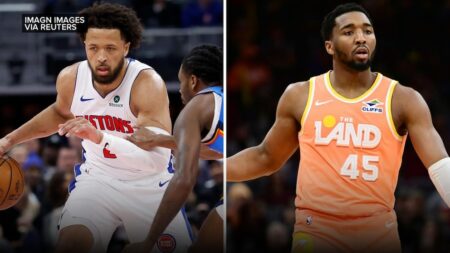
The presence of an NBA player and coaches among those connected to this investigation shines a light on why professional athletes and sports figures are often targeted by gambling operations, both legal and illegal. These individuals typically have significant disposable income, competitive personalities that make them susceptible to the allure of high-stakes games, and often limited experience with the darker side of gambling operations. Many athletes and coaches come from backgrounds where they focused intensely on their sport from a young age, sometimes lacking the life experience that might make them more cautious about underground gambling scenes. The camaraderie and competitive spirit that serves them well on the court can make them vulnerable in social gambling situations, where the atmosphere may seem friendly and trustworthy but is actually carefully constructed to exploit them. Additionally, the lifestyle of professional sports—with frequent travel, late nights, and significant downtime in hotels—can create opportunities and temptations for gambling that wouldn’t exist in more conventional careers. The involvement of sports figures in this case also raises concerns about potential conflicts of interest and whether any professional games or coaching decisions were affected, though authorities have not indicated that game-fixing was part of this particular investigation.
Legal Ramifications and Federal Involvement
The fact that this case is being prosecuted at the federal level by the U.S. Attorney’s office indicates the seriousness with which authorities are treating these offenses. Federal gambling charges typically carry significant penalties, including substantial prison time and hefty fines, reflecting the government’s commitment to combating organized gambling operations that cross state lines or involve sophisticated fraud. U.S. Attorney Joseph Nocella Jr.’s announcement of charges suggests that prosecutors have gathered substantial evidence, likely including financial records, witness testimony, surveillance footage, and possibly cooperating witnesses who have agreed to testify against the operation’s leaders. The investigation probably involved multiple federal agencies, potentially including the FBI, IRS, and other organizations with expertise in tracking financial crimes and organized criminal activity. For those charged, the consequences extend beyond potential criminal penalties—the NBA player faces likely suspension or even expulsion from the league depending on the exact nature of their involvement, while coaches could find themselves permanently blacklisted from professional sports. The league’s collective bargaining agreement and rules strictly govern player conduct related to gambling, and violations can result in severe disciplinary action. Even beyond criminal and professional consequences, those involved face the public humiliation of being connected to such a scandal, which can destroy reputations built over years of hard work and achievement.
Broader Implications for Sports and Gambling
This case emerges at a particularly significant moment in American sports and gambling culture. With the legalization of sports betting spreading across the United States following the Supreme Court’s 2018 decision to overturn the federal ban, the relationship between professional sports and gambling has been rapidly evolving. While legitimate, regulated sportsbooks are now commonplace and even advertised during game broadcasts, this case serves as a stark reminder that illegal gambling operations continue to thrive in the shadows. The rigged poker games described by prosecutors existed entirely outside the regulated framework that legal gambling operates within, meaning the victims had no protections and no recourse when they were cheated. This scandal may prompt sports leagues to intensify their education programs for players and staff about the dangers of participating in unregulated gambling activities, no matter how exclusive or trustworthy they may seem. It also highlights the ongoing challenge that law enforcement faces in addressing illegal gambling operations that specifically target wealthy individuals who may be reluctant to report their losses due to embarrassment or fear of professional consequences. The case could influence how leagues monitor their personnel’s activities and whether additional restrictions or oversight might be implemented to protect players and coaches from falling victim to similar schemes in the future.
Moving Forward: Lessons and Prevention
As this case moves through the legal system, it offers important lessons for professional athletes, coaches, and anyone else who might be tempted by the allure of high-stakes private gambling. The most obvious takeaway is that if a gambling opportunity seems too good to be true—too exclusive, too welcoming, too eager to extend credit—it very well may be a setup designed to separate participants from their money through fraud. The sophisticated technology employed in this operation demonstrates that modern cheating methods have evolved far beyond marked cards and bottom-dealing, making it virtually impossible for victims to detect they’re being defrauded until it’s too late. For sports leagues, this case underscores the importance of comprehensive education programs that go beyond simply warning about the prohibition on betting on games and instead address the full spectrum of gambling-related risks that players and coaches might encounter. Professional athletes and coaches need to understand that their wealth and status make them attractive targets for criminals, and that the competitive instincts that serve them well in their careers can make them vulnerable in gambling situations where the game is rigged from the start. The case also serves as a reminder that illegal gambling operations often have connections to other criminal enterprises, and involvement with them—even as a victim—can have devastating consequences for careers and reputations. As federal prosecutors pursue justice for the victims and accountability for those who ran this sophisticated fraud, the broader sports world must grapple with how to better protect its members from similar exploitation while maintaining the personal freedom that professional athletes and coaches rightfully expect in their private lives.