

NFL Assures Fans: No Immigration Enforcement Planned at Super Bowl
League Prioritizes Fan Safety and Experience at Championship Game
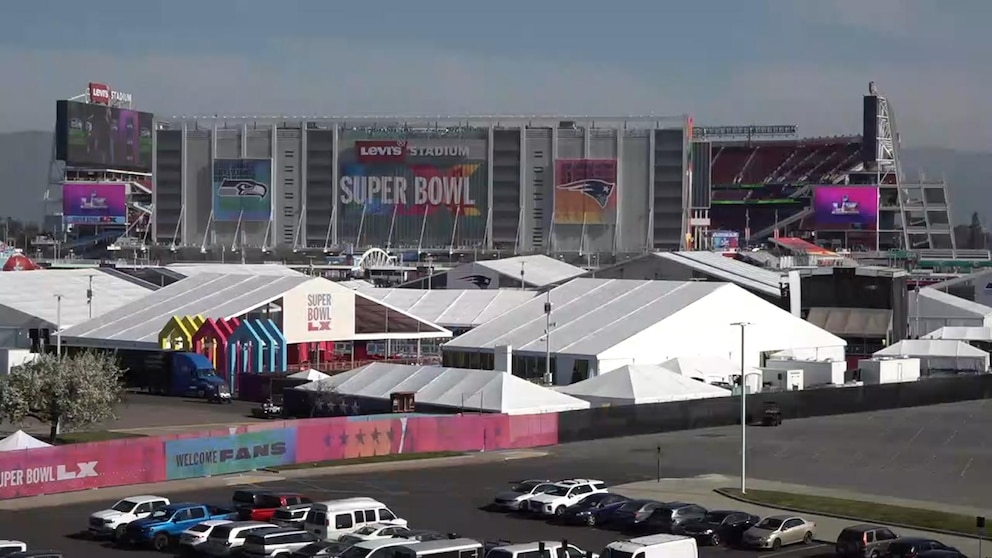
The National Football League has publicly confirmed that there are no plans for Immigration and Customs Enforcement (ICE) operations at this year’s Super Bowl, addressing growing concerns among fans and community members about attending the nation’s biggest sporting event. This announcement comes at a particularly sensitive time when immigration enforcement has intensified across the country, creating anxiety within immigrant communities and among those who support them. The NFL’s statement represents an effort to reassure the millions of fans expected to participate in Super Bowl festivities that they can attend the game and related events without fear of immigration enforcement actions. This issue has taken on heightened importance as the Super Bowl traditionally draws an incredibly diverse crowd from across the United States and around the world, with many fans traveling long distances and investing significant resources to be part of this iconic American sporting tradition. The league’s proactive communication on this matter reflects an understanding that the perception of safety—not just physical security but also freedom from law enforcement actions unrelated to event security—directly impacts fans’ willingness to attend and fully enjoy the experience.
The context surrounding this announcement cannot be understated, as communities nationwide have experienced increased immigration enforcement activities in various public settings, including at courthouses, schools, and other gathering places. These operations have created a climate of uncertainty that extends beyond undocumented immigrants to include legal residents, citizens in mixed-status families, and anyone who might be concerned about being questioned or detained based on their appearance or accent. For the NFL, an organization that has consistently promoted itself as a unifying force in American culture and has made significant efforts to expand its fan base across all demographic groups, addressing these concerns head-on was essential. The Super Bowl represents more than just a football game; it’s a massive cultural phenomenon that generates billions of dollars in economic activity, brings together people from all walks of life, and serves as a showcase for American sports culture on the global stage. Having fans afraid to attend or participate in related events would fundamentally undermine the spirit of the occasion and potentially impact the league’s reputation and bottom line.
Understanding the Scope and Significance of the Announcement
The NFL’s statement regarding immigration enforcement at the Super Bowl carries weight not only for what it says but also for what it represents in terms of the league’s values and priorities. By publicly addressing this issue, the NFL is sending a clear message that it wants all fans to feel welcome and safe at its premier event, regardless of their immigration status or background. This position aligns with the league’s broader diversity and inclusion initiatives, which have sought to make football more accessible and appealing to America’s increasingly diverse population. The economic implications of this stance are also significant, as the Super Bowl generates enormous revenue not just for the NFL but for the host city and surrounding region. Hotels, restaurants, transportation services, and countless other businesses depend on the influx of visitors that the Super Bowl brings, and anything that might discourage attendance could have ripple effects throughout the local economy. Furthermore, the NFL has invested heavily in creating a week-long festival atmosphere around the Super Bowl, with fan experiences, concerts, and community events designed to engage people who might not even attend the actual game. These activities bring the Super Bowl experience to a much broader audience and contribute to the event’s cultural significance beyond just the on-field competition.
The league’s communication strategy on this matter has been carefully calibrated to provide reassurance without creating additional controversy or appearing to take a political stance on immigration policy more broadly. NFL officials have emphasized that their focus is on creating a safe, secure, and enjoyable environment for all attendees, which includes coordinating with local law enforcement and security agencies on legitimate safety concerns while also being mindful of the current climate around immigration enforcement. This balancing act reflects the challenging position that major sports leagues find themselves in as they try to navigate increasingly polarized political and social issues. The NFL has learned from past experiences that remaining silent on controversial topics can be just as problematic as taking a clear position, as silence can be interpreted in multiple ways by different constituencies. By proactively addressing the ICE enforcement question, the league is attempting to control the narrative and prevent misinformation or fear from spreading among potential attendees who might otherwise stay away from Super Bowl events.
The Broader Impact on Communities and Fan Engagement
The implications of the NFL’s announcement extend well beyond the immediate concern of immigration enforcement at a single event, touching on broader questions about public space, community safety, and the role of major cultural institutions in protecting the rights and dignity of all people. For immigrant communities that have been living under increased stress due to heightened enforcement activities, the NFL’s statement provides at least one space where they can feel somewhat more secure in participating in American public life. This is particularly meaningful because sporting events have traditionally served as important venues for immigrants to connect with American culture, build community, and feel a sense of belonging in their adopted country. The Super Bowl, as the pinnacle of American football, represents a unique opportunity for people from diverse backgrounds to come together around a shared cultural experience, and any barrier to that participation diminishes the event’s significance as a unifying force. Families who might include members with different immigration statuses often face difficult decisions about whether to attend public events during periods of heightened enforcement, and the NFL’s assurance helps alleviate at least some of those concerns for this particular occasion.
The league’s position also reflects a growing recognition among major corporations and institutions that their actions and policies have social consequences that extend beyond their immediate business interests. In an era when consumers increasingly expect businesses to take stands on social issues and demonstrate corporate social responsibility, the NFL’s decision to address immigration enforcement concerns can be seen as part of this broader trend. However, this approach also carries risks, as any position the league takes on a politically sensitive issue like immigration will inevitably displease some segment of its fan base. The NFL has worked hard to maintain its appeal across the political spectrum, and wading into immigration-related discussions requires careful messaging to avoid alienating fans who may hold strong views on enforcement and border security. Nevertheless, the league appears to have determined that the risk of remaining silent on this issue—and potentially seeing reduced attendance or a tarnished reputation—outweighs the risk of speaking out. This calculation reflects the unique position of the Super Bowl as not just a sporting event but a massive commercial enterprise that depends on broad participation and positive publicity to maintain its status and profitability.
Collaboration Between the NFL and Law Enforcement Agencies
The NFL’s announcement regarding ICE enforcement at the Super Bowl is the result of extensive coordination and communication between league officials, local law enforcement, federal agencies, and host city representatives. This collaboration is essential for any major event of this scale, as security planning must address multiple concerns ranging from terrorism threats to crowd control to emergency medical response. Within this comprehensive security framework, the league has apparently secured assurances that immigration enforcement will not be part of the security operations at Super Bowl-related events. This distinction is important because it allows legitimate security measures to proceed while addressing the specific concern about ICE operations that might deter attendance or create fear among certain groups of fans. The security apparatus for a Super Bowl is extraordinarily complex, involving federal, state, and local agencies working in coordinated fashion to protect hundreds of thousands of people attending various events throughout the host city over the course of several days. Integrating this message about immigration enforcement into that broader security picture required negotiations and agreements at multiple levels of government and law enforcement.
The relationship between major sporting events and law enforcement has evolved significantly over the years, particularly in the post-9/11 era when security concerns have intensified and security measures have become more visible and invasive. Fans attending major events now routinely encounter metal detectors, bag checks, surveillance cameras, and heavy law enforcement presence, all of which have become normalized parts of the game-day experience. However, the question of immigration enforcement represents a different category of concern, as it’s not directly related to the safety and security of the event itself but rather to federal immigration policy and enforcement priorities. By separating immigration enforcement from event security, the NFL is making an important distinction that allows fans to feel protected from legitimate security threats while not fearing enforcement actions related to their immigration status. This approach recognizes that effective security depends on community cooperation and trust, and that people who fear detention or deportation are less likely to report suspicious activity or cooperate with security personnel, potentially making everyone less safe.
Looking Ahead: Implications for Future Events and Policy
The NFL’s handling of immigration enforcement concerns at this year’s Super Bowl may set a precedent for how the league and other major sports organizations approach similar issues in the future. As immigration policy continues to be a contentious and evolving area of American politics, sports leagues will likely face ongoing questions about their role in either facilitating or preventing enforcement actions at their events. The NFL’s decision to publicly address this issue and provide assurances about the absence of planned ICE operations could become a template for future Super Bowls and other major sporting events, creating an expectation among fans and communities that such assurances will be provided. This could lead to more formalized policies around immigration enforcement at sporting events, with leagues potentially advocating for their venues to be treated as sensitive locations where enforcement actions are generally avoided except in cases involving serious criminal activity. Such an approach would align with existing policies that designate schools, hospitals, and places of worship as sensitive locations where immigration enforcement is typically limited, recognizing that certain spaces serve important community functions that would be undermined by aggressive enforcement activities.
The broader sports world will be watching closely to see how this situation unfolds and whether the NFL’s approach proves effective in maintaining attendance and positive public perception while navigating this sensitive issue. Other leagues facing similar concerns, including Major League Baseball, the NBA, and Major League Soccer—all of which have significant fan bases in immigrant communities—may adopt similar approaches or develop their own policies in response to the climate around immigration enforcement. The economic stakes are substantial, as professional sports generate billions of dollars in revenue annually and depend on creating environments where diverse fan bases feel welcome and safe. Beyond the immediate business considerations, there are also important questions about the role of sports in American society and whether sporting events should serve as spaces that are insulated from certain types of law enforcement activity. These questions don’t have easy answers, and different stakeholders will inevitably have different perspectives based on their values and priorities regarding immigration policy, public safety, and the purpose of shared cultural experiences like major sporting events.