


Portland Trail Blazers Coach Chauncey Billups Faces Legal Proceedings
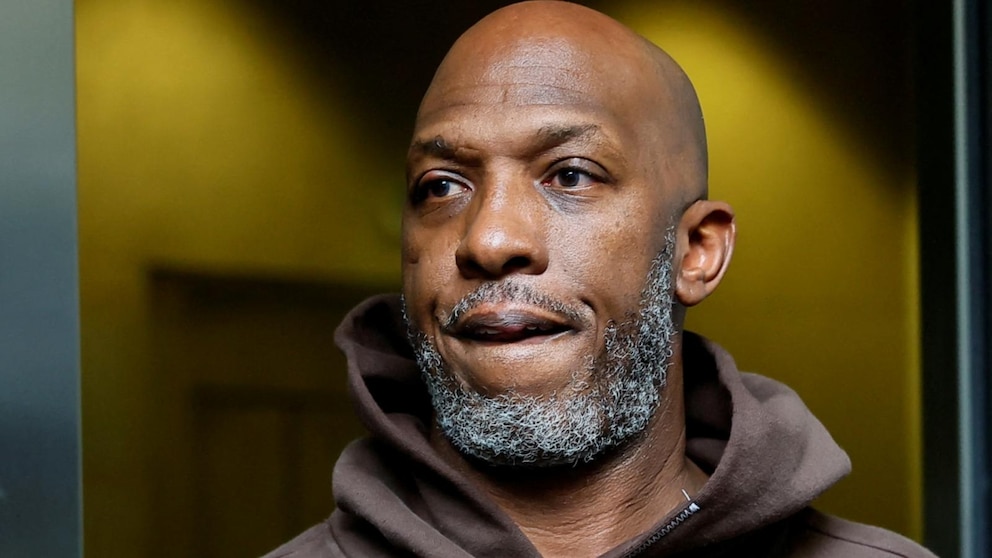
The basketball world has turned its attention to Portland, Oregon, where Trail Blazers head coach Chauncey Billups is scheduled to appear in court for legal proceedings. This development has sparked significant interest among NBA fans, sports media, and the broader basketball community, as Billups has been a prominent figure in professional basketball for decades—first as an acclaimed player and now as a head coach navigating the challenges of leading an NBA franchise. The situation highlights the complex intersection of sports, celebrity, and the legal system, reminding us that even the most successful athletes and coaches are not immune to legal matters that can arise in anyone’s life. As details emerge, many are watching closely to understand the nature of these proceedings and what implications they might have for Billups personally and professionally, as well as for the Trail Blazers organization that has invested considerable trust in his leadership.
Chauncey Billups, often remembered by his playing nickname “Mr. Big Shot,” earned legendary status during his 17-year NBA playing career, which included winning an NBA championship with the Detroit Pistons in 2004 and being named Finals MVP that same year. His journey from a talented young player to a respected veteran leader was marked by clutch performances, basketball intelligence, and a reputation for elevating his game when it mattered most. After retiring from playing, Billups transitioned into broadcasting and coaching, eventually landing the head coaching position with the Portland Trail Blazers in 2021. His hiring represented the organization’s belief in his ability to develop young talent and instill the winning mentality he demonstrated throughout his playing days. However, the path to this position wasn’t without controversy—his hiring initially drew scrutiny due to a 1997 sexual assault allegation that was settled out of court, a matter that resurfaced during the interview process and created public debate about accountability, redemption, and the standards organizations should apply when making leadership decisions.
The current court appearance adds another layer to Billups’ complex narrative, though the specific nature of the legal matter requiring his presence in court can vary widely. Court appearances for public figures can range from civil disputes, contract disagreements, and depositions to more serious criminal matters or serving as a witness in cases involving other parties. Without complete details about the specific proceedings, speculation serves little purpose, but the mere fact of a court date for someone in such a high-profile position naturally generates questions and concerns. For the Trail Blazers organization, this situation presents a delicate challenge in managing public relations, supporting their coach while also maintaining the professional standards expected of an NBA franchise. The organization must balance loyalty to their hired leader with the responsibilities they have to their players, staff, fans, and community partners who look to the franchise as a pillar of Portland’s sports culture.
From a broader perspective, this situation reflects the ongoing conversation in professional sports about how organizations should handle legal and ethical issues involving their key personnel. The NBA and other professional sports leagues have increasingly faced pressure to establish clear policies and demonstrate accountability when coaches, players, or executives face legal troubles or ethical questions. These conversations have intensified in recent years as society has become more conscious of issues related to justice, equality, and the behavior expected from those in positions of influence and power. Sports figures occupy a unique space in American culture—they are simultaneously entertainers, role models, business leaders, and public figures whose actions carry weight far beyond the basketball court. When someone like Billups faces a court appearance, it becomes more than just a personal legal matter; it becomes a referendum on values, second chances, and the standards we collectively hold for those we celebrate and compensate handsomely for their talents.
For the Trail Blazers players and organization, the timing and nature of this legal matter could potentially create distractions during what is already a challenging period for the franchise. The team has been in a rebuilding phase, working to develop young talent and establish a new identity after years built around star guard Damian Lillard, who was eventually traded to Milwaukee. Billups has been tasked with the difficult job of maintaining a competitive culture while integrating younger players and managing the expectations of a fanbase accustomed to playoff basketball. Any uncertainty surrounding the head coach’s status or availability can affect team chemistry, preparation, and performance, as players naturally look to their coach for stability and direction. The organization will need to communicate clearly with stakeholders about how they are handling the situation while respecting both the legal process and Billups’ privacy rights. This delicate balance requires thoughtful leadership from the front office and ownership, who must make decisions that protect both the organization’s interests and uphold fair treatment for all involved.
Moving forward, the outcome of these court proceedings will likely influence not only Billups’ immediate future with the Trail Blazers but also the broader conversation about accountability and opportunity in professional sports. Regardless of the specific details or resolution, this moment serves as a reminder that the lives of public figures are subject to scrutiny that extends well beyond their professional accomplishments. For Chauncey Billups, a man who has experienced tremendous success, faced previous controversies, and worked to establish himself as a coach and leader, this court appearance represents another test of resilience and character. For the Portland Trail Blazers, it’s an opportunity to demonstrate organizational values and decision-making under pressure. And for the basketball community at large, it’s another chapter in the ongoing discussion about what we expect from those who lead our favorite teams and represent our cities. As the legal process unfolds, fair-minded observers will wait for facts rather than rush to judgment, recognizing that everyone deserves due process while also acknowledging that those in leadership positions are rightfully held to high standards both on and off the court.