



Previewing the Las Vegas Grand Prix
The Spectacle Returns to Sin City
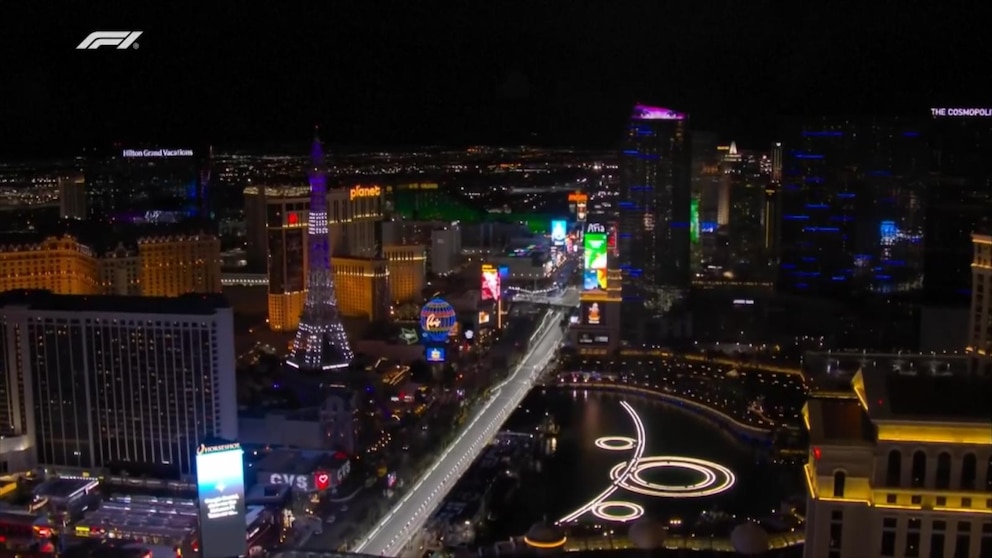
The Las Vegas Grand Prix represents one of Formula 1’s most ambitious ventures into the American market, transforming the iconic Strip into a high-speed racing circuit under the dazzling lights of the world’s entertainment capital. This isn’t just another race on the calendar; it’s a statement of intent from Formula 1, showcasing the sport’s commitment to spectacular venues and unforgettable experiences. The circuit winds its way past some of the most recognizable landmarks in American culture – the towering casinos, the famous fountains, and the neon-soaked streets that have served as backdrops to countless movies and television shows. What makes this event particularly special is its Saturday night timing, creating a unique atmosphere where the race becomes part of the city’s legendary nightlife rather than competing with it. The combination of speed, glamour, and the electric Vegas atmosphere creates something that goes beyond traditional motorsport, becoming an event that captures the imagination of both die-hard racing fans and casual observers alike. For Formula 1, Las Vegas represents the perfect marriage of sport and spectacle, a chance to demonstrate that racing can be both technically demanding and wildly entertaining.
The Technical Challenge of a Unique Circuit
From a purely racing perspective, the Las Vegas circuit presents drivers and teams with a fascinating technical puzzle that differs significantly from traditional Grand Prix venues. The track features an extremely long straight – one of the longest in Formula 1 – where cars will reach breathtaking speeds exceeding 210 mph before having to brake hard for tight corners that demand precision and nerve. This creates a unique challenge for engineers who must find the perfect balance between maximizing straight-line speed and maintaining enough downforce to handle the corners effectively. The track surface itself adds another layer of complexity, as public roads present different grip characteristics compared to purpose-built racing circuits, with bumps, surface changes, and painted lines all potentially affecting car behavior. The cool desert night temperatures also play a crucial role, making tire management and finding the optimal operating window for the car’s components absolutely critical to success. Teams have spent countless hours in simulators trying to prepare, but as always with street circuits, there’s no substitute for actual track time. The drivers will need to push hard while remaining cautious of the unforgiving concrete walls that line much of the circuit, knowing that one mistake could end their race instantly. This combination of high speeds, technical corners, and challenging conditions means that setup will be crucial, and the teams that adapt quickest to the unique demands of Vegas could find themselves with a significant advantage.
Championship Implications and Team Battles
While the constructors’ and drivers’ championships may already be decided by the time the cars take to the Las Vegas streets, there’s still plenty to race for up and down the grid. The battle for second place in the drivers’ championship often provides some of the most intense racing of the season, with pride, prestige, and significant financial implications on the line. Multiple drivers from different teams typically find themselves fighting for these positions, leading to wheel-to-wheel racing without the pressure of fighting for the ultimate prize. The midfield battle is where things get really interesting, with several teams separated by just a handful of points as they fight for crucial championship positions that determine everything from prize money distribution to garage locations and media attention in the following season. These battles can be absolutely fierce because the difference between finishing fifth and eighth in the constructors’ championship can mean millions of dollars for the teams involved – money that directly impacts their ability to develop their cars and compete effectively. For drivers hoping to secure their futures or impress potential employers for the following season, strong performances in these high-profile races are absolutely invaluable. Las Vegas, with its massive global television audience and celebrity attendance, offers the perfect stage for drivers to make statements and teams to demonstrate their capabilities. Even without championship tension at the very front, the racing throughout the field should provide plenty of drama and excitement.
The Vegas Experience Beyond the Racing
What truly sets the Las Vegas Grand Prix apart from other races on the calendar is the complete experience surrounding the event itself. Formula 1 has gone all-in on creating a multi-day festival of speed and entertainment that transforms the entire city into a celebration of motorsport and luxury. The paddock club experiences are among the most exclusive and expensive in all of sports, offering guests unprecedented access to the teams, drivers, and the inner workings of Formula 1, all while enjoying world-class hospitality and entertainment. Major hotels along the Strip have created special packages and viewing areas, with some rooms and suites offering balcony views of the track that come with eye-watering price tags that reflect the uniqueness of the experience. The celebrity attendance at Las Vegas is expected to be off the charts, with Hollywood A-listers, sports stars, and business moguls all wanting to be part of what’s being billed as one of the biggest sporting events of the year. The city’s famous clubs and restaurants are hosting special events throughout race weekend, creating a party atmosphere that extends far beyond the track itself. For Formula 1, this is exactly the kind of crossover appeal they’ve been seeking in the American market – an event that transcends sport and becomes a cultural moment. The images of Formula 1 cars racing past the Bellagio fountains and beneath the neon lights will be broadcast to hundreds of millions of viewers worldwide, providing exactly the kind of spectacular visuals that help Formula 1 market itself as the pinnacle of motorsport and entertainment.
Challenges and Controversies
Despite all the glamour and excitement, the Las Vegas Grand Prix hasn’t been without its challenges and controversies. The construction and preparation of the circuit caused significant disruption to the city, with road closures, traffic diversions, and noise complaints from both residents and businesses who felt the inconvenience outweighed any potential benefits. Local businesses, particularly those forced to close or deal with reduced access during construction and the race weekend itself, have voiced frustrations about the financial impact and the feeling that they weren’t adequately consulted or compensated. The first year’s event faced particular scrutiny when practice sessions revealed issues with the track surface, leading to delays and criticism that proper preparation hadn’t been completed. The ticket pricing for the inaugural event was also controversial, with many fans priced out of attending what was being billed as a race for the people of Las Vegas. Formula 1 and the race organizers have worked to address these concerns, adjusting ticket prices, improving communication with local stakeholders, and ensuring the infrastructure is properly maintained and tested. There’s also been ongoing debate about whether Formula 1 is abandoning its traditional racing heritage in favor of spectacle and entertainment, with some purists uncomfortable with the sport’s increasingly glamorous American direction. However, supporters argue that Formula 1 has always been about pushing boundaries and creating unforgettable moments, and that Las Vegas represents the sport’s ability to evolve while maintaining its core competitive appeal. As the event matures, finding the right balance between sporting integrity, local impact, and spectacular entertainment will be crucial to its long-term success.
Looking Ahead to Race Day
As race day approaches, anticipation continues to build for what promises to be one of the most visually stunning and closely watched races of the entire season. The weather should be cool and clear, perfect conditions for both racing and for the hundreds of thousands of fans who will pack the grandstands and viewing areas around the circuit. Teams will have studied every piece of data available, but the unique characteristics of Las Vegas mean that adaptability during the race weekend will be just as important as preparation beforehand. Strategy will play a crucial role, with the long straight and hard braking zones potentially opening up opportunities for different approaches to tire management and pit stop timing. The drivers who can find the limit quickly and maintain that edge throughout the race will be the ones standing on the podium as the Vegas lights shine down on them. For the fans, whether attending in person or watching from around the world, the Las Vegas Grand Prix offers something truly special – a reminder of why we love motorsport, combining raw speed, technical excellence, strategic thinking, and the kind of glamorous setting that makes Formula 1 unique among racing series. As the engines fire up and the cars take to the track under the lights of the Strip, Las Vegas will once again prove that it knows how to put on a show, and Formula 1 will demonstrate why it remains the pinnacle of motorsport entertainment. The gambling capital of the world provides the perfect backdrop for the high-stakes drama of Grand Prix racing, where fortunes can change in an instant and only the very best will prevail.