


Tragic Loss: Four U.S. Service Members Killed in KC-135 Refueling Aircraft Crash in Iraq
The Devastating Incident
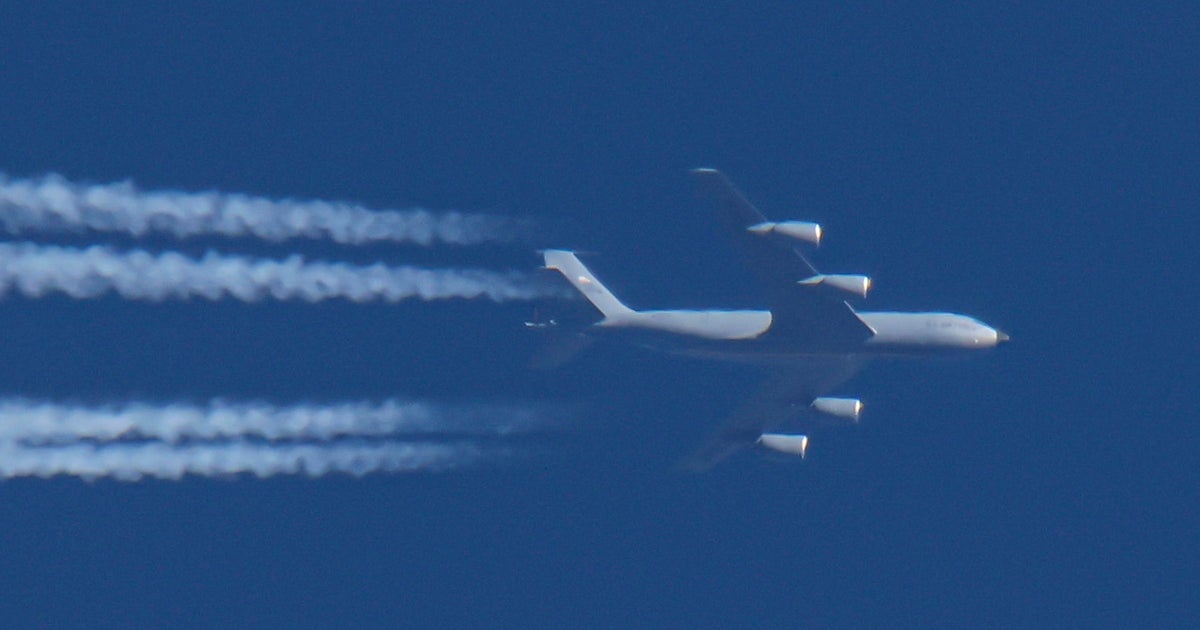
The United States military community is mourning the loss of four service members who died when their aerial refueling aircraft crashed in western Iraq on Thursday afternoon. U.S. Central Command (CENTCOM) confirmed the tragedy early Friday morning, revealing that a KC-135 Stratotanker went down around 2 p.m. Eastern Time on March 12th near the Iraqi-Jordanian border, specifically in the area of Turaibil. The aircraft had been actively participating in operations against Iran when disaster struck. Of the six crew members aboard the refueling plane, four have been confirmed dead, while rescue efforts continue for the remaining two. In keeping with military protocol, CENTCOM announced that the names of those killed would be withheld for at least 24 hours to ensure their families could be properly notified before any public disclosure. The military emphasized that initial investigations indicate the crash was not caused by hostile fire from enemy forces or friendly fire incidents, though the exact circumstances remain under thorough investigation.
Possible Mid-Air Collision Under Investigation
According to U.S. officials who spoke with CBS News, investigators are exploring the possibility that the crash may have involved a mid-air collision, though this theory has not been confirmed. The situation becomes more complex with reports that a second KC-135 Stratotanker was also damaged during the same incident but managed to land safely on Thursday. However, by Friday morning, military officials had not released additional details about the second aircraft or the extent of its damage. Flight tracking data from FlightRadar24, a service that monitors aircraft movements worldwide, showed that a KC-135 tanker declared an emergency before making a landing in Tel Aviv, Israel, on Thursday evening. This information adds another layer to the unfolding investigation, as military officials work to piece together exactly what happened during what CENTCOM described as a single incident involving both aircraft. The complexity of aerial refueling operations, especially during wartime conditions, means that investigators will need to carefully examine multiple factors including weather conditions, mechanical issues, crew communications, and the positioning of both aircraft at the time of the incident.
Rising Casualties in the Iran Conflict
This heartbreaking crash has significantly increased the death toll of U.S. service members since the United States and Israel launched military operations against Iran on February 28th. With these four confirmed deaths, the total number of American forces killed in this conflict has now reached eleven. The casualties include six service members who were killed in an Iranian strike on Kuwait and one who died in Saudi Arabia. These numbers represent real families devastated by loss, communities mourning their local heroes, and military units grieving their fallen comrades. Each death reminds us of the very human cost of military operations and the sacrifices that men and women in uniform make when they answer their nation’s call. The conflict with Iran has proven dangerous on multiple fronts, with American personnel facing threats not only from direct enemy action but also from the inherent risks of complex military operations conducted in challenging environments. The loss of these service members serves as a sobering reminder that even when deaths don’t result from enemy fire, military operations remain extraordinarily dangerous undertakings.
Pattern of Aircraft Incidents in Operation Epic Fury
Troublingly, this KC-135 crash marks the fourth publicly acknowledged U.S. aircraft incident connected to Operation Epic Fury, the codename for the military operations against Iran. Just days earlier, on Monday, the military confirmed another serious incident involving three F-15E Strike Eagles that were shot down in a friendly-fire incident involving Kuwait. Fortunately, in that case, all six crew members managed to safely eject from their damaged aircraft. The frequency of these incidents—four in less than two weeks—raises questions about the operational challenges facing U.S. forces in the region. Aerial refueling missions are inherently complex, requiring precise coordination between aircraft and highly skilled pilots. The KC-135 Stratotanker, a military version of the Boeing 707, has been the backbone of the U.S. Air Force’s refueling fleet for decades, but these aircraft are aging, and the demanding operational tempo of the Iran conflict may be pushing both equipment and personnel to their limits. Each incident, regardless of cause, requires thorough investigation to prevent future tragedies and ensure that American forces have the support and equipment they need to operate safely.
The Dangerous Mission of Recovery
In the aftermath of the crash, U.S. forces immediately launched what military personnel call a TRAP mission—Tactical Recovery of Aircraft and Personnel. Each branch of the armed services has its own specific terminology for these operations, but they all share the same urgent purpose: to rapidly respond when an aircraft goes down. These recovery missions are themselves extremely dangerous undertakings, as American forces must race against time to secure the crash site before enemy forces can reach it. The primary goals of these missions are to retrieve pilots or crew members, who may be injured, unconscious, or deceased, and to recover or destroy any sensitive equipment that remains intact in the wreckage. Modern military aircraft contain classified technology, encrypted communications equipment, and sophisticated weapons systems that adversaries would love to capture and analyze. Recovery teams must navigate to the crash site, often in hostile territory, secure the area against potential enemy attack, provide medical care to survivors, recover the fallen, and ensure that no sensitive materials fall into enemy hands—all while potentially under fire or threat of attack.
Remembering the Human Cost
As the investigation continues and rescue efforts persist for the two remaining crew members, this tragedy reminds us that behind every military operation statistic are real people—sons and daughters, husbands and wives, fathers and mothers who put on their uniforms each day knowing they might not come home. The KC-135 crews who conduct aerial refueling missions perform an absolutely essential but often overlooked role in military operations. Without their successful missions, fighter jets and bombers would have severely limited range and capability. These refueling specialists enable the power projection that allows the United States to conduct operations halfway around the world, yet their work receives far less attention than that of fighter pilots or special operations forces. The six crew members aboard that KC-135 on Thursday were professionals doing their jobs, supporting the broader mission, when tragedy struck. As their families receive the devastating news, as their units prepare memorial services, and as the military community comes together to support those who are grieving, we’re reminded once again of the extraordinary price that military service sometimes demands. While investigations will determine what went wrong and how similar incidents might be prevented, no findings can restore these lives or ease the pain of those who loved them. Their sacrifice will not be forgotten.