

University of Michigan Coach Sherrone Moore: A Fall From Grace Amid Serious Allegations
The Shocking Turn of Events
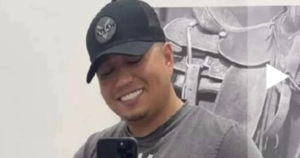
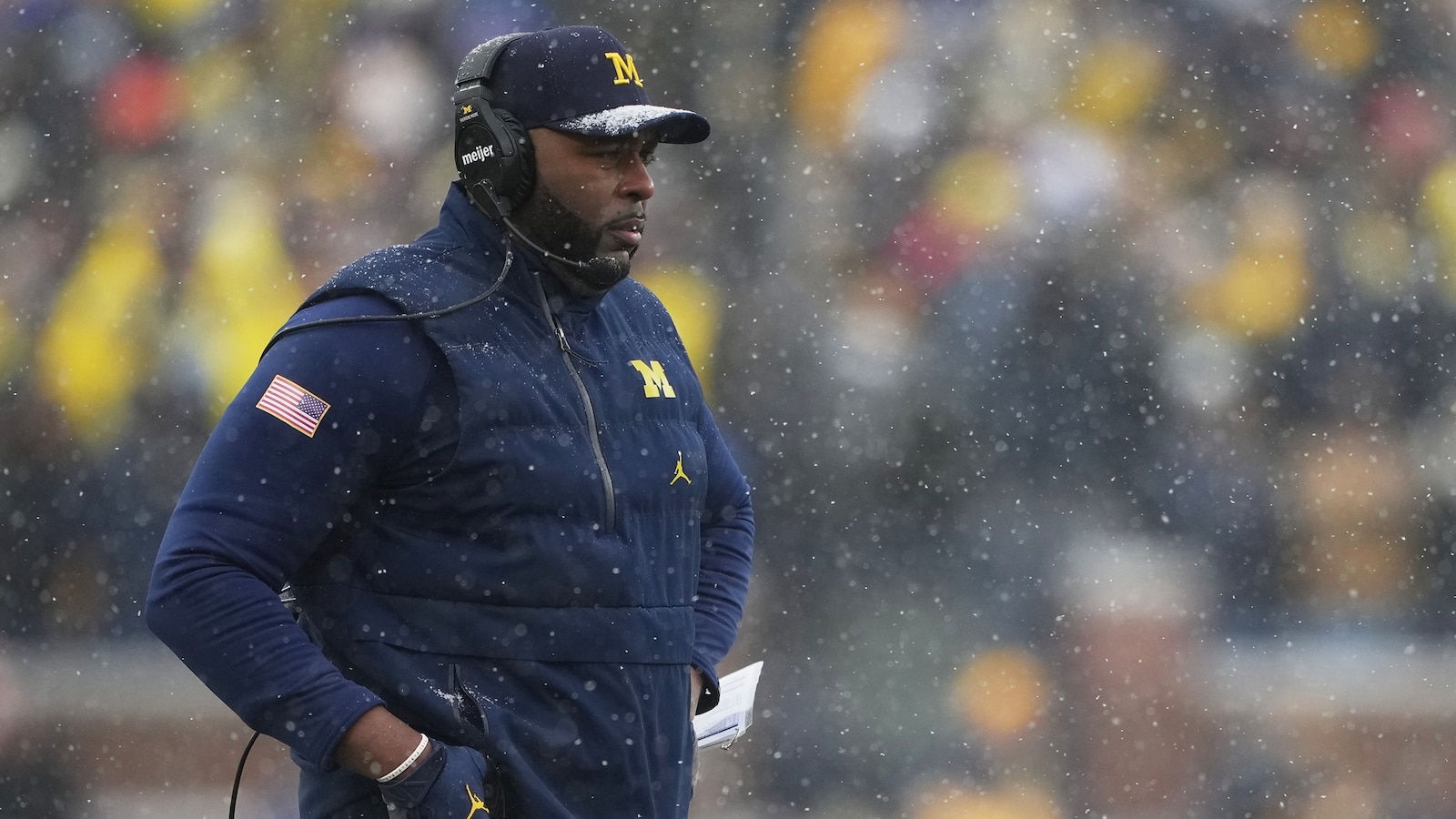
In a stunning development that has sent shockwaves through the college football world, University of Michigan head football coach Sherrone Moore found himself behind bars just hours after being terminated from his position. The 39-year-old coach was detained by police on Wednesday afternoon, the same day the university announced his firing over what they described as an “inappropriate relationship” with a staff member. According to court records and police statements, officers from the Pittsfield Township Police Department were called to a residence in Michigan around 4:10 p.m. local time to investigate an alleged assault. While authorities initially did not release the name of the individual taken into custody, online jail records from Washtenaw County confirmed that Moore was being held as of Thursday morning, awaiting potential charges. The situation represents a dramatic fall for a coach who had made history as the first African American head coach of one of college football’s most prestigious programs.
The Dual Investigation and Legal Uncertainty
The circumstances surrounding Moore’s detention have become increasingly complex as both law enforcement and university officials conduct separate investigations. ESPN reported that Moore is considered a suspect in the assault investigation and was expected to appear in court for arraignment on Friday. However, the Washtenaw County Prosecutor’s Office released a statement indicating that charging decisions would not be made immediately. “The matter involving Mr. Moore remains under active investigation by law enforcement, and as a result, we do not expect charging decisions or an arraignment today,” the prosecutor’s office stated, adding that they would provide updates once a decision on charges is made. This ongoing investigation has left many questions unanswered about what exactly transpired and what charges, if any, Moore might ultimately face. The legal uncertainty has only added to the confusion and concern surrounding this high-profile case, as the college football community and Michigan fans alike wait for more information about the allegations against their now-former coach.
The University’s Swift Response and Zero-Tolerance Stance
The University of Michigan moved quickly to distance itself from Moore following the results of an internal investigation. Athletic Director Warde Manuel announced Wednesday that the university had found “credible evidence” that Moore had engaged in an “inappropriate relationship” with a staff member, constituting what officials called a clear violation of university policy. Manuel emphasized that the institution “maintains zero tolerance for such behavior,” signaling that the decision to terminate Moore was made with conviction and certainty. University President Domenico Grasso reinforced this message in a statement released Thursday, declaring unequivocally that “there is absolutely no tolerance for this conduct at the University of Michigan. None.” Grasso also indicated that the university’s investigation would continue and encouraged anyone with relevant information to come forward and contact the school. The strong language from both Manuel and Grasso reflects the seriousness with which the university is treating these allegations and demonstrates their commitment to maintaining institutional standards and protecting their community, regardless of an individual’s position or status within the athletic program.
A Historic Appointment Cut Short
Moore’s tenure as head coach of the Michigan Wolverines, while brief, carried significant historical weight. As the first African American to hold the position of head coach in the program’s storied history, Moore’s appointment represented a milestone for diversity in college football leadership. According to his biography on the university’s athletic department website, Moore is a married father of three daughters, which makes the allegations of inappropriate conduct all the more surprising to those who knew him professionally. Before being elevated to head coach, Moore had served as the team’s offensive coordinator, demonstrating his deep knowledge of the program and earning the trust of university leadership. He spent two seasons as Michigan’s head coach after replacing Jim Harbaugh, who had led the team to considerable success before departing for the NFL. During his time at the helm, Moore compiled an 18-8 overall record, showing competence and promise as a leader. However, whatever professional accomplishments he achieved have now been overshadowed by the circumstances of his departure and the serious allegations he faces.
The Team Moves Forward Under New Leadership
Despite the turmoil in the coaching ranks, the Michigan football program must continue forward with important upcoming commitments. The university has named Biff Poggi as interim coach to guide the team through their immediate future, including their upcoming bowl game appearance. The Wolverines are scheduled to face the University of Texas Longhorns in the Cheez-It Citrus Bowl on New Year’s Eve in Orlando, Florida, a significant postseason opportunity that the players have earned through their performance during the regular season. This season, Michigan posted a 9-3 record and finished 18th in the College Football Playoff rankings, demonstrating that despite not reaching the playoff itself, the team remained competitive in one of college football’s toughest conferences. For the players, coaching staff, and support personnel who remain with the program, this period represents an enormous challenge as they attempt to maintain focus and prepare for a major bowl game while processing the shocking news about their former leader. The transition to Poggi’s leadership will need to happen quickly and smoothly to give the team the best chance of success in their bowl appearance.
Broader Implications and the Path Forward
The situation involving Sherrone Moore raises important questions about accountability, workplace conduct, and the responsibilities of those in positions of power within collegiate athletics. College football coaches wield enormous influence within their universities and communities, serving as role models for student-athletes and representing their institutions on a national stage. When someone in such a position is accused of misconduct, the repercussions extend far beyond the individual, affecting players, staff members, alumni, and fans who have invested emotionally and financially in the program. The University of Michigan’s swift and decisive response demonstrates an institutional commitment to addressing misconduct allegations seriously, regardless of the potential impact on the athletic program’s success or reputation. As the legal process unfolds and more information potentially becomes available, this case will likely serve as another example in the ongoing conversation about power dynamics, appropriate workplace relationships, and the standards to which university employees—particularly those in high-profile positions—should be held. For Moore personally, the coming days and weeks will be critical as he faces both the legal consequences of the assault investigation and the professional fallout from his termination. Whatever the ultimate resolution, this incident serves as a sobering reminder that professional success and historical significance cannot shield anyone from accountability for their personal conduct and decisions.