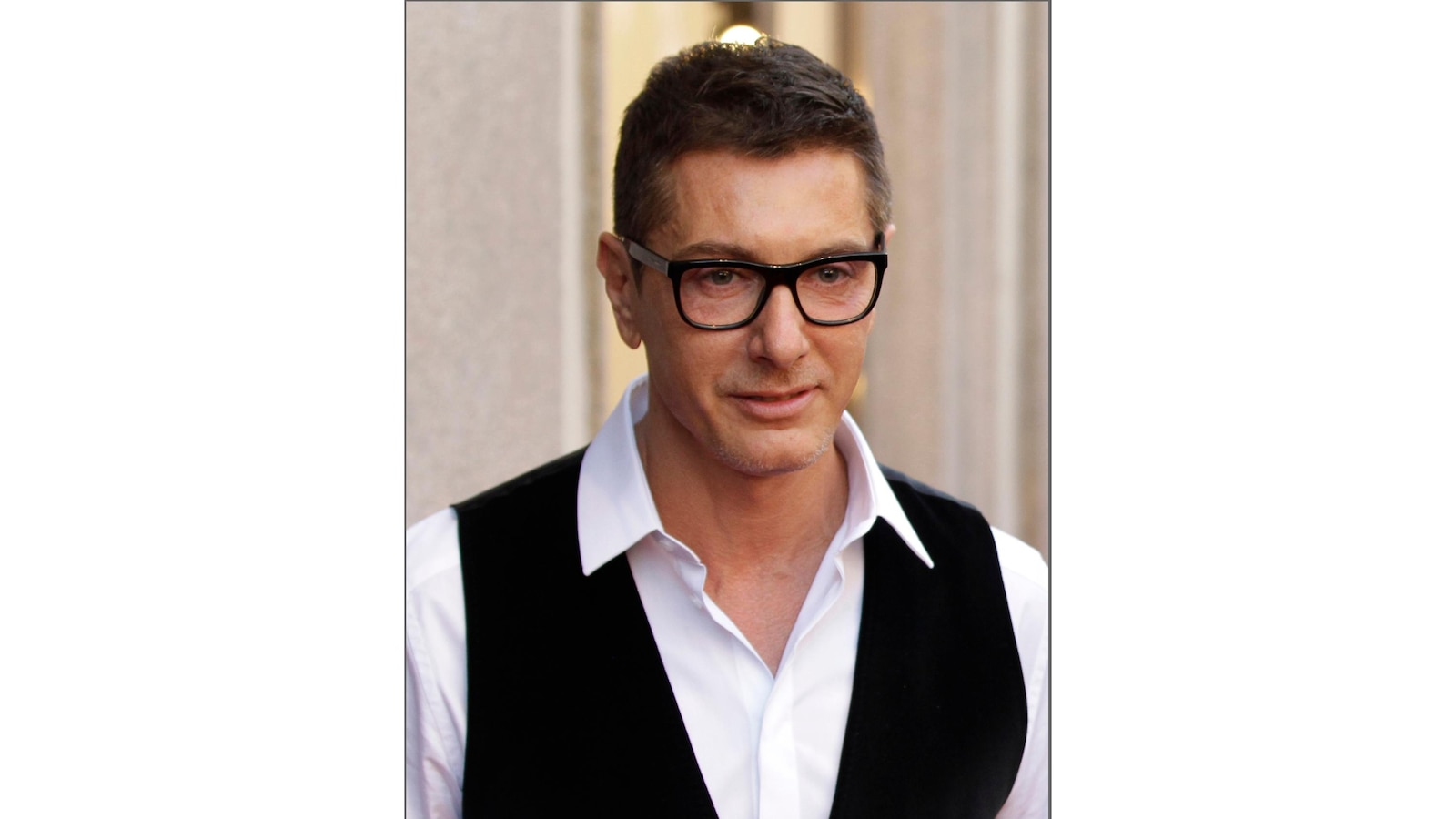

Stefano Gabbana Steps Back: A New Chapter for the Iconic Italian Fashion House
A Strategic Leadership Transition
In a significant shift for one of Italy’s most recognizable fashion brands, Stefano Gabbana has officially stepped down from his position as chairman of Dolce & Gabbana, the luxury fashion empire he co-founded with Domenico Dolce over four decades ago. The change, which took effect on January 1st, marks what the company describes as “a natural evolution of its organizational structure and governance.” While Gabbana is relinquishing his administrative and oversight responsibilities, he will continue to work in his creative capacity, ensuring that the distinctive aesthetic vision that has defined the brand since its inception remains intact. Alfonso Dolce, the brother of co-founder Domenico Dolce, has been appointed as the new chairman, signaling a shift toward family consolidation at the leadership level. This transition comes at a pivotal moment for the fashion house as it navigates the ever-changing landscape of luxury fashion and addresses various business challenges that have emerged in recent years.
Financial Pressures and Strategic Realignment
The leadership change arrives amid reports of significant financial maneuvering behind the scenes at Dolce & Gabbana. According to Bloomberg, which first broke the story about Gabbana’s resignation, the 63-year-old designer has been exploring options to exit his 40% stake in the company he helped build from the ground up. The fashion house is currently working with lenders to secure up to 150 million euros in new funding as part of a comprehensive refinancing package for its existing 450 million euros (approximately $525.7 million) in debt. To address these financial obligations, the company is reportedly considering multiple strategic options, including the potential sale of real estate assets and the renewal of various licensing agreements that could generate additional revenue streams. While Dolce & Gabbana declined to comment specifically on the debt situation, citing ongoing discussions with banking partners, these financial moves suggest the brand is actively working to strengthen its balance sheet and position itself for long-term stability in an increasingly competitive luxury market where consolidation and financial discipline have become paramount.
The Creative Legacy Continues
Despite the administrative changes, Stefano Gabbana remains deeply connected to the brand’s creative output, as evidenced by his presence at the most recent runway show in February. The event was a star-studded affair featuring Madonna, the designers’ longtime muse and friend, seated prominently in the front row. Both Gabbana and Dolce personally greeted the pop icon at her seat following the show and escorted her backstage, demonstrating the personal relationships that have helped define the brand’s cultural cachet over the years. The fashion house’s continued relevance in popular culture was further underscored when Meryl Streep and Stanley Tucci attended a Dolce & Gabbana runway show in character during filming for the highly anticipated sequel to “The Devil Wears Prada” last September. These high-profile moments reflect the enduring appeal of the brand and its ability to maintain connections with entertainment industry royalty, a marketing advantage that has helped Dolce & Gabbana maintain its position in the luxury fashion hierarchy even as consumer preferences and market dynamics have evolved significantly since the brand’s heyday.
From Sicilian Roots to Global Fashion Power
Dolce & Gabbana made its Milan runway debut in 1985, introducing a distinctive aesthetic rooted in Sicilian craftsmanship that has remained a consistent touchstone throughout the brand’s evolution. The partnership between Domenico Dolce and Stefano Gabbana extended beyond business into their personal lives for many years, though the two designers ended their romantic relationship approximately 20 years ago. Remarkably, they have continued to collaborate closely on the creative side of the business, maintaining the unified vision that made the brand a household name. The label exploded in popularity during the 1990s with provocative designs including cone bras, corseted silhouettes, and impeccably tailored black dresses that became wardrobe staples for fashion-forward women worldwide. Drawing heavily on Dolce’s Sicilian heritage, the designers developed a signature style characterized by sexy, sheer materials and netting in menswear collections, alongside vibrant floral and fruit prints and statement jewelry featuring oversized crosses and other bold religious imagery. This distinctive Mediterranean-inspired aesthetic set Dolce & Gabbana apart from competitors and helped establish the brand’s identity as one that celebrated sensuality, family values, and Italian cultural pride in a way that resonated with consumers seeking authenticity and craftsmanship in luxury fashion.
Expansion and Brand Diversification
Over the decades, Dolce & Gabbana has successfully expanded far beyond its original ready-to-wear collections to build a comprehensive luxury lifestyle brand. The company has launched successful ventures into fragrances, which have become significant revenue drivers and introduced the brand to consumers at various price points. The expansion also includes home goods, watches, eyewear, and numerous other fashion-adjacent categories that allow the brand to touch multiple aspects of consumers’ lives. This diversification strategy, common among major luxury houses, has helped insulate the company from fluctuations in any single product category while extending the brand’s reach and influence. The licensing agreements for these various product lines represent valuable assets that the company is now considering renegotiating or renewing as part of its broader financial strategy. These expansion efforts have transformed Dolce & Gabbana from a pure fashion house into a multifaceted luxury brand with global recognition, though this growth has also brought increased complexity to the business operations and greater financial obligations that now require careful management and strategic decision-making at the highest levels of the organization.
Navigating Past Controversies and Future Challenges
Industry analysts are watching the leadership transition closely for signals about the brand’s future direction, particularly in light of past controversies that have impacted its reputation in key markets. Luca Solca, a luxury sector analyst at the Bernstein global equity research firm, noted that he doesn’t anticipate major changes at the fashion house as long as Gabbana remains involved in the creative process. However, Solca also pointed to a significant crisis that erupted in 2018 when Dolce & Gabbana was forced to cancel a major show in Shanghai following intense backlash over campaign videos that were widely criticized as culturally insensitive to Chinese people. Stefano Gabbana’s social media responses during that controversy were identified as particularly problematic and exacerbated the situation, leading to a dramatic fallout in one of the world’s most important luxury markets. Solca suggested that if Gabbana were to eventually leave the company entirely, it could be presented as a belated form of atonement for that incident, potentially opening doors for the brand’s rehabilitation in China and other Asian markets where the controversy caused lasting damage. As Dolce & Gabbana moves forward under new administrative leadership while maintaining its creative foundations, the company faces the challenge of honoring its distinctive heritage while adapting to contemporary expectations around cultural sensitivity, financial sustainability, and the rapidly evolving demands of global luxury consumers who increasingly expect brands to demonstrate not just creative excellence but also social responsibility and business acumen.