
Taylor Swift Faces Legal Battle Over Album Title “The Life of a Showgirl”
The Lawsuit That’s Shaking Up the Music Industry
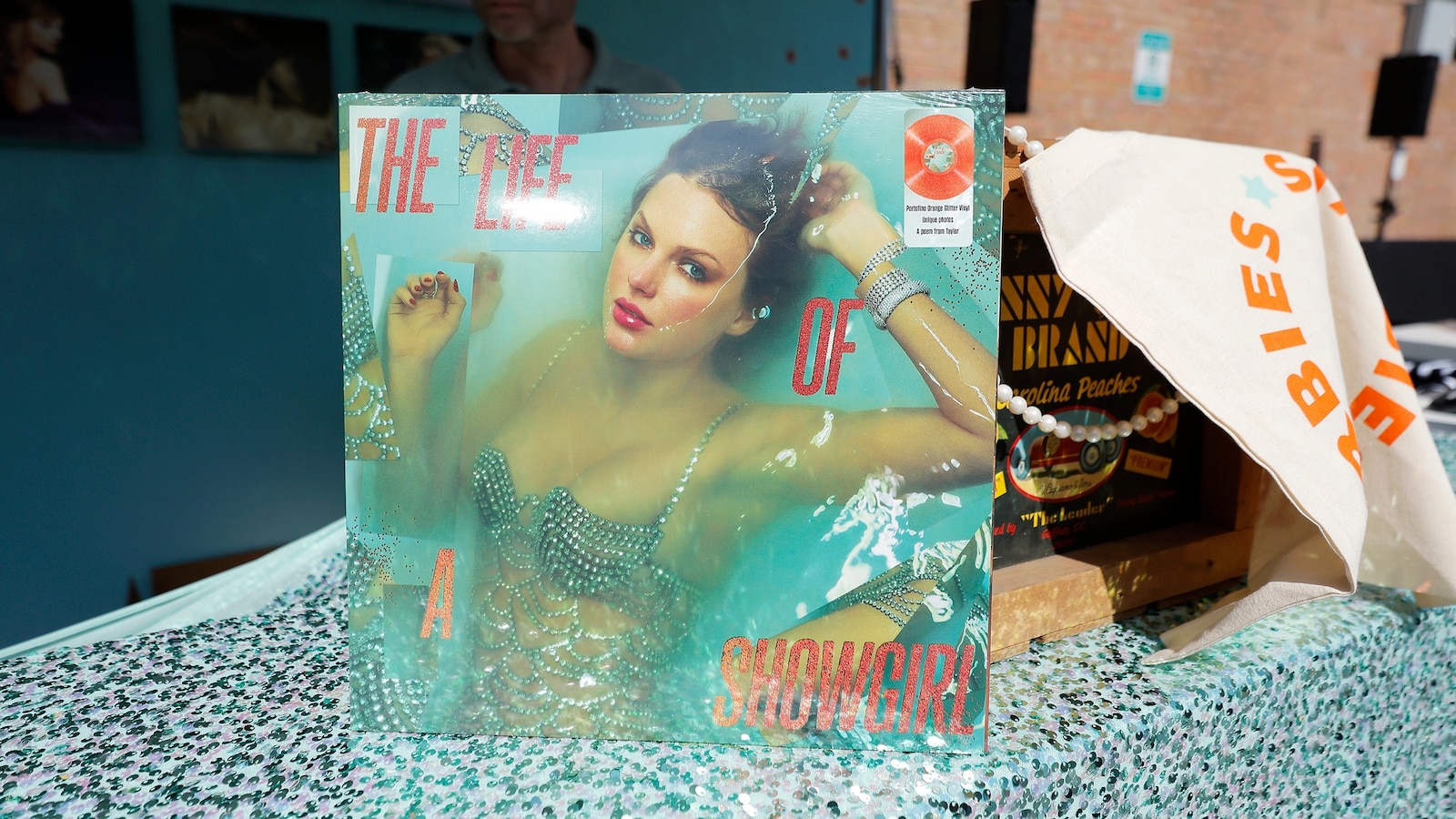
Taylor Swift, one of the world’s biggest pop stars, is finding herself in hot water nearly six months after releasing her twelfth studio album. The singer is being sued by Las Vegas entertainer Maren Flagg, who performs under the stage name Maren Wade, for alleged trademark infringement. The lawsuit, filed on March 30th, targets not just Swift herself, but also heavyweights Universal Music Group and Bravado International Group Merchandising Services Inc. At the heart of the controversy is Swift’s album “The Life of a Showgirl,” which dropped in October 2025, and its alleged similarity to Flagg’s long-established brand “Confessions of a Showgirl.” This isn’t just a simple disagreement between two entertainers—it’s a complex legal battle that raises important questions about intellectual property, trademark protection, and how smaller artists can protect their creative work when it seems to overlap with that of mega-stars.
What Maren Flagg Has Built Over the Years
To understand why this lawsuit matters, we need to look at what Maren Flagg has created with her “Confessions of a Showgirl” brand. This isn’t just a catchy phrase she came up with yesterday—it’s a comprehensive entertainment property that she’s spent over a decade developing and nurturing. Her trademarked brand encompasses multiple elements: a live performance show that entertains audiences, a touring production that travels to different venues, and even a regular newspaper column in Las Vegas Weekly where she shares insights into the showgirl lifestyle. Flagg has invested countless hours and resources into building recognition for her brand in the competitive Las Vegas entertainment scene, where standing out is no easy feat. According to the lawsuit, Flagg “spent years cultivating” her audience, establishing herself as a distinctive voice in the showgirl entertainment space. The complaint emphasizes that she took the proper legal steps to protect her work by registering her trademark, which is exactly what creators are supposed to do when they want to safeguard their intellectual property.
The Heart of the Legal Complaint
The lawsuit’s central claim is that Swift’s album title shares too many similarities with Flagg’s established trademark, creating what lawyers call a “confusingly similar” situation. According to the complaint filed in court, both phrases share “the same structure, the same dominant phrase, and the same overall commercial impression.” The legal documents allege that Swift’s team “adopted the designation ‘The Life of a Showgirl’ and began using it in commerce” in 2025, despite these obvious parallels to Flagg’s protected brand. Within just weeks of the album’s announcement, the phrase was everywhere—printed on merchandise, stamped onto product labels and tags, included in packaging, and used as a brand identifier across numerous retail channels. The complaint stresses that all of this commercial activity was “directed at the same audience Plaintiff had spent years cultivating,” meaning that Swift’s massive marketing machine was potentially reaching the exact same demographic that Flagg had worked so hard to build relationships with over the past decade.
The Trademark Office’s Red Flag
Perhaps the most compelling element of Flagg’s lawsuit is the allegation that Swift’s team attempted to register “The Life of a Showgirl” as a trademark but was turned down by the U.S. Patent and Trademark Office. According to the complaint, the Office refused the application “on the ground that Defendants’ designation is confusingly similar to Plaintiff’s established mark.” This is significant because it means that an official government body that specializes in trademark law looked at both phrases and determined they were too similar to coexist without causing confusion in the marketplace. The lawsuit claims that this refusal should have served as a clear warning to Swift’s team that they were treading on protected territory. “Defendants were therefore placed on actual notice that their chosen designation was likely to be confused with a mark that already belonged to someone else,” the complaint states. Despite this official rejection and warning, Swift’s team allegedly “continued using it anyway, expanding it across a coordinated commercial program and distributing it through retail channels reaching millions of consumers.” Adding insult to injury, according to the lawsuit, Flagg “was never contacted” by anyone from Swift’s team to discuss the situation or seek permission.
What Flagg Wants and What Her Lawyer Says
In her lawsuit, Maren Flagg is asking the court for several things. First and foremost, she wants an injunction—a legal order that would force Swift to stop using the phrase “The Life of a Showgirl” in connection with the album and any related merchandise or promotional materials. She’s also seeking profits that Swift and the other defendants have made from goods using that phrase, which could potentially amount to a substantial sum given Swift’s enormous commercial success and devoted fan base. Additionally, Flagg wants compensation for her legal fees and has requested a jury trial, meaning regular citizens rather than just a judge would decide the outcome of this case. Flagg’s attorney released a statement that frames the lawsuit in terms of fairness and protecting the rights of all creators, regardless of their fame level. “Maren spent more than a decade building ‘Confessions of a Showgirl.’ She registered it. She earned it,” the statement reads. The lawyer continued: “When Taylor Swift’s team applied to register ‘The Life of a Showgirl,’ the Trademark Office refused, finding Swift’s mark confusingly similar. We have great respect for Swift’s talent and success, but trademark law exists to ensure that creators at all levels can protect what they’ve built. That’s what this case is about.”
The Controversy and Swift’s Silent Response
As news of the lawsuit spread, Swift’s representatives did not immediately comment on the allegations, leaving fans and observers to draw their own conclusions. However, Swift’s devoted fanbase—known for their fierce loyalty and investigative skills—quickly jumped into action on social media. Fans began digging through Maren Flagg’s social media history and discovered what they believe undermines her case. Multiple posts dating back to September 2025 appear to show Flagg using Swift’s music in her content and including hashtags like #TS12 and #thelifeofashowgirl, seemingly expressing excitement about Swift’s upcoming album release. These findings have led some to question Flagg’s motivations and whether she’s genuinely concerned about trademark infringement or perhaps hoping to capitalize on Swift’s fame. The timing is also interesting—the lawsuit comes just as Swift released a new music video on Tuesday for her song “Elizabeth Taylor,” which appears on the contested album. The video features clips from the legendary actress’s old films and paparazzi footage, and was made available on Spotify and Apple Music. Whether this case will significantly impact Swift’s album or force changes to its branding remains to be seen, but it’s certainly sparked a conversation about how trademark law applies in the music industry and whether smaller artists can successfully stand up to entertainment giants when they believe their intellectual property rights have been violated.