
Major Recall Alert: Millions of Trader Joe’s Frozen Fried Rice Products Pulled from Shelves Due to Glass Contamination
Understanding the Scope of the Recall
In a significant food safety development that has caught the attention of consumers nationwide, millions of frozen fried rice packages are being pulled from stores due to potential glass contamination. Ajinomoto Foods North America, Inc., working in coordination with the U.S. Department of Agriculture’s Food Safety and Inspection Service (FSIS), announced this voluntary recall on Thursday after receiving customer complaints about finding pieces of glass in their food. The recall affects an enormous quantity of product – approximately 3,370,530 pounds of frozen chicken fried rice – distributed under both the popular Trader Joe’s brand name and the Ajinomoto brand. This massive recall underscores the seriousness with which food manufacturers and retailers treat potential safety hazards, even when no injuries have been reported. The discovery of foreign materials like glass in food products is considered a critical safety issue because of the potential for serious injury if consumed, prompting swift action from both the manufacturer and regulatory agencies.
Which Products Are Affected
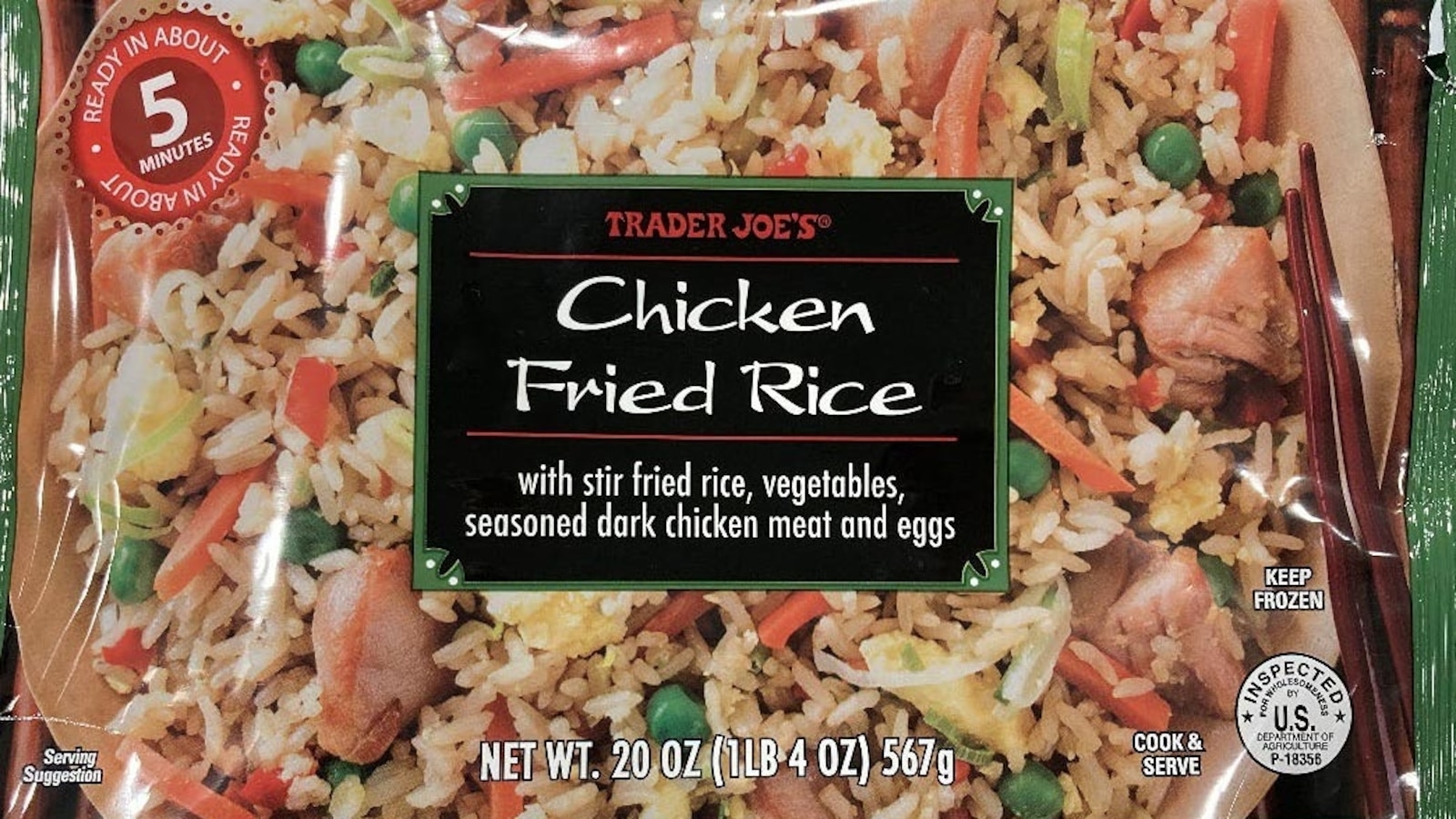
For consumers wondering whether their freezer contains affected products, the recall specifically targets Trader Joe’s branded “Chicken Fried Rice with stir fried rice, vegetables, seasoned dark chicken meat and eggs” sold in 20-ounce packages. These products were manufactured during a specific window of time, between September 8, 2025, and November 17, 2025, and carry corresponding “best by” dates ranging from September 8, 2026, through November 17, 2026. The recalled items were distributed to Trader Joe’s stores throughout the United States, making this a nationwide concern for the grocery chain’s loyal customer base. Additionally, Ajinomoto-branded products labeled as “YAKITORI CHICKEN WITH JAPANESE-STYLE FRIED RICE” are also part of this recall, though these were exclusively exported to Canada. The Ajinomoto products came in larger 1.53-kilogram cardboard packages containing six frozen bags each, with “best by” dates ranging from September 9, 2026, through November 12, 2026. All affected products, regardless of brand, can be identified by the establishment number P-18356 located inside the USDA mark of inspection on the packaging.
What Triggered This Recall
The recall was initiated following customer complaints about finding glass fragments in the fried rice products. When consumers reported discovering foreign material in their food, it set off a chain of events that led to this comprehensive recall action. Food safety officials take such complaints extremely seriously because glass contamination poses significant health risks, including potential cuts to the mouth, throat, or digestive system if consumed. Although Ajinomoto Foods North America emphasized that the recall was conducted “out of an abundance of caution” and that “there have been no injuries or adverse reactions to date,” the company and regulatory agencies weren’t willing to take any chances with consumer safety. This proactive approach reflects modern food safety protocols, where even a small number of complaints can trigger large-scale recalls to prevent potential harm. The cooperation between Ajinomoto, Trader Joe’s, and the FSIS demonstrates the multi-layered safety systems in place to protect consumers when potential contamination issues arise in the food supply chain.
What Consumers Should Do Right Now
If you have purchased Trader Joe’s frozen chicken fried rice recently, the most important thing to do is check your freezer immediately. Look for the 20-ounce packages with the specific “best by” dates mentioned in the recall (September 8, 2026, through November 17, 2026) and verify the establishment number P-18356 on the USDA inspection mark. The FSIS has issued clear guidance: do not eat these products under any circumstances. Instead, consumers have two options – either throw the products away completely or return them to the place of purchase for a full refund. Trader Joe’s has made the return process straightforward, stating in their customer communication that anyone with affected products should bring them to any Trader Joe’s location for a complete refund, no questions asked. The grocery chain has also urged customers to simply dispose of the products if that’s more convenient, emphasizing that safety is the primary concern rather than the financial aspect. This consumer-friendly approach helps ensure that potentially contaminated products are removed from homes as quickly as possible.
How to Get More Information and Support
Both companies involved in the recall have established multiple channels for consumers seeking additional information or wanting to report concerns. For general food safety information about the recall, consumers can visit the FSIS website or call the USDA Meat and Poultry Hotline at 1-888-674-6854, where knowledgeable staff can answer questions about the recall and provide guidance on food safety matters. Those who prefer to contact Ajinomoto Foods North America directly can reach the company’s customer service team at (855) 742-5011 during business hours or send an email to customercare@ajinomotofoods.com for written correspondence and documentation of their concerns. Trader Joe’s has similarly made itself available to worried customers through its Customer Relations department, which can be reached by phone at (626) 599-3817 or through the company’s website via their “product feedback” page for email inquiries. These multiple contact points ensure that consumers can get answers through whatever communication method they find most convenient, whether they prefer speaking with someone directly or corresponding in writing.
The Bigger Picture on Food Safety
This recall serves as an important reminder of the complex systems in place to monitor food safety in the United States and the challenges that even major manufacturers and retailers face in maintaining quality control. While finding foreign materials in food is understandably alarming for consumers, the swift response to this issue demonstrates that safety protocols are working as designed. The voluntary nature of this recall shows that companies are willing to take significant financial hits and face potential reputation damage in order to prioritize consumer safety. Ajinomoto’s statement that they are “committed to maintaining the highest safety standards” and continue to “work closely with the USDA” reflects the ongoing collaboration between private industry and government regulators that forms the backbone of food safety in America. For consumers, incidents like this highlight the importance of staying informed about food recalls, checking products in your home when recalls are announced, and not hesitating to contact manufacturers or retailers with safety concerns. While no one wants to find that something they purchased has been recalled, the robust reporting and recall system means that potential problems are identified and addressed before widespread harm occurs, protecting millions of consumers from possible injury.