
Trader Joe’s Expands Frozen Food Recall Over Glass Contamination Concerns
Major Recall Affects Millions of Popular Frozen Products
If you’re a Trader Joe’s shopper who loves keeping their freezer stocked with convenient fried rice and frozen dumplings, you’ll want to check your products right away. The popular grocery chain has announced an expanded voluntary recall affecting millions of packages of their frozen Asian-inspired foods due to potential glass contamination. The recall, which initially started with Chicken Fried Rice nearly two weeks ago, has now grown to include several additional products that many families rely on for quick, tasty meals. Ajinomoto Foods North America, Inc., the Oregon-based manufacturer behind these products, is working alongside the USDA Food Safety and Inspection Service to ensure customer safety. While no injuries or adverse reactions have been reported so far, the company is taking this precautionary step seriously to prevent any potential harm to consumers.
Which Products Are Affected and What You Need to Know
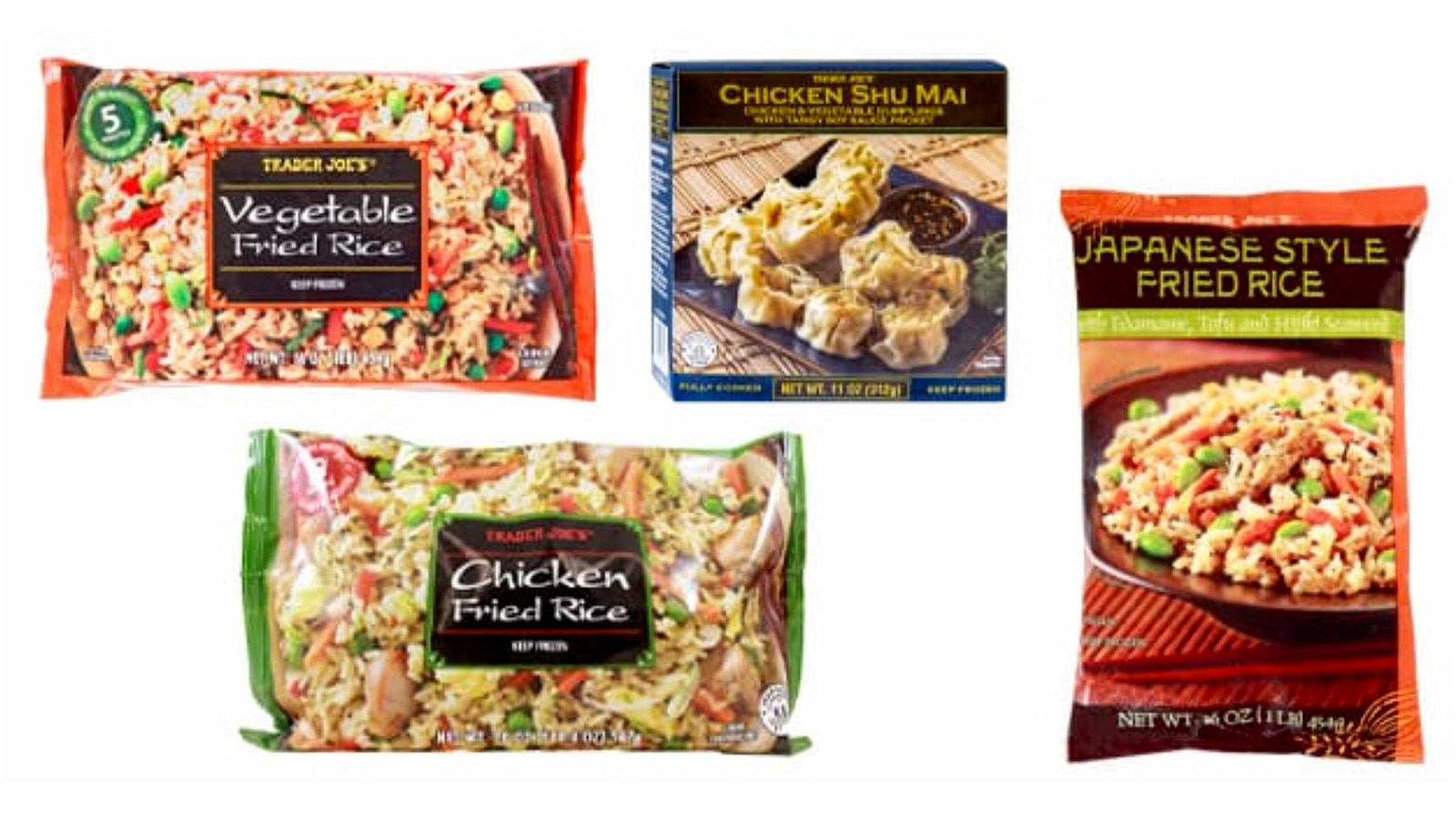
The expanded recall now covers four specific Trader Joe’s branded products, each with particular “best by” dates that determine whether your packages are affected. First up is the Chicken Fried Rice, with best by dates ranging from March 4, 2026, through February 10, 2027. The Vegetable Fried Rice is also included, with dates from February 28, 2026, through November 19, 2026. Japanese Style Fried Rice follows with dates from February 28, 2026, through November 14, 2026. Lastly, the Chicken Shu Mai dumplings are part of this recall with best by dates spanning from March 13, 2026, through October 23, 2026. This isn’t a small issue affecting just a few packages either—the original recall involved over 3 million pounds of just the Chicken Fried Rice alone. These ready-to-eat frozen meals, which typically contain a mix of stir-fried rice, vegetables, and protein, have become pantry staples for busy families and individuals looking for convenient meal options.
The Recall Extends Beyond Trader Joe’s
What makes this situation particularly significant is that the recall doesn’t stop at Trader Joe’s products. Ajinomoto Foods North America, Inc. manufactures frozen foods for several other popular brands, and the recall has expanded to include an additional approximately 33.6 million pounds of frozen ready-to-eat products. This means shoppers at other major retailers need to be vigilant too. The recall now includes products sold under the Ajinomoto, Kroger, Ling Ling, and Tai Pei brand names. These are all well-known brands that stock the frozen food aisles of supermarkets across the country, meaning the potential impact reaches far beyond just Trader Joe’s customers. For anyone who regularly purchases frozen Asian-style foods from any of these brands, it’s crucial to check your freezer and verify whether your products are included in the recall. The USDA Food Safety and Inspection Service website provides a comprehensive list of all recalled products along with product labels to help consumers identify affected items easily.
Company Response and Safety Measures
Ajinomoto Foods North America, Inc. has been forthright about their approach to this situation, emphasizing that the recall expansion was initiated “out of an abundance of caution.” In their statement to ABC News, the company stressed their commitment to maintaining the highest safety standards and their ongoing cooperation with the USDA throughout this process. The fact that there have been no reported injuries or adverse reactions to date is certainly good news, but the company isn’t taking any chances when it comes to consumer safety. This proactive approach, while inconvenient for both the manufacturer and consumers, demonstrates the importance placed on food safety in the modern food industry. The voluntary nature of the recall shows that companies are willing to take significant financial hits to ensure their products don’t pose any risk to the public. Glass contamination in food products is taken extremely seriously because of the potential for serious injury if consumed, making this cautious approach not just advisable but necessary.
What Customers Should Do Right Now
If you’ve purchased any of these products, Trader Joe’s and the manufacturer are making it easy for you to take action. The most important thing is this: do not eat or use any of the recalled products. Even if your packages look perfectly fine and you haven’t noticed anything unusual, it’s not worth the risk. Trader Joe’s has outlined two simple options for handling recalled products. First, you can simply throw away the affected items and bring your receipt to any Trader Joe’s location for a full refund. Second, if you’ve discarded your receipt or prefer to handle it differently, you can still return the products themselves to any store for a full refund—no questions asked, no receipt required. For those who want more information or have questions about the recall, Trader Joe’s Customer Relations is available by phone at 626-599-3817 during business hours (Monday through Friday, 6 a.m. to 5 p.m. Pacific Time). Additionally, consumers can contact the USDA Meat and Poultry Hotline at 1-888-674-6854 for official recall information and food safety guidance.
The Bigger Picture on Food Safety
This recall serves as an important reminder about the complexities of our modern food system and the vigilance required to keep our food safe. While it’s certainly inconvenient and perhaps concerning to learn that products we’ve been eating might contain foreign materials, the recall process itself is actually the system working as it should. Food manufacturers, retailers, and regulatory agencies like the USDA work together to identify potential problems and address them before they result in injuries. The fact that this recall was voluntary and expanded proactively shows that companies are monitoring their production processes and taking responsibility when something goes wrong. For consumers, this situation highlights the importance of staying informed about food recalls and actually checking your pantry and freezer when they’re announced. It’s also worth holding onto receipts for frozen foods, at least until you’ve consumed them, to make returns easier if necessary. In the meantime, affected shoppers can rest assured that Trader Joe’s and Ajinomoto Foods are working to resolve the issue, and plenty of other safe dinner options remain available. If you’re unsure whether your frozen foods are affected, take a few minutes to check the USDA website or contact the companies directly—your safety is worth that small investment of time.