


Pentagon Prepares Detailed Plans for Potential Ground Operations in Iran
Military Readiness Takes Center Stage Amid Rising Tensions
The Pentagon has been working behind closed doors on comprehensive plans to deploy American ground forces into Iran, according to multiple sources familiar with the sensitive discussions. Senior military commanders have submitted detailed requests to prepare for this possibility as President Trump carefully considers his options in the ongoing conflict involving the United States, Israel, and Iran. These preparations represent a significant escalation in military readiness, even as the administration maintains public ambiguity about its intentions. The sources, who spoke on condition of anonymity because they weren’t authorized to discuss the matter publicly, emphasized that while planning is underway, no final decision has been made about whether American boots will actually touch Iranian soil.
When President Trump was directly asked about the possibility of deploying ground troops, his response was characteristically enigmatic. Speaking to reporters in the Oval Office on Thursday, he initially stated, “No, I’m not putting troops anywhere,” but then quickly qualified his statement by adding, “If I were, I certainly wouldn’t tell you.” This carefully calibrated response reflects the delicate balance the administration is trying to maintain – neither committing to military action nor ruling it out entirely. The comment captures the essence of strategic ambiguity that has long been a feature of American military policy, where keeping adversaries guessing can itself be a form of deterrence. White House press secretary Karoline Leavitt later clarified the situation, explaining that it’s standard procedure for the Pentagon to develop contingency plans that give the Commander in Chief maximum flexibility. She stressed that these preparations don’t necessarily indicate that the President has made any final decision, emphasizing that Trump stated he is not currently planning to send ground troops anywhere “at this time.”
Comprehensive Planning Extends to Detention Scenarios
The military’s preparation efforts go far beyond simple troop deployment logistics. Sources have revealed that military officials have held specific meetings to address what would happen if American forces captured Iranian soldiers or paramilitary operatives during ground operations. These discussions have covered detailed questions about detention procedures, including where captured Iranians would be held and under what legal framework they would be processed. This level of detailed planning suggests that military commanders are taking the possibility of ground operations seriously and want to ensure that if the order comes, forces will be ready to handle every aspect of such a complex mission. The consideration of detention facilities and procedures indicates that planners are envisioning scenarios that could involve sustained operations rather than brief incursions, as capturing and holding enemy combatants requires significant infrastructure and legal preparation.
Major Troop Movements Already Underway
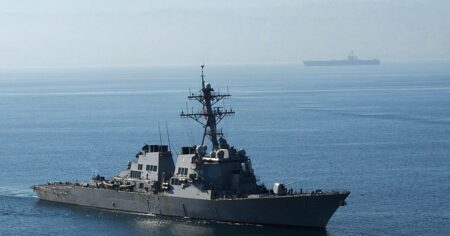
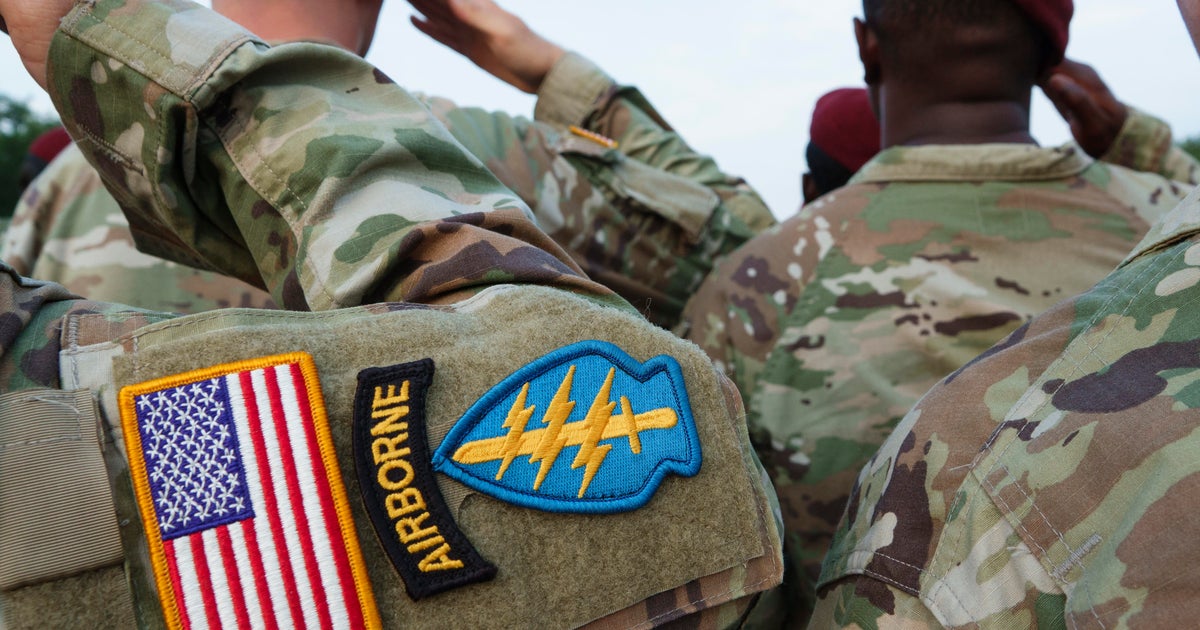
While the administration remains publicly noncommittal about ground operations inside Iran, significant military assets are already being repositioned throughout the Middle East region. The Pentagon is preparing to deploy elements of the Army’s elite 82nd Airborne Division, a rapid deployment force specifically designed for quick response to global crises. Additionally, planning involves the Army’s Global Response Force and the Marine Corps’ Marine Expeditionary Unit, representing some of America’s most capable and quickly deployable military forces. These aren’t just theoretical preparations – actual troop movements are happening right now. Earlier this week, three warships carrying approximately 2,200 Marines from a Marine Expeditionary Unit departed from California, heading toward the Middle East. This represents the second such Marine unit dispatched since the current conflict began, and military officials estimate it will take several weeks before these forces are fully positioned in the region. The first Marine unit, which was redirected from the Pacific, is still making its way to its designated position.
These troop movements represent a substantial commitment of American military power to the region. Marine Expeditionary Units are self-contained forces capable of conducting a wide range of operations, from humanitarian assistance to full-scale combat operations. They bring with them not just infantry forces but also aviation assets, logistics capabilities, and command and control infrastructure. The deployment of multiple such units, along with the potential involvement of the 82nd Airborne Division, signals that the Pentagon is building up the capability to conduct significant ground operations if ordered. The 82nd Airborne, in particular, has a storied history as America’s “fire brigade,” ready to deploy anywhere in the world within 18 hours of notification. Their involvement in planning suggests that speed and surprise could be important factors in any potential operation.
Strategic Implications and Regional Dynamics
The Pentagon’s preparation of ground operation plans represents a significant moment in the long-standing tension between the United States and Iran. For decades, American policy toward Iran has relied primarily on economic sanctions, diplomatic pressure, and the threat of air and naval power. The serious consideration of ground operations marks a potential shift in this approach, one that carries enormous strategic implications. Any American ground presence in Iran would represent a dramatic escalation that could reshape the entire Middle East security landscape. It would likely trigger responses not just from Iran but from its various proxy forces throughout the region, potentially expanding the conflict beyond anyone’s ability to control it.
The timing of these preparations is also significant, coming as they do during a period of heightened tension following various incidents between Iranian forces and American allies. The coordination between the United States and Israel in the current conflict adds another layer of complexity to the situation. Israel has its own security concerns regarding Iran’s nuclear program and support for groups like Hezbollah, and American military action could be designed to support broader Israeli strategic objectives. However, the deployment of American ground forces into Iran would be an American decision with American consequences, including the potential for American casualties and a long-term military commitment in yet another Middle Eastern country.
Looking Ahead: Uncertainty and Preparation
As this situation continues to develop, the American public and the international community are left to interpret signals and read between the lines of official statements. The gap between what’s being prepared and what’s being publicly acknowledged reflects the complex nature of modern military decision-making, where detailed planning must occur well before any political decision is made. Military forces cannot simply be ordered into action on a moment’s notice; they require careful preparation, positioning, and support infrastructure. The fact that such detailed planning is underway – including considerations for detention facilities and the movement of thousands of troops – suggests that ground operations in Iran are being taken seriously as a genuine option, even if no final decision has been made.
For military families, service members, and the American public, this news raises important questions about the potential costs and consequences of another ground war in the Middle East. The experiences of Iraq and Afghanistan loom large in the national memory, reminding us that military operations rarely go exactly as planned and that the human and financial costs can be enormous. At the same time, national security officials must balance these concerns against their assessment of threats to American interests and allies. As President Trump weighs his options, the Pentagon continues its work, ensuring that whatever decision is ultimately made, American forces will be ready to execute it professionally and effectively. The coming weeks and months will reveal whether these preparations remain contingency plans or become operational reality, but either way, they represent a significant moment in American foreign policy and military strategy.