


President Trump Criticizes U.S. Olympic Skier Over Comments About Representing America
A Controversial Exchange Between the President and Team USA
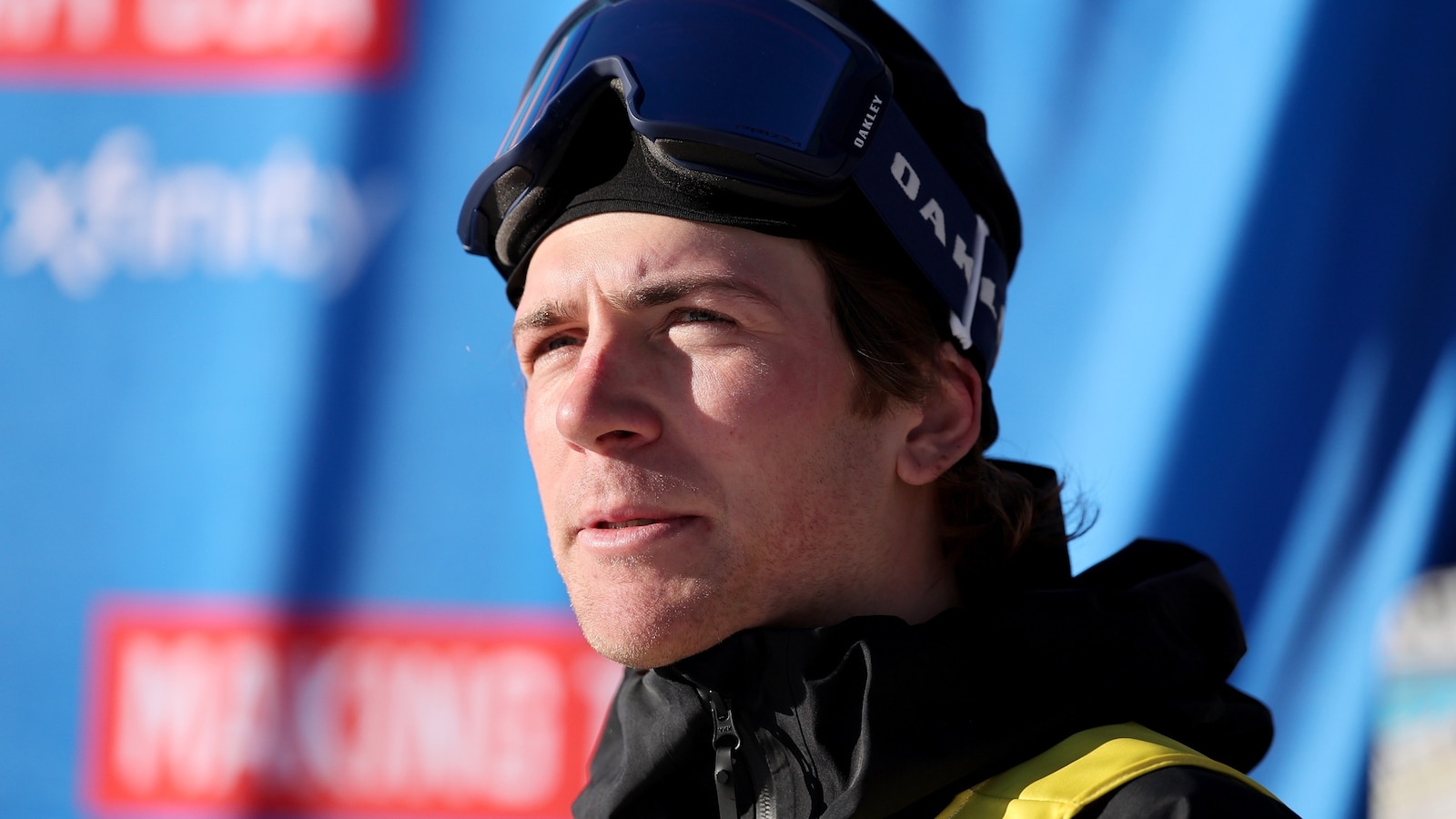
The 2026 Winter Olympics in Milano Cortina, Italy, became the backdrop for an unexpected political controversy when President Donald Trump publicly criticized freestyle skier Hunter Hess, a member of Team USA. The president took to his social media platform on Sunday to express his disapproval of Hess’s recent comments about representing the United States at the international sporting event. In his characteristic blunt style, Trump called Hess a “real Loser” and stated that it’s “very hard to root for someone like this.” The president’s remarks came in response to statements Hess made during a Team USA Freeski Team press conference held before the opening ceremonies, where the athlete expressed having “mixed emotions” about competing under the American flag given the current political climate in the United States. This public rebuke from the sitting president highlights the ongoing tension between athletic competition and political expression, a debate that has intensified in recent years as athletes have become more vocal about their personal values and social concerns.
The Athlete’s Perspective: Navigating Personal Values and National Representation
During the Friday press conference in Italy, Hunter Hess found himself answering a question about what it means to wear Team USA colors and the American flag during a time of domestic division within the country. His response was thoughtful and nuanced, reflecting the complex emotions many Americans feel about their nation’s current direction. “It brings up mixed emotions to represent the U.S. right now,” Hess acknowledged, adding that “it’s a little hard. There’s obviously a lot going on that I’m not the biggest fan of and I think a lot of people aren’t.” Rather than rejecting his role as an American representative entirely, Hess attempted to reframe what his participation meant on a personal level. He explained that he views himself as representing “my friends and family back home and the people that represented before me and all the things that I believe are good about the U.S.” This distinction was important to Hess, who emphasized that his representation is conditional on alignment with his moral values, stating, “If it aligns with my moral values, I feel like I’m representing it. Just because I’m wearing the flag doesn’t mean I represent everything that’s going on in the U.S.” His comments reflect a generation of athletes who see themselves as more than simply sports figures, but as individuals with convictions who happen to compete at the highest level.
Presidential Response and Political Fallout
President Trump’s response to Hess’s comments was swift and unforgiving. In his social media post, the president wrote: “U.S. Olympic Skier, Hunter Hess, a real Loser, says he doesn’t represent his Country in the current Winter Olympics. If that’s the case, he shouldn’t have tried out for the Team, and it’s too bad he’s on it. Very hard to root for someone like this.” The president’s characterization of Hess’s statements was notably more absolute than what the athlete actually said—Hess had expressed mixed emotions and qualified his representation rather than outright refusing to represent the country. When contacted for comment, the White House offered no immediate response to inquiries about the president’s social media post. This silence leaves open questions about whether this was an impromptu personal opinion from Trump or a calculated political message. The incident recalls previous instances where Trump has clashed with athletes who have expressed political views or engaged in protests, suggesting a pattern of expecting unwavering patriotic support from those who represent America on the international stage.
Solidarity Among Teammates and Shared Concerns
Hunter Hess wasn’t alone in expressing conflicted feelings about representing the United States at this particular moment in history. His teammate, freestyle skier Chris Lillis, also spoke candidly at the same press conference in response to the question about what wearing Team USA means during times of national tension. Lillis’s comments were equally heartfelt and perhaps even more explicitly critical of current domestic policies. “I feel heartbroken about what’s happening in the United States,” Lillis stated, continuing, “I think that as a country, we need to focus on respecting everybody’s rights and making sure that we’re treating our citizens, as well as anybody, with love and respect.” Lillis offered a vision of what he hoped America could be, saying, “I hope that when people look at athletes competing in the Olympics, they realize that’s the America that we’re trying to represent.” This solidarity between teammates suggests that these sentiments aren’t isolated opinions but may reflect broader feelings among American athletes. The fact that multiple team members felt comfortable expressing these views publicly indicates a shift in how athletes view their relationship with political discourse and national representation.
The Broader Context: Immigration Concerns and Protests in Italy
The athletes’ comments didn’t emerge in a vacuum but were influenced by specific controversies surrounding the Milano Cortina Games. Protests had erupted in Italy in the days leading up to the Olympics, partly fueled by unsubstantiated reports that the United States planned to send Immigration and Customs Enforcement (ICE) agents to the Games. These reports, though ultimately proven inaccurate, created significant tension and raised questions about America’s international presence at what is traditionally a celebration of peaceful athletic competition and international cooperation. In response to the growing concerns and protests, Tilman J. Fertitta, the U.S. Ambassador to Italy and San Marino, issued a clarifying statement the previous week. He confirmed that personnel from Homeland Security Investigations (HSI)—the investigative arm of the Department of Homeland Security, which also oversees ICE—would indeed be present at the Games, but emphasized that their role would be “strictly advisory and intelligence-based” with “no patrolling or enforcement involvement.” The statement further assured that “all security operations will remain the responsibility of Italian authorities.” Despite this clarification, the initial reports had already influenced public perception and likely contributed to the atmosphere in which athletes like Hess and Lillis felt compelled to address their complicated feelings about representing their country.
The Intersection of Sports, Politics, and Personal Conscience
This incident represents another chapter in the ongoing debate about the role of athletes in political discourse and whether sports should remain separate from politics. Traditionally, Olympic athletes were expected to be apolitical representatives of their nations, focusing solely on athletic excellence and embodying unity. However, the modern era has seen athletes increasingly view their platforms as opportunities to advocate for causes they believe in and to express their authentic feelings about their countries’ policies and directions. The tension between Hunter Hess’s nuanced expression of mixed emotions and President Trump’s demand for unconditional patriotic representation reflects a broader cultural divide about what it means to be American and how citizens should relate to their government. Hess’s position—that he can represent the values he believes America should embody while criticizing its current actions—represents a form of patriotism that views constructive criticism as an act of love for one’s country. Conversely, the president’s response suggests a view that representing America on the international stage requires full-throated support for the nation as it currently exists. As athletes continue to navigate these complex waters, incidents like this one will likely continue to spark debate about the proper relationship between sports, national identity, and political expression. The question remains: Can an athlete simultaneously represent their country and critique it, or does wearing the flag require setting aside personal convictions? For athletes like Hunter Hess and Chris Lillis, the answer seems to be that true representation means bringing their whole selves—including their values and concerns—to the competition.