



Major Pharmaceutical Companies Join Trump Administration’s Discount Drug Initiative
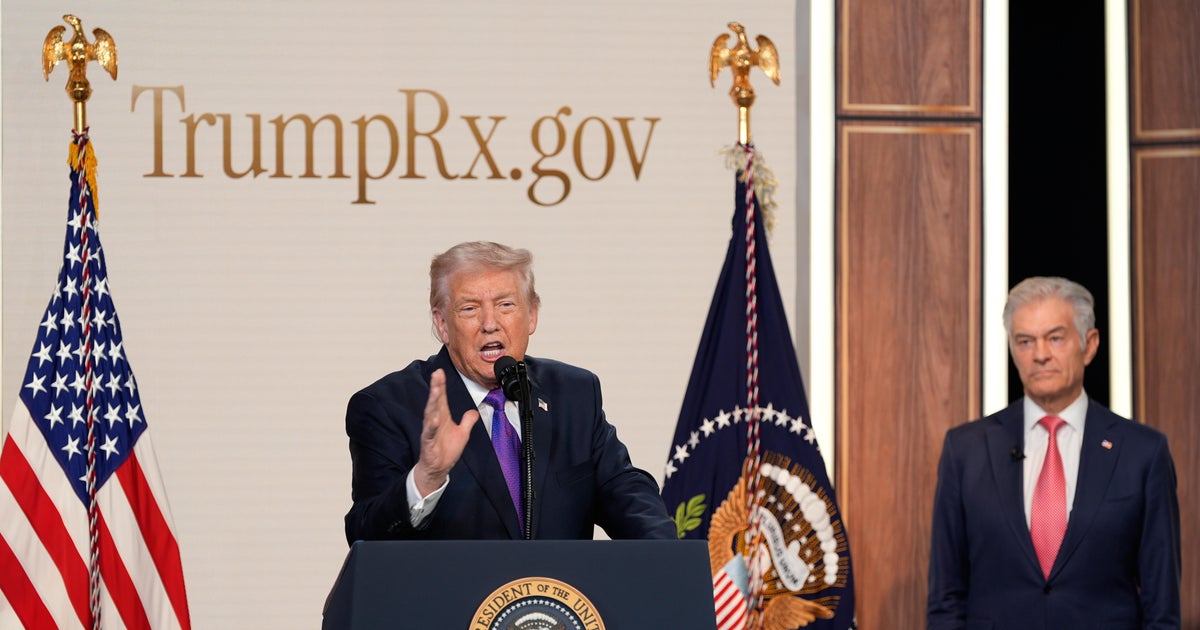
The Trump administration’s effort to make prescription medications more affordable for Americans is gaining significant momentum, with two major pharmaceutical manufacturers joining the program. CBS News has exclusively reported that Abbvie and Genentech will begin offering popular brand-name medications through the White House’s discount prescription drug website, known as “TrumpRx,” starting Monday. This expansion marks a notable development in the administration’s campaign to reduce healthcare costs for American consumers who struggle with the high prices of essential medications.
Understanding the TrumpRx Program and Its Expanding Reach
The TrumpRx website represents the administration’s innovative approach to addressing one of America’s most pressing healthcare challenges: the prohibitively high cost of prescription medications. With the addition of Abbvie and Genentech, the program now includes eleven pharmaceutical companies committed to offering their products at substantially reduced prices. The website, which originally launched in February with approximately forty medication options, has experienced rapid growth and now features over sixty-one different drugs available at discounted rates. This expansion demonstrates both the program’s viability and the willingness of major pharmaceutical manufacturers to participate in initiatives aimed at making healthcare more accessible to everyday Americans.
The program operates on a straightforward principle: pharmaceutical companies agree to sell their medications to American consumers at prices comparable to what they charge in other developed nations. This “most-favored-nation” approach addresses the long-standing criticism that Americans pay significantly more for the same medications than patients in Canada, Europe, and other countries. By negotiating directly with pharmaceutical manufacturers, the administration aims to eliminate the markup that has traditionally made American drug prices among the highest in the world. However, it’s important to understand that this program specifically targets a particular segment of the population—those who are uninsured or whose insurance plans don’t cover specific medications, forcing them to pay full list prices out of their own pockets.
Significant Price Reductions on Essential Medications
The savings being offered through the TrumpRx program are genuinely substantial and could make a meaningful difference in patients’ lives. Abbvie, which finalized its agreement with the Trump administration back in January, will offer Humira through the discount site at an remarkable eighty-six percent reduction from its standard price. Humira, also known by its generic name adalimumab, is a critical medication for patients suffering from rheumatoid arthritis, Crohn’s disease, and ulcerative colitis. For many patients with these chronic, often debilitating conditions, Humira represents not just relief from symptoms but the ability to maintain quality of life and continue working and participating in daily activities.
Without insurance coverage, the Humira Pen can cost patients more than six thousand nine hundred dollars—a price point that places it completely out of reach for most uninsured individuals. Through the TrumpRx program, coupons will reduce this cost to nine hundred fifty dollars, according to White House officials. While this still represents a significant expense, it’s a price that many more patients might realistically be able to afford, potentially transforming their access to this life-changing medication. Similarly, Genentech, which reached an agreement with the administration in December, will offer Xofluza, a single-dose flu treatment and prevention medication, for approximately fifty dollars—down from its standard price of one hundred sixty-eight dollars. Additionally, Amgen is expanding its participation in the program by adding Enbrel, an arthritis medication, and Otezla, which treats plaque psoriasis, to its TrumpRx offerings.
Who Benefits and Current Program Limitations
Understanding who can actually benefit from the TrumpRx program is crucial for setting realistic expectations about its impact. The discounted prices available on the website are specifically designed for patients who are uninsured or whose insurance plans don’t provide coverage for the particular medication they need. For these individuals, who would otherwise be forced to pay the full list price out of pocket, the savings can be truly transformative. However, the program doesn’t necessarily benefit those who already have insurance coverage, as these patients typically already pay lower prices through their insurance plans’ negotiated rates and copayment structures.
This limitation means that the program, while valuable, addresses only a portion of the prescription drug affordability crisis in America. Millions of Americans who have insurance but face high deductibles, substantial copayments, or medications that aren’t covered by their formularies may find themselves unable to take advantage of these discounts. Recognizing this gap, a White House official has indicated that the administration is actively working to expand the program’s reach. Specifically, they’re attempting to incorporate these discount prescription arrangements into the broader “Great Healthcare Plan” proposal, with the goal of allowing people on government insurance programs to use their copayments toward TrumpRx medications. This would significantly expand the number of Americans who could benefit from the negotiated prices. However, this expansion requires congressional action, and Congress has not yet taken up the Trump-proposed healthcare plan for consideration.
The Most-Favored-Nation Approach to Drug Pricing
The philosophical foundation of the TrumpRx program rests on the “most-favored-nation” pricing model, which addresses a longstanding inequity in global pharmaceutical markets. For decades, Americans have effectively subsidized lower drug prices in other countries, paying significantly more for identical medications than patients in Canada, the United Kingdom, Japan, and throughout Europe. Pharmaceutical companies have justified this disparity by pointing to the high costs of research and development, regulatory approval processes, and the need to recoup their investments. However, critics have argued that this explanation doesn’t fully account for the dramatic price differences and that American consumers have been unfairly burdened.
The most-favored-nation approach seeks to level this playing field by requiring pharmaceutical companies to offer their products to uninsured American consumers at prices no higher than what they charge in other developed nations. This strategy tackles the problem at its source by directly negotiating with manufacturers rather than attempting to regulate prices through legislation or impose price controls through government mandate. By making these agreements voluntary—pharmaceutical companies choose to participate in the TrumpRx program—the administration has created a market-based solution that works within the existing healthcare system rather than requiring its complete overhaul. This approach has allowed the program to launch and expand relatively quickly, without getting bogged down in the lengthy legislative process that has stalled previous drug pricing reform efforts.
Political and Economic Implications of the Discount Drug Program
The TrumpRx initiative carries significant political weight as the administration seeks to demonstrate tangible progress on healthcare affordability—an issue that consistently ranks among voters’ top concerns. The ability to point to specific, substantial price reductions on popular, widely-recognized medications like Humira provides concrete evidence of the administration’s efforts to address healthcare costs. The voluntary participation of major pharmaceutical manufacturers also suggests that the industry recognizes the need to respond to public pressure regarding drug prices and may be seeking to head off more stringent regulatory interventions.
From an economic perspective, the program represents an interesting test case for market-based healthcare solutions. If the TrumpRx model proves successful in providing affordable access to medications without requiring massive government expenditures or regulatory overhauls, it could become a template for future healthcare reform efforts. The program’s rapid expansion—from forty drugs in February to over sixty by spring—suggests that it’s gaining traction among both pharmaceutical companies and consumers. However, questions remain about its long-term sustainability and whether the negotiated prices truly represent the best possible deals for American consumers. Critics of the approach argue that while individual discounts are helpful, they don’t address the underlying structural problems in the American healthcare system that allow such high initial prices to exist in the first place. As the program continues to evolve and potentially expand to include patients on government insurance programs, its true impact on American healthcare affordability will become clearer, and it may influence the broader debate about how to make healthcare accessible to all Americans regardless of their insurance status or ability to pay.