

Trump Announces Prisoner Exchange and Ceasefire Between Russia and Ukraine
A Glimmer of Hope in a Long and Devastating Conflict
In what could be a significant turning point in one of the most destructive conflicts of our time, President Trump announced on Friday that Russia and Ukraine have agreed to exchange 1,000 prisoners as part of a temporary ceasefire over the weekend. This announcement, made via his Truth Social platform, comes as the world watches closely to see if diplomatic efforts can finally bring an end to a war that has now stretched beyond four years. The ceasefire is intended to honor Russia’s Victory Day celebrations, a deeply significant holiday in Russian culture that commemorates the Soviet Union’s victory over Nazi Germany in World War II. While the details are still somewhat murky and neither Russia nor Ukraine has officially confirmed all the specifics that Trump outlined, the very fact that such an announcement has been made represents a potentially meaningful step toward de-escalation after years of brutal fighting that has claimed hundreds of thousands of lives and displaced millions more.
The Details of the Ceasefire and What We Know So Far
According to President Trump’s announcement, the temporary ceasefire will halt all “kinetic activity”—military speak for active combat operations—from Saturday through Monday. This three-day pause in hostilities is designed to coincide with Victory Day celebrations in Russia, which traditionally take place on May 9th. The prisoner exchange, involving 1,000 individuals from both sides, represents one of the largest such swaps since the war began and could reunite families who have spent years not knowing whether their loved ones were alive or dead. However, there’s some confusion about the exact timeline, as Ukraine’s President Volodymyr Zelenskyy had previously announced his own ceasefire for May 5-6, while Russia had proposed different dates of May 8-9 the week before. This discrepancy suggests that negotiations may still be ongoing and that the final arrangements might be more fluid than Trump’s announcement suggests. The fact that both Russia and Ukraine have yet to officially confirm Trump’s version of events indicates that while progress is being made, the situation remains delicate and subject to last-minute changes as both sides work through the complex details of even a temporary pause in fighting.
Trump’s Role in Bringing the Parties Together
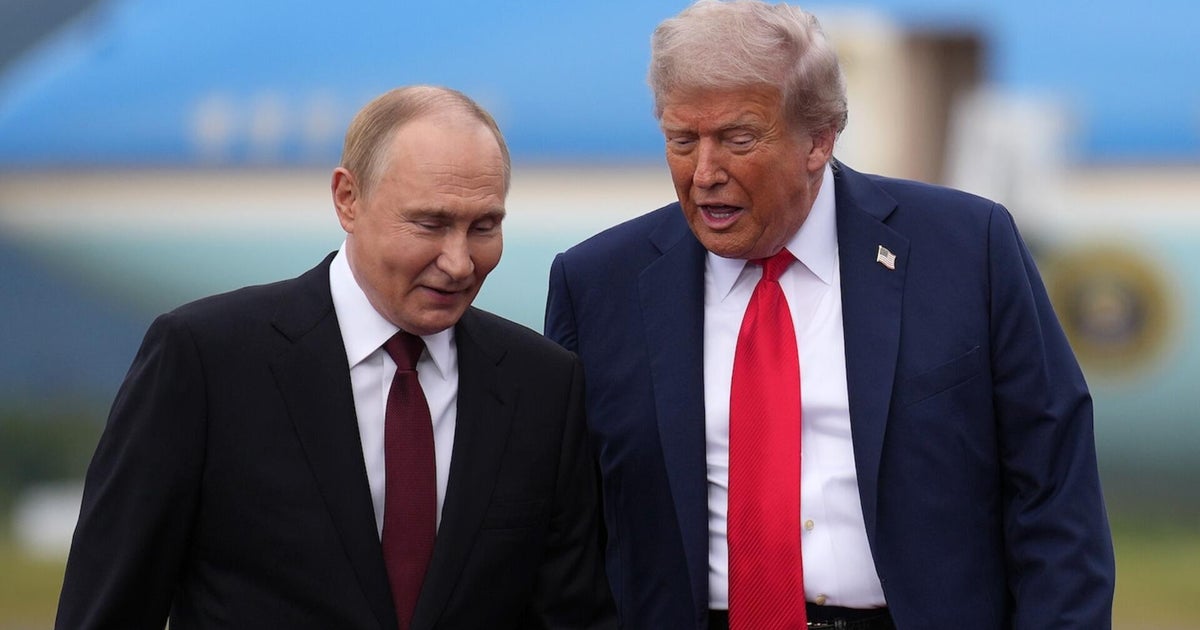
President Trump positioned himself as the catalyst for this ceasefire, stating that he personally requested the temporary halt in hostilities and expressing his appreciation to both Putin and Zelenskyy for agreeing to his proposal. This represents a continuation of Trump’s campaign promise to quickly end the war in Ukraine, something he repeatedly claimed he could accomplish within days of taking office. While critics have questioned whether his approach might favor Russian interests or pressure Ukraine into unfavorable concessions, supporters point to announcements like this as evidence that his direct, unconventional diplomatic style can produce results where traditional approaches have failed. The announcement comes on the heels of a phone call between Trump and Putin last week, as well as meetings this week between top U.S. officials and Ukrainian representatives in Miami. These diplomatic activities suggest a flurry of behind-the-scenes negotiations that may have paved the way for this weekend’s ceasefire. Trump’s statement expressing hope that this could be “the beginning of the end of a very long, deadly, and hard fought War” reflects both the immense human cost of the conflict and the political stakes for his administration in demonstrating that his promised “America First” foreign policy can deliver tangible results.
The Human Cost and Why This Matters
To understand the significance of even a temporary ceasefire, it’s important to remember the staggering human toll this war has exacted. Since Russia’s full-scale invasion began, hundreds of thousands of soldiers on both sides have been killed or wounded, while countless civilians have lost their lives, homes, and livelihoods. Entire cities have been reduced to rubble, and the economic devastation has rippled far beyond the immediate conflict zone, affecting global food supplies, energy markets, and international stability. The 1,000 prisoners who may be exchanged represent just a tiny fraction of those who have suffered, but for their families, this news could mean the difference between continued anguish and the possibility of reunion. Many of these prisoners have been held in terrible conditions, and some families have had no information about their loved ones for months or even years. Beyond the immediate humanitarian relief of the prisoner exchange and temporary ceasefire, there’s the possibility—however remote it might seem—that this pause could create space for more substantive negotiations. Wars often end not with dramatic breakthroughs but with small steps that gradually build confidence and create momentum toward a larger settlement. Whether this weekend’s ceasefire represents such a step remains to be seen.
The Challenges and Skepticism That Remain
Despite the hopeful tone of Trump’s announcement, substantial reasons for skepticism remain. Throughout this war, there have been numerous instances of proposed ceasefires, humanitarian corridors, and negotiated agreements that ultimately fell apart or were violated within hours of being announced. Trust between Russia and Ukraine is essentially nonexistent after years of fighting, broken promises, and documented war crimes. The confusion over the exact dates and terms of this ceasefire doesn’t inspire confidence that all parties are truly on the same page. Furthermore, a three-day pause in fighting, while welcome, does nothing to address the fundamental issues that would need to be resolved for any lasting peace: questions of territory, sovereignty, security guarantees, reparations, and accountability for war crimes. Russia continues to occupy significant portions of Ukrainian territory, and Ukraine has consistently maintained that any peace agreement must respect its territorial integrity and sovereignty. Meanwhile, Russia has shown little willingness to withdraw from areas it claims to have annexed. The prisoner exchange, while humanitarian in nature, also doesn’t necessarily indicate progress on these core issues. Both sides have conducted prisoner exchanges before without any corresponding movement toward peace. There’s also the question of what happens when Monday comes and the ceasefire is supposed to end—will fighting simply resume as before, or will this pause have created enough momentum for an extension or further negotiations?
Looking Ahead: What This Could Mean for the Future
President Trump’s characterization of the Russia-Ukraine war as “the biggest since World War II” and his statement that “we are getting closer and closer every day” to ending it suggests his administration is heavily invested in brokering some kind of resolution. For Trump personally, success in ending this war would represent a major foreign policy achievement and vindication of his campaign promises. However, the pressure to deliver results could also lead to an agreement that Ukraine and its European allies might view as inadequate or that fails to address the underlying causes of the conflict. The coming days and weeks will be crucial in determining whether this ceasefire represents genuine progress or merely a temporary pause before hostilities resume. International observers will be watching closely to see if the prisoner exchange actually occurs as announced, whether the ceasefire holds for the full three days, and most importantly, whether the parties use this time to make progress on the harder questions that any lasting peace would require. For the people of Ukraine and Russia who have endured so much—the soldiers in trenches, the civilians in bombed cities, the families separated by conflict—even a temporary ceasefire offers a brief respite from the daily terror of war. Whether it can become something more lasting depends on factors far beyond any single announcement: the political will of leaders in Moscow, Kyiv, and Washington; the willingness of both sides to make difficult compromises; and the ability of the international community to provide the security guarantees and reconstruction support that any sustainable peace would require. For now, the world waits to see if this weekend’s ceasefire marks a genuine turning point or merely another false dawn in a conflict that has already lasted far too long.