

Chaos in the Skies: Delta Flight Returns to Houston After Passenger Disturbance
Flight Forced to Make Emergency Return After Violent Incident
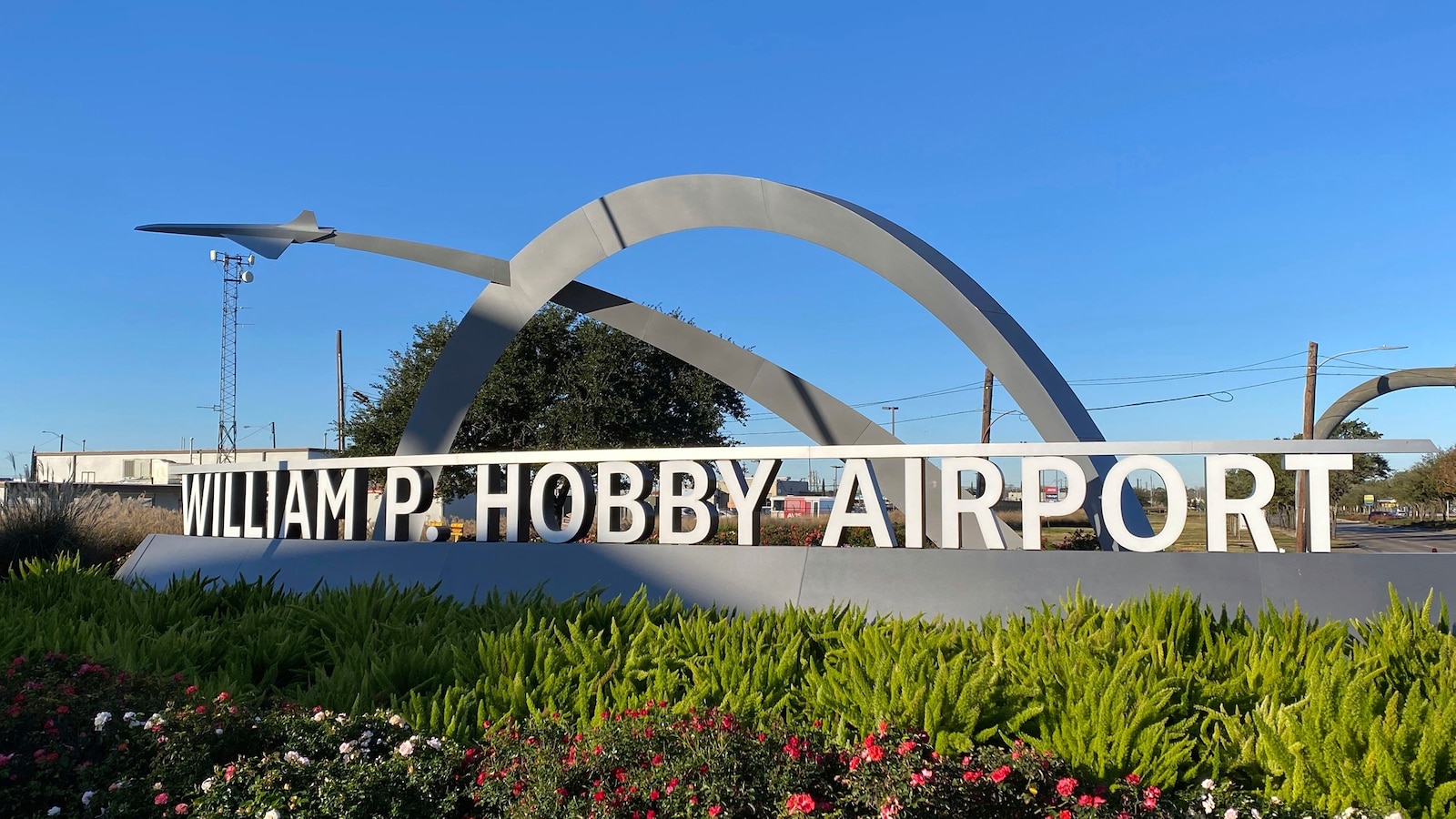
A routine morning flight from Houston to Atlanta turned into a frightening ordeal when a passenger’s violent outburst forced the aircraft to turn around just minutes after takeoff. Delta Airlines Flight 2557, which departed from William P. Hobby Airport bound for Hartsfield-Jackson Atlanta International Airport, was in the air for barely 15 minutes before the crew made the decision to return to Houston around 5:40 a.m. local time on Wednesday. The incident involved a male passenger who allegedly displayed what Delta Airlines officially described as “unruly and unlawful behavior towards other customers,” though eyewitness accounts paint a far more disturbing picture of violence and chaos at 30,000 feet. The quick response by both the flight crew and fellow passengers prevented what could have escalated into an even more dangerous situation, highlighting the ongoing challenges airlines face with disruptive passengers in an era where such incidents seem increasingly common.
Eyewitness Accounts Reveal Frightening Details
Passengers aboard the flight witnessed scenes that no one expects when boarding a commercial aircraft. Amber Ward, one of the travelers on Flight 2557, provided a detailed account of the terrifying incident to ABC News Atlanta affiliate WSB. According to Ward, the situation escalated rapidly when the disruptive passenger “started punching everybody” before being subdued and eventually removed from the plane. But the violence wasn’t the first sign of trouble—Ward reported that before the physical attacks began, the man had been attempting to reach the cockpit, repeatedly stating that he wanted to speak to the pilot. The concerning behavior prompted Ward to begin recording the incident on her phone, explaining that she “just wanted to make sure I got it on film, because I didn’t know what was going to happen.” Her instinct to document the situation reflects the uncertainty and fear that gripped passengers as the scene unfolded. The man’s behavior became increasingly aggressive, eventually targeting a specific passenger seated by the window, attacking him by “yanking him by his shirt, his hair,” according to Ward’s account. It took the combined efforts of approximately eight male passengers to pull the aggressor off his victim and restrain him by physically holding him down, a dramatic scene that underscores just how violent the situation had become before the pilot made the crucial decision to turn the aircraft around and return to Houston.
Conflicting Reports and Official Responses
In the immediate aftermath of the incident, there was some confusion regarding exactly what had transpired on the flight. Earlier reports and air traffic controller audio suggested that the disruptive passenger had attempted to breach the cockpit, a particularly serious offense that carries severe federal penalties and raises significant security concerns. Audio recordings from air traffic control captured one of the pilots reporting to controllers that “we had a passenger get up and try to access the cockpit,” and that “he assaulted another passenger,” adding that they wanted medical personnel to check on the assault victim. However, Delta Airlines later issued a clarification in their official statement to ABC News, asserting that the individual “did not make contact with or attempt to access the flight deck.” This discrepancy between the pilot’s real-time report and the airline’s subsequent statement highlights the sometimes chaotic nature of in-flight incidents and how initial reports can differ from official accounts after investigation. Regardless of whether the man actually made contact with the cockpit door, Delta was clear about their position on the behavior, stating firmly that “the safety of our customers and crew is paramount, and Delta has zero tolerance for unruly behavior.” The airline also issued an apology to passengers, acknowledging the distressing experience and the delay to their travel plans that resulted from the incident.
Law Enforcement Response and Investigation
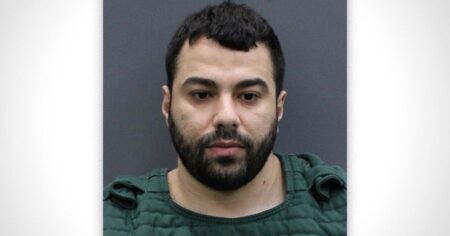
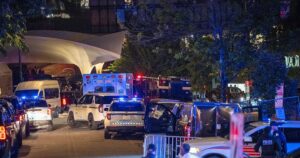
The Houston Police Department received a call at approximately 5:35 a.m. reporting that “apparently an individual tried to gain entry into a cockpit,” and officers were immediately dispatched to Gate 32 at William P. Hobby Airport. Video footage obtained and verified by ABC News shows the dramatic conclusion of the incident, depicting a passenger with his hands bound being escorted off Delta Flight 2557 by law enforcement officers. Multiple police cars surrounded the aircraft upon its return to the gate, as captured by local Houston television station KTRK, creating a scene that would have been alarming to other travelers at the airport that morning. The detained man now faces potential federal charges, as any interference with a flight crew or assault on an aircraft falls under federal jurisdiction and carries serious penalties. The Federal Aviation Administration confirmed that the flight “returned safely” to Hobby “after the crew reported a passenger disturbance” and announced that it will conduct a full investigation into the incident. Such investigations are standard procedure for any serious in-flight disturbance and help aviation authorities track patterns, identify security gaps, and develop better protocols for handling similar situations in the future.
Impact on Passengers and Flight Operations
The incident affected a total of 85 passengers and five crew members who were aboard the aircraft during the frightening ordeal. Beyond the immediate trauma of witnessing and experiencing violence in the confined space of an aircraft cabin, passengers also faced significant delays to their travel plans. After the disruptive passenger was removed from the aircraft and taken into custody by Houston police, the flight was able to re-depart for Atlanta. However, the delay meant that Flight 2557 arrived at its destination approximately 90 minutes behind schedule, according to Delta Airlines. While 90 minutes might seem like a relatively minor delay in the grand scheme of air travel disruptions, it represents hours of stress, fear, and uncertainty for the passengers involved, not to mention potential missed connections and disrupted plans in Atlanta. For the passenger who was physically assaulted during the incident, the impact was undoubtedly far more severe, both physically and psychologically. The pilot’s request for medical personnel to evaluate the assault victim suggests that the attack was serious enough to warrant immediate medical attention, though the extent of any injuries has not been publicly disclosed.
Growing Concerns About Unruly Passenger Behavior
This incident is part of a troubling trend that has seen a significant increase in disruptive and sometimes violent passenger behavior on commercial flights in recent years. Aviation authorities, airlines, and flight attendant unions have all reported alarming spikes in unruly passenger incidents, ranging from verbal confrontations to physical assaults on crew members and fellow passengers. The causes are varied and complex, including increased stress related to travel disruptions, disagreements over mask policies during the pandemic, heightened tensions in society generally, and in some cases, alcohol or substance abuse. Airlines have responded by strengthening their policies, with Delta and other major carriers implementing “no-fly” lists for passengers who engage in dangerous or threatening behavior. The FAA has also taken a harder line, pursuing civil penalties and working with law enforcement to ensure criminal prosecution in serious cases. Flight attendants, who bear the brunt of dealing with these situations while also trying to maintain safety and service for other passengers, have advocated for stronger protections and stiffer penalties. This Houston incident, with its combination of attempted cockpit access, multiple assaults, and the need for eight passengers to physically restrain the aggressor, represents one of the more serious examples of the phenomenon and serves as a stark reminder that air travel safety depends not just on mechanical systems and pilot expertise, but also on the behavior and cooperation of every person aboard the aircraft. As this story continues to develop and investigators work to understand what motivated this particular passenger’s actions, it will likely add to the ongoing national conversation about how to better prevent and respond to such incidents in the future.