

U.S. Lawmakers Call for End to Cuba’s Energy Crisis After Witnessing Devastating Effects
A Critical Diplomatic Visit to Havana
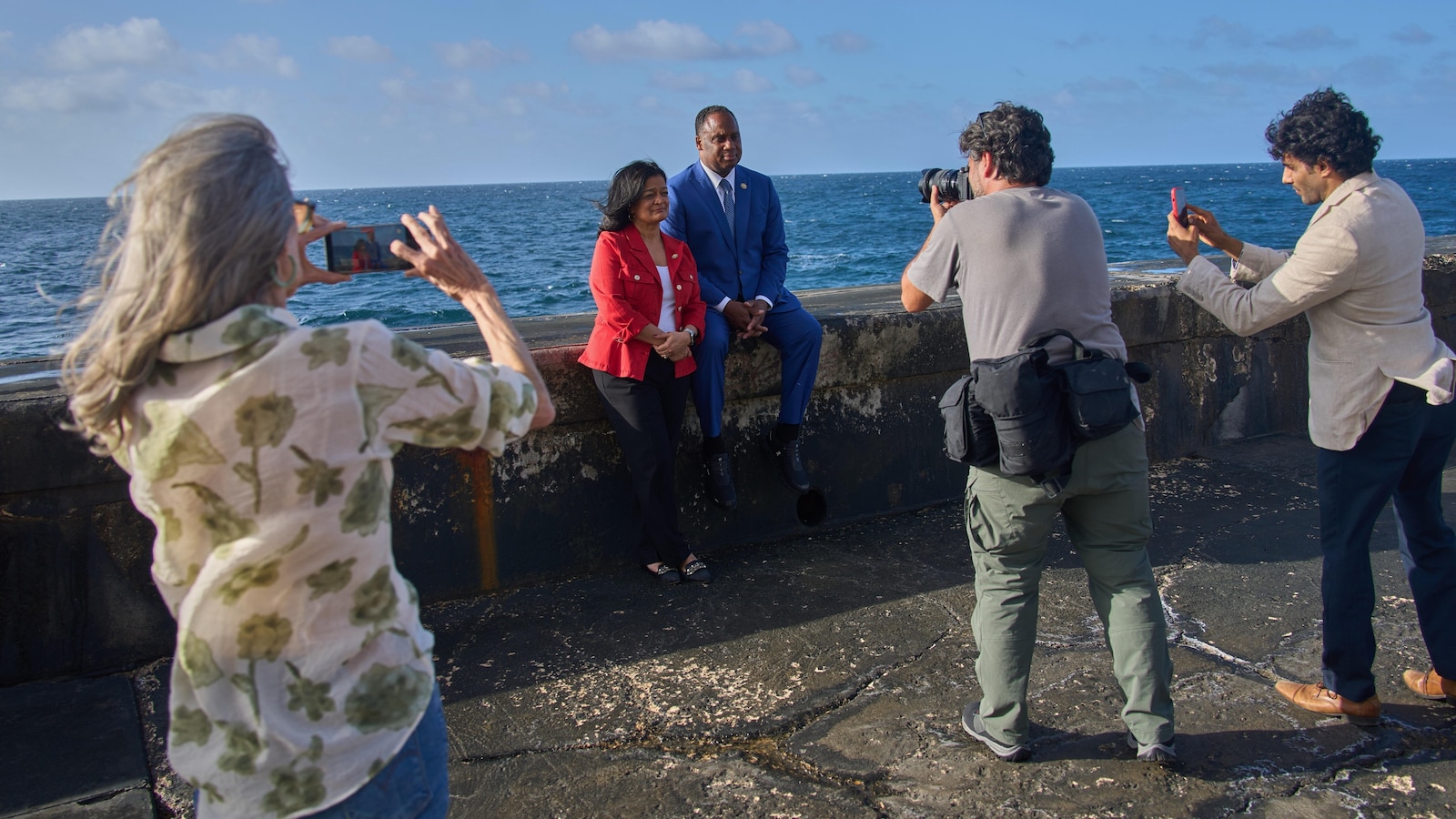
Two Democratic members of Congress recently completed a significant five-day visit to Cuba that has reignited discussions about the long-standing U.S. embargo and its humanitarian impact on the island nation. Representatives Pramila Jayapal of Washington and Jonathan Jackson of Illinois traveled to Havana, where they met with top Cuban officials including President Miguel Díaz-Canel, Foreign Minister Bruno Rodríguez, and members of the Cuban Parliament. The visit, which concluded on a recent Sunday, provided the lawmakers with a firsthand look at the severe consequences of what they characterized as an “energy blockade” imposed by the United States. During their time on the island, the representatives witnessed the daily struggles of ordinary Cubans dealing with chronic power outages, fuel shortages, and the cascading effects these shortages have on everything from transportation to healthcare. The trip represents a renewed effort by some members of Congress to reassess America’s decades-old policy toward Cuba, with both lawmakers calling the current approach a “Cold War remnant” that serves neither the American people nor the Cuban people. Their observations and subsequent statements have brought renewed attention to the humanitarian dimensions of U.S. sanctions policy and raised questions about whether the time has come for a fundamental change in approach.
The Humanitarian Crisis Unfolding in Cuba
The situation in Cuba has reached what many observers describe as a critical point, with the energy shortage creating ripple effects throughout Cuban society. The island nation produces only 40% of the oil it needs to function, making it heavily dependent on imports to keep the lights on and the economy moving. For the past five years, Cubans have endured an escalating economic crisis, but the recent intensification of the energy blockade has made daily life extraordinarily difficult for millions of people. National blackouts have become routine, leaving homes, businesses, and essential services without power for extended periods. Gasoline shortages and rationing have paralyzed public transportation systems, making it difficult for people to get to work, school, or medical appointments. Hospitals have been forced to cut working hours and postpone surgeries due to unreliable electricity, putting patients’ lives at risk. Even flights have been suspended at times due to fuel shortages, further isolating the island from the outside world. In their statement released at the conclusion of their visit, Jayapal and Jackson didn’t mince words about what they observed, describing the situation as “cruel collective punishment” and comparing it to “an economic bombing of the infrastructure of the country.” They emphasized that this policy has “produced permanent damage” and called for it to stop immediately, framing the issue not as a political dispute but as a humanitarian emergency that demands urgent action.
The Complex Web of International Relations and Oil Politics
The recent crisis in Cuba’s energy supply cannot be understood without looking at the broader context of international relations and U.S. foreign policy in Latin America. For years, Cuba has relied heavily on oil shipments from Venezuela, whose own oil-rich economy has provided a lifeline to the island. However, this critical supply chain was disrupted in early January when the United States took aggressive action against Venezuela, including the arrest of its leader, Nicolas Maduro. This move effectively cut off Cuba’s primary source of imported petroleum, plunging the island into an even deeper energy crisis. In late January, President Donald Trump escalated the pressure by threatening to impose tariffs on any country that would sell or provide oil to Cuba, creating a chilling effect that discouraged potential suppliers from doing business with the island. The threat of U.S. economic retaliation has made other nations hesitant to fill the gap left by Venezuela, leaving Cuba desperately searching for alternative sources. However, when a Russian ship arrived at Cuban ports last week carrying 730,000 barrels of crude oil—the first petroleum shipment in three months—President Trump made an exception and did not follow through on his tariff threat. Russia has promised a second delivery, though the timing remains uncertain. Experts estimate that the first Russian shipment could produce approximately 180,000 barrels of diesel, which would be enough to meet Cuba’s daily demand for only nine or ten days, highlighting the temporary nature of such solutions and the ongoing precariousness of the situation.
Signs of Potential Diplomatic Breakthrough
Despite the severity of the crisis, there are tentative signs that both countries may be open to finding a new path forward. Both the United States and Cuba have acknowledged that talks are ongoing at the highest levels, though neither side has disclosed specific details about the content or progress of these discussions. During their visit, the U.S. lawmakers observed several gestures from the Cuban government that they interpreted as signals of good faith and willingness to engage constructively. Cuba has recently opened its economy to certain investments by Cuban Americans living abroad, a significant policy shift that could strengthen ties between the island and its diaspora. The Cuban government also announced that more than 2,000 prisoners would be pardoned and has already released those individuals, who were accused of various crimes, though notably none appear to be political prisoners so far. Additionally, Cuba allowed an FBI team to enter the country to collaborate in the investigation of a fatal shooting involving a U.S.-flagged boat, demonstrating a willingness to cooperate on law enforcement matters. Representative Jayapal pointed to these developments as evidence that “the moment is here for us to have a real negotiation between the two countries and to reverse the failed U.S. policy of decades.” President Díaz-Canel, in a post on social media platform X following his meeting with the lawmakers, “denounced the criminal damage caused by the blockade, particularly the consequences of the energy embargo,” while also reiterating his “government’s willingness to engage in serious and responsible bilateral dialogue and find solutions to our existing differences.”
Drawing Parallels to Other International Situations
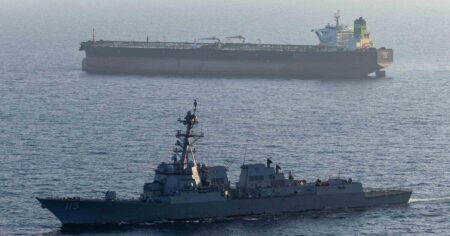
During their visit and subsequent statements, the U.S. lawmakers drew striking parallels between Cuba’s situation and other international conflicts to highlight what they see as inconsistencies in American foreign policy. Representative Jackson made a particularly pointed comparison between the U.S. response to the blocking of the Strait of Hormuz off Iran’s coast and the oil blockade affecting Cuba. He noted that the United States government is actively fighting to keep the Strait of Hormuz open to ensure the free flow of oil around the world, recognizing the importance of energy security for global stability and humanitarian concerns. Jackson argued that the same principle should apply in America’s own hemisphere, stating: “We want, for humanitarian reasons, a free flow of oil, fuel, and energy in our own hemisphere.” He also characterized Cuba as “the most sanctioned part of Earth,” emphasizing the severity and comprehensiveness of the restrictions placed on the island nation. This comparison raises fundamental questions about the consistency and priorities of U.S. foreign policy: if the free flow of energy is considered a humanitarian necessity in the Middle East, why is it being actively blocked in the Caribbean? The lawmakers’ rhetorical strategy of drawing these parallels appears designed to reframe the Cuba debate away from Cold War ideological positions and toward universal humanitarian principles that transcend political differences and historical grudges.
The Path Forward and Congressional Action
As they returned from Cuba, Representatives Jayapal and Jackson made clear that their visit was not merely a fact-finding mission but the beginning of a sustained effort to change U.S. policy toward the island. They announced plans to prepare a comprehensive report on their observations and findings, which will presumably document the humanitarian impact of current policies in detail. More significantly, they pledged to continue working on legislative initiatives that would lift sanctions against Cuba to alleviate the ongoing humanitarian crisis. These efforts are not happening in isolation—the lawmakers indicated they would be coordinating with fellow members of the U.S. House of Representatives who share their concerns about the current approach. While Jayapal acknowledged that recent oil shipments from Russia and potentially other countries are critical for Cuba’s immediate survival, she emphasized that such deliveries represent only temporary band-aids on a much larger wound: “We need a longer, permanent solution for the Cuban people and the American people.” This statement reflects a recognition that the current crisis-to-crisis management of Cuba’s energy needs is unsustainable and that a fundamental policy shift is required. Whether these congressional efforts will gain sufficient traction to overcome decades of entrenched policy positions and powerful political constituencies that support maintaining pressure on Cuba remains to be seen. The lawmakers face significant obstacles, including opposition from Cuban-American communities in Florida and elsewhere who oppose any normalization of relations until Cuba implements democratic reforms and respects human rights. Nevertheless, the willingness of elected officials to travel to Cuba, witness conditions firsthand, and speak publicly about what they describe as a humanitarian emergency represents a potential opening in what has long been one of the most rigid and unchanging aspects of American foreign policy.