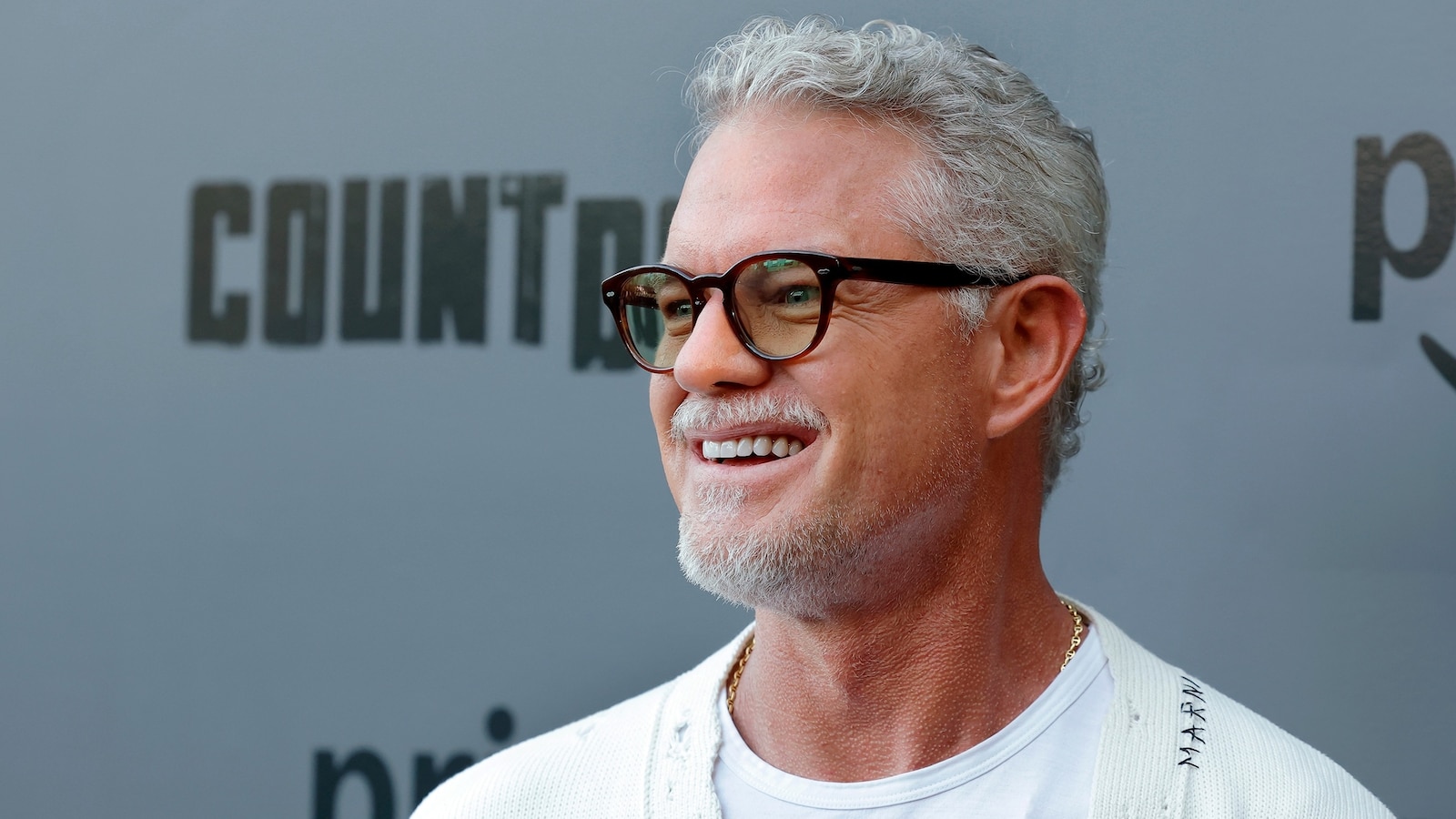

Eric Dane’s Courageous Battle with ALS: A Story of Hope, Family, and Advocacy
Opening Up About an Unthinkable Diagnosis
When actor Eric Dane stepped into the public spotlight in April 2025 to share that he had been diagnosed with amyotrophic lateral sclerosis (ALS), he made a conscious decision not to hide from the devastating reality of his condition. Instead, the beloved star, known for his charismatic performances on screen, chose to use his platform to shine a light on this rare and brutal neurological disorder. At 52 years old, Dane embarked on a journey that would transform him from Hollywood actor to passionate advocate for the thousands of people living with ALS across the country. In a deeply moving sit-down interview with ABC News’ Diane Sawyer that aired in June, just months after his announcement, Dane spoke candidly about the disease that would ultimately claim his life at age 53. He described ALS and its relentless symptoms as “sobering,” acknowledging the stark reality he faced while refusing to be defined by it. The disease, sometimes called Lou Gehrig’s disease after the legendary baseball player who famously battled the same condition, affects nerve cells throughout the body in devastating ways. According to the Centers for Disease Control and Prevention, ALS attacks nerve cells in both the upper and lower parts of the body, causing them to gradually stop functioning. This progressive deterioration leads to increasing paralysis and, ultimately, death—a grim prognosis that Dane faced with remarkable courage and determination.
A Fighter’s Spirit in the Face of Overwhelming Odds
Despite the overwhelming nature of his diagnosis, Eric Dane demonstrated an inspiring refusal to surrender to despair. “There’s so much about it that’s out of my control,” he acknowledged to Diane Sawyer, displaying the kind of honest self-awareness that would characterize his public battle with the disease. But rather than dwelling on what he couldn’t control, Dane focused his energy on what he could—his attitude, his treatment options, and his determination to make every remaining day count. “I’m very hopeful. I’m pretty resilient,” he told Sawyer, words that revealed the inner strength that would sustain him through the difficult months ahead. “I’m fighting as much as I can,” he added, a simple statement that carried profound weight. True to his word, Dane threw himself into exploring every possible avenue for treatment and hope. He enrolled in research studies designed to better understand ALS and potentially develop new treatments. He took medications that might slow the progression of his symptoms, knowing that while there was no cure, every day gained was precious. His approach was methodical, informed, and filled with the kind of determination that had served him throughout his successful acting career.
Building Bridges Between Hollywood and Medical Research
Understanding that his celebrity platform could serve a purpose far greater than entertainment, Eric Dane partnered with leading ALS researcher Dr. Merit Cudkowicz, the executive director at the Massachusetts General Brigham Neuroscience Institute. This collaboration represented more than just a famous patient seeking cutting-edge treatment—it was a genuine effort to raise awareness about a condition that desperately needed more attention, funding, and research. Dane spoke warmly about his relationship with Dr. Cudkowicz, noting that she provided something he hadn’t found elsewhere: genuine hope grounded in scientific possibility. “There was a sense of hope I didn’t get from other doctors that I met with,” Dane explained, highlighting how crucial it is for patients facing terminal diagnoses to work with medical professionals who can balance honest realism with optimistic determination. Beyond his personal treatment, Dane expanded his advocacy work by partnering with I Am ALS, a leading advocacy organization dedicated to supporting patients and accelerating research. In September 2025, several months after his initial public announcement, Dane released a powerful video message in collaboration with the organization. In it, he issued a passionate call for increased scientific research and threw his support behind an ambitious initiative aimed at raising $1 billion for ALS research—a sum that reflected both the scope of the challenge and the potential for breakthrough discoveries. “For over a century, ALS has been incurable, and we’re done accepting the status quo. We need the fastest path to a cure,” Dane declared in the video, his words carrying the weight of personal experience and the urgency of someone racing against time.
When Love Proves Stronger Than Separation
Perhaps one of the most touching aspects of Eric Dane’s ALS journey was the way it brought his family together in unexpected ways. Dane and his wife, fellow actor Rebecca Gayheart, had been separated for years, with Gayheart having filed for divorce back in 2018. Their marriage had seemingly run its course, and they had moved on with their separate lives while co-parenting their two daughters. But when Dane received his devastating diagnosis, everything changed. In March 2025, just one month before Dane would publicly reveal his condition, Gayheart made a remarkable decision: she requested that her divorce petition be dismissed. This wasn’t about rekindling a romantic relationship or pretending the problems that had led to their separation didn’t exist. Instead, it was about something deeper—family, commitment, and showing up for someone when they need you most. In his interview with Diane Sawyer, Dane spoke with evident emotion about Gayheart’s unwavering support. “She is probably my biggest champion, my most stalwart supporter, and I lean on her,” he said, his words revealing the depth of gratitude he felt for her presence during his darkest hours. Gayheart, for her part, spoke publicly about her decision to stand by Dane’s side during an appearance on the “Broad Ideas with Rachel Bilson & Olivia Allen” podcast in November. At 54, she had chosen to model a powerful lesson for their two teenage daughters, Billie and Georgia, about what it means to be family.
Living for Love and Legacy
“I am definitely trying to show [Billie and Georgia] that we show up for people, no matter what, and [Dane] is our family. He is your father,” Gayheart explained during her podcast interview. “We show up and we try to do it with some dignity and some grace and just get through it and … we will get through it the best we can.” Her words captured not just her personal commitment but a philosophy about family bonds that transcend marital status or living arrangements. For Eric Dane, his daughters represented one of his strongest reasons to keep fighting. He spoke movingly about wanting to spend time with Billie and Georgia, about making sure they knew every single day how much he loved them. The awareness that his time with them was limited gave every interaction added significance, transforming ordinary moments into precious memories. “At the end of the day, all I want to do is spend time with my family and work a little bit if I can,” Dane shared with Diane Sawyer, his priorities crystal clear. Work, which had once been central to his identity, had taken a backseat to what truly mattered—connection, love, and presence with the people who meant the most to him. Even as his body was failing him, Dane’s spirit remained unbroken, his focus on what he could still give rather than what was being taken away.
An Unfinished Story and a Lasting Impact
In one of the most poignant moments of his interview with Sawyer, Eric Dane spoke words that would resonate long after his passing: “I don’t think this is the end of my story. I just don’t feel like, in my heart, I don’t feel like this is the end of me.” While ALS would ultimately claim his life at 53, the truth of his statement remains evident. Dane’s legacy extends far beyond his work on screen, memorable as those performances were. Through his willingness to speak openly about his diagnosis, he helped remove some of the stigma and silence surrounding ALS. By partnering with researchers and advocacy groups, he contributed to efforts that may one day lead to treatments or even a cure. By modeling courage, hope, and grace in the face of terminal illness, he provided an example that will comfort and inspire others facing similar journeys. His advocacy work, particularly his support for the $1 billion research initiative, represents a concrete contribution to the fight against a disease that has remained incurable for over a century. Every dollar raised, every research study conducted, every bit of increased awareness brings the medical community closer to understanding and potentially defeating ALS. Eric Dane’s story also highlights the profound importance of family support when facing life-threatening illness. The image of Rebecca Gayheart choosing to dismiss her divorce petition and stand by her former husband’s side challenges our assumptions about what family means and what obligations we have to each other. Her decision to show their daughters what it means to “show up for people, no matter what” may prove to be one of the most valuable lessons Billie and Georgia ever receive—a living demonstration of compassion, commitment, and grace under pressure that will shape how they navigate their own relationships and challenges throughout their lives. Though Eric Dane’s physical presence is gone, his impact continues through the awareness he raised, the research he supported, the example he set, and the love he shared with his family during his final months.