
Privacy Concerns with Ring and Nest Home Security Systems: What You Need to Know
The Super Bowl Ad That Sparked a National Conversation
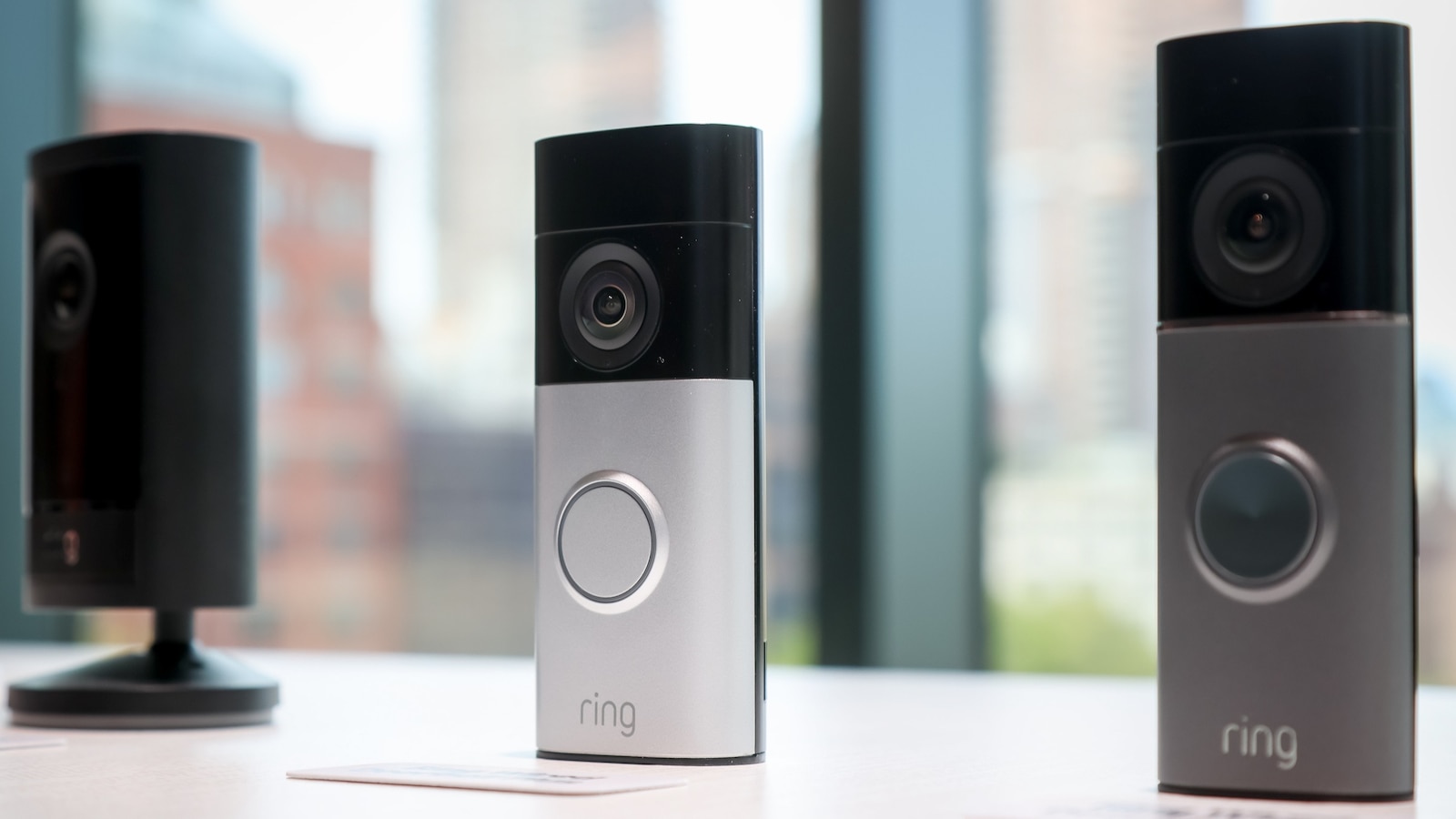
Home security cameras have become as common as doorknobs in American neighborhoods, but two recent events have pulled back the curtain on just how much these devices are watching—and who else might be watching along with you. Amazon’s Ring company aired a Super Bowl commercial that seemed innocent enough at first glance: a heartwarming story about neighbors coming together to find a family’s lost dog. But the ad quickly became one of the most talked-about moments of the game, and not in the way Amazon had hoped. The commercial showcased Ring’s “Search Party” feature, demonstrating how it can activate neighboring Ring cameras throughout a community to help locate something—or someone—that’s missing. What the company likely thought would impress viewers instead creeped them out. Social media erupted with comparisons to dystopian surveillance networks, with many people questioning whether this kind of technology should even be legal. Bill Budington from the Electronic Frontier Foundation put it plainly: if these systems can identify dogs moving through neighborhoods, they can certainly identify people too. Ring’s founder, Jamie Siminoff, seemed genuinely surprised by the negative reaction, insisting that privacy was “paramount” to how the feature was designed, but the damage to public perception was already done. The controversy highlighted a growing unease many people feel about the invisible surveillance networks that have quietly spread across American suburbs.
The Failed Partnership That Raised Even More Red Flags
Just when Ring thought the Super Bowl backlash might blow over, another privacy concern emerged that made things considerably worse. The company had been planning to integrate with Flock Safety, another surveillance company that works closely with law enforcement agencies. This partnership would have allowed police departments to use Flock’s technology to submit “Community Requests” directly to Ring camera owners during investigations. In other words, cops would have had a streamlined pipeline to footage from cameras on people’s homes and doorbells, all without the manual legwork that traditional investigations require. The public reaction was swift and fierce enough that both companies quickly backed away from the integration before it even launched. Ring assured everyone that no customer videos were ever actually sent to Flock Safety, but the fact that such a partnership was even being considered opened many people’s eyes to how these home security companies view the data they’re collecting. Civil liberties organizations like the ACLU have been particularly critical of Flock Safety, pointing out that data shared with local police can potentially make its way to federal agencies, including Immigration and Customs Enforcement. Flock denies working directly with ICE and says the agency doesn’t have direct access to their systems, but the controversy underscores a crucial point: once you hand over control of your home surveillance footage to a third-party company, you may have very little say in where that footage ultimately ends up or who gets to see it.
The Kidnapping Case That Revealed What Google Keeps
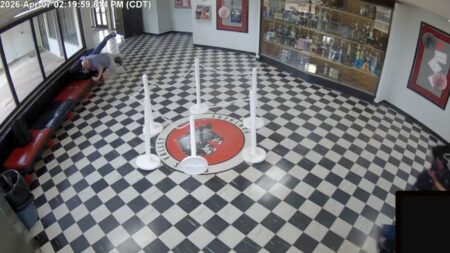
While Ring was dealing with its public relations nightmare, Google’s Nest cameras found themselves under scrutiny for an entirely different reason—one that raises equally troubling questions about data storage and privacy. When 84-year-old Nancy Guthrie disappeared from her Tucson, Arizona home in early February, investigators desperately searched for any clues about what happened to her. They struck gold when they recovered footage from her Google Nest doorbell camera showing a masked individual, apparently armed with a gun, at her home during the early morning hours when she vanished. Here’s where things get interesting—and concerning, depending on your perspective. Nancy Guthrie didn’t have a Nest subscription at the time of her disappearance. So how did investigators get the footage? According to FBI director Kash Patel, the video was recovered “from residual data located in backend systems.” In other words, even though Guthrie wasn’t paying for video storage, Google still had her footage sitting on their servers somewhere. For investigators trying to find a missing elderly woman, this was obviously a fortunate discovery. But for privacy advocates and everyday consumers, it raised an alarming question: if Google keeps “residual data” from cameras even when users aren’t paying for storage, what exactly are they keeping, for how long, and who has access to it?
What These Companies Actually Store (And What They Admit To)
Google’s official position, as stated on their website, is that Nest cameras only send footage to Google’s servers if you or someone in your home has explicitly turned the camera on or enabled a feature that requires it. They emphasize that you can always turn the camera off, and that when video is stored through a Google Home Premium or Nest Aware subscription, you can access, review, and delete it whenever you want. The company also notes that all Nest video history is “deleted on a rolling basis” depending on your subscription level, with older footage automatically removed after a certain number of days. Even without a paid subscription, users can typically review video or photos from events within a three-hour window. But the Nancy Guthrie case demonstrates that reality is more complicated than these tidy policy statements suggest. If truly all video is deleted on a rolling basis and without a subscription you only get three hours of history, how did investigators recover footage from days earlier from a camera without an active subscription? The answer seems to be that “residual data” lingers in Google’s “backend systems” in ways that aren’t entirely explained in their user-facing privacy policies. Ring’s approach is somewhat different—they explicitly state that you must have a Ring subscription to review any video recorded on home cameras and doorbells, and that only events occurring after you subscribe will be recorded. They also offer an optional end-to-end encryption feature that keeps passwords for your security products protected and private. But as privacy expert Ashkan Soltani points out, just by installing a Ring or Nest camera, you’re inevitably collecting data about yourself, your neighbors, and anyone who passes by—and that information is accessible to the companies behind these systems, regardless of what their privacy policies say.
How Law Enforcement Gets Access to Your Footage
One of the most significant concerns about home surveillance systems is how easily law enforcement can access footage without your knowledge or explicit consent. According to Bill Budington, police used to have to do old-fashioned detective work—knocking on doors to ask homeowners if their security cameras captured anything relevant to an investigation, or obtaining warrants to compel footage production. Now, they can potentially go straight to companies like Ring or Google and request footage directly, bypassing homeowners entirely. Budington puts it bluntly: “There’s no ownership of the consumer to that footage.” What used to require manual police work—canvassing neighborhoods, building relationships with community members, obtaining judicial approval—can now happen with a few clicks, giving law enforcement access to what amounts to a massive surveillance network that homeowners installed and maintain at their own expense. Both companies have transparency pages explaining their policies for responding to government requests. Google states that when they receive requests from governments and courts for user data, they review each one carefully and only provide information within the scope and authority of the request. They claim to notify users about legal demands when appropriate, unless prohibited by law or court order, and they seek to narrow requests they consider overly broad. Ring similarly states they don’t disclose user information in response to government demands unless legally required and properly served, and that they object to requests they determine to be overbroad or inappropriate. These policies sound reassuring on paper, but they leave plenty of room for interpretation and give users very little actual control over their own footage.
The Bigger Picture: What We’re Really Trading for Security
At the heart of these controversies is a fundamental tension in modern life: the trade-off between security and privacy. Home surveillance cameras can genuinely make us safer—they deter package thieves, document break-ins, and as the Nancy Guthrie case demonstrates, they can provide crucial evidence in serious criminal investigations. But there’s a cost to this security that isn’t measured in dollars and cents. Ashkan Soltani, former executive director of the California Privacy Protection Agency, emphasizes that people need to really think about what they’re sharing with companies when they install these systems. You’re not just monitoring your own property—you’re capturing footage of neighbors, mail carriers, children walking to school, and anyone else who happens to pass by. All of that data flows to corporate servers where it sits, potentially for much longer than advertised, accessible to the company, to law enforcement under certain circumstances, and possibly to hackers if security is breached. Soltani suggests that technology companies are deeply uncomfortable with the public understanding the full extent of their surveillance capabilities: “They very much don’t want this to be well known … that they have such a vast ability to surveil people and collect data that often surpasses law enforcement’s capabilities.” The Ring Super Bowl controversy and the Nest footage from the Guthrie case have pulled back the curtain on this reality, forcing a conversation that these companies probably wished would stay buried in privacy policy fine print. As home surveillance becomes increasingly normalized, we all need to grapple with what kind of world we’re creating—one where safety and privacy might be more mutually exclusive than we’d like to believe.