
Historic WNBA Labor Agreement Marks New Era for Women’s Basketball
A Groundbreaking Deal That Changes Everything
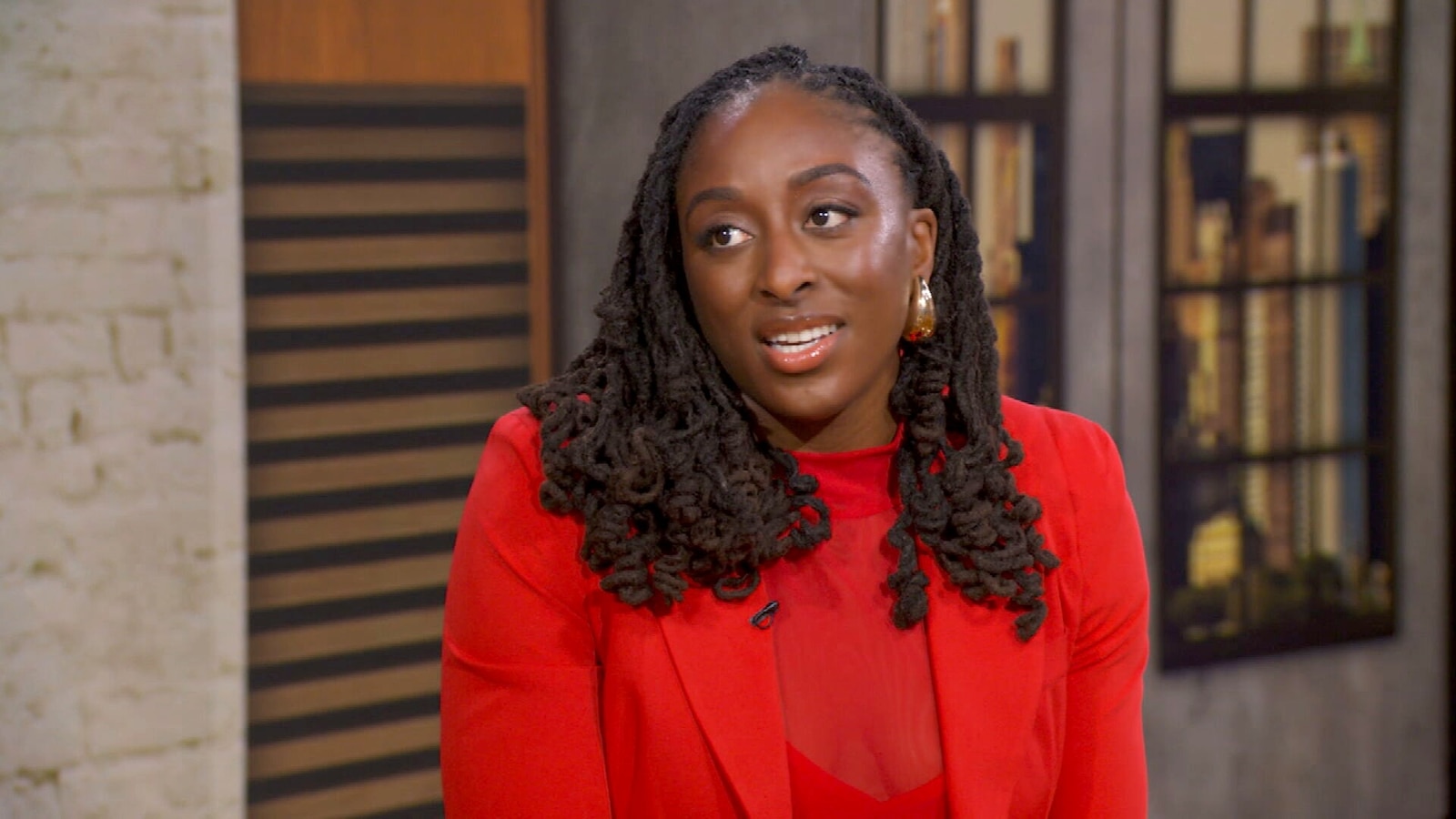
After what seemed like endless months of intense negotiations between the WNBA and its players, there’s finally reason to celebrate. WNBA Players Association President Nneka Ogwumike made a historic announcement this week that sent shockwaves through the sports world: the players’ union has reached a verbal agreement with the league that will fundamentally transform compensation for women’s professional basketball. For the first time since the league’s founding, star athletes are set to earn more than $1 million annually—a milestone that many thought would take years longer to achieve. Speaking with “Good Morning America” co-anchor Robin Roberts on Thursday, Ogwumike couldn’t hide her emotion as she reflected on the journey. “This journey has been well worth it,” she said, acknowledging the countless hours of discussions, disagreements, and determination it took to reach this point. This isn’t just about dollar signs on a contract—it’s about recognition, respect, and rectifying decades of undervaluation. “It’s a deal that’s changing lives in real time and also for generations to come,” Ogwumike emphasized, capturing the profound impact this agreement will have not just on today’s players, but on young girls dreaming of professional basketball careers and future generations of athletes who will benefit from this groundbreaking precedent.
Numbers That Tell a Story of Transformation
The financial details of this agreement are nothing short of staggering. According to the WNBPA, the deal would increase the average player salary by an astounding 364%. Let that sink in for a moment—players who were making modest salaries will now earn nearly five times what they did before. But the numbers get even more impressive from there. The maximum salary would jump by 460%, while the minimum salary would rise by 309%. These aren’t incremental improvements or modest cost-of-living adjustments; these are revolutionary changes that fundamentally reshape the economic landscape of women’s professional basketball. Ogwumike, a 10-time WNBA All-Star who has seen the evolution of the league firsthand, shared with ABC News that by her understanding, this represents the single largest salary jump in the history of all professional sports. Think about that for a moment—not just women’s sports, not just basketball, but across all sports, period. With these increases, the league can now boast what Ogwumike calls “a seven-figure max salary,” a phrase that would have seemed like a fantasy just a few years ago when WNBA players were speaking openly about needing to play overseas during the off-season just to make ends meet.
Beyond the Basics: A Comprehensive Package
While the salary increases grab the headlines, Ogwumike was careful to point out that this agreement goes far beyond base pay. However, she was also candid about the limitations on what she could share publicly at this stage. “There’s not a lot of details that I can share, because we’re still trying to finalize the term sheet,” she explained, noting that the union has been working to keep players informed about what they’ll eventually be voting on and ratifying. What she could discuss paints a picture of a comprehensive benefits package that addresses the full spectrum of player needs. The agreement includes significant improvements to retirement benefits, and Ogwumike made a point of highlighting a provision that was particularly meaningful to her—something that honors the pioneers who built the foundation these current players stand on. “Specifically something that reflects our appreciation for those who came before us and in our legends,” she said with evident emotion. “We wouldn’t be here without people like you, without so many of the players that have created this league that we’re in today.” It’s a recognition that this success didn’t happen in a vacuum; it’s built on the sacrifices and perseverance of women who played for far less, often in obscurity, keeping the dream alive until this moment could arrive.
Housing and Performance: Supporting Athletes Holistically
One of the more unique and forward-thinking aspects of this agreement involves housing provisions—an issue that might not immediately come to mind when thinking about professional sports contracts, but one that Ogwumike emphasized was “passionately voiced” throughout the negotiation process. Unlike many male athletes in major professional sports leagues who earn enough to comfortably afford housing in expensive markets, WNBA players have historically struggled with the financial burden of maintaining residences in the cities where they play, especially given the relatively short season. This new agreement apparently addresses those concerns with specific benefits designed to provide housing support, enabling players to focus on what they do best without the distraction of financial stress about keeping a roof over their heads. “Support for us to be able to perform at a high level,” is how Ogwumike characterized these provisions, recognizing that peak athletic performance requires peace of mind off the court. The inclusion of housing benefits shows a mature understanding of what professional athletes need to succeed—it’s not just about the paycheck, but about creating an environment where players can dedicate themselves fully to their craft, their training, and their teams without worrying about basic needs that should be a given at the professional level.
A Declaration of Value and a Fight for What’s Owed
Perhaps the most powerful aspect of Ogwumike’s comments wasn’t about any specific contract term but rather the principle behind the entire negotiation. “We are declaring our value, we’re fighting for what we deserve and what we’re owed,” she stated plainly. This simple declaration carries the weight of decades of women athletes being told to be grateful for whatever they received, to accept less because their sports didn’t generate the same revenue, to understand that “it’s just business.” This agreement represents a fundamental rejection of that narrative. The players aren’t asking for charity or special treatment; they’re claiming compensation commensurate with their skill, their dedication, and their growing marketability. The timing of this agreement is particularly significant given the WNBA’s recent surge in popularity, television ratings, and cultural relevance. The league has seen explosive growth in fan engagement, merchandise sales, and media coverage, driven in part by exciting young stars and compelling storylines. This deal acknowledges that the players are the product—their talent, charisma, and competition are what people pay to see—and they deserve to be compensated accordingly. By framing this as what they’re “owed” rather than what they’re asking for, Ogwumike and the players’ union are making a statement about fairness and equity that resonates far beyond basketball courts.
Looking Forward: Building a Sustainable Future
What makes this agreement truly transformative is its consideration of both present and future. Ogwumike emphasized that the deal thinks about existing players and those yet to come, “and the amount of money that they can save to build for the future that they really desire for themselves.” This long-term perspective is crucial because professional athletic careers are notoriously short, and athletes need to earn enough during their playing years to support themselves long after their final game. The agreement also specifically considers incoming players who are “still navigating that very tight transition from the college space to the pro space.” Anyone who’s followed college sports knows that jump to professional athletics can be jarring—suddenly you’re expected to perform at an even higher level while managing your finances, health care, housing, and all the other responsibilities of adulthood, often far from home and support systems. By addressing the needs of rookies specifically, this agreement shows thoughtful consideration for the complete player experience at all career stages. As the 30th WNBA season prepares to tip off on May 8, 2026, it will do so under fundamentally different circumstances than any season before it. Players will take the court knowing that their league values them not just in words but in concrete financial terms. Young girls watching will see professional women’s basketball as a viable career path, not just a passion project that requires overseas contracts to sustain. And the broader sports world will be watching to see if this historic agreement becomes a template for other women’s leagues fighting for equity and recognition. This isn’t just a new chapter for the WNBA—it’s potentially the beginning of a new book entirely.