
David Protein CEO Defends Nutrition Labels Amid Class Action Lawsuit
Standing Behind the Product
Peter Rahal, the CEO and founder of David Protein, has come forward with a passionate defense of his company’s popular protein bars after facing serious allegations in a proposed class action lawsuit. Taking to LinkedIn this Thursday, Rahal penned a detailed letter to customers and business partners, addressing the accusations head-on and explaining the complex science behind calorie measurement and food labeling. The lawsuit, filed in the Southern District Court of New York, targets Linus Technologies Inc., the food technology company responsible for producing the now cult-favorite gold label protein bars that have taken the health food market by storm. The legal complaint accuses the company of misleading consumers by mislabeling the calorie and fat content of their products, allegations that Rahal firmly denies as fundamentally flawed and based on a misunderstanding of established food labeling regulations.
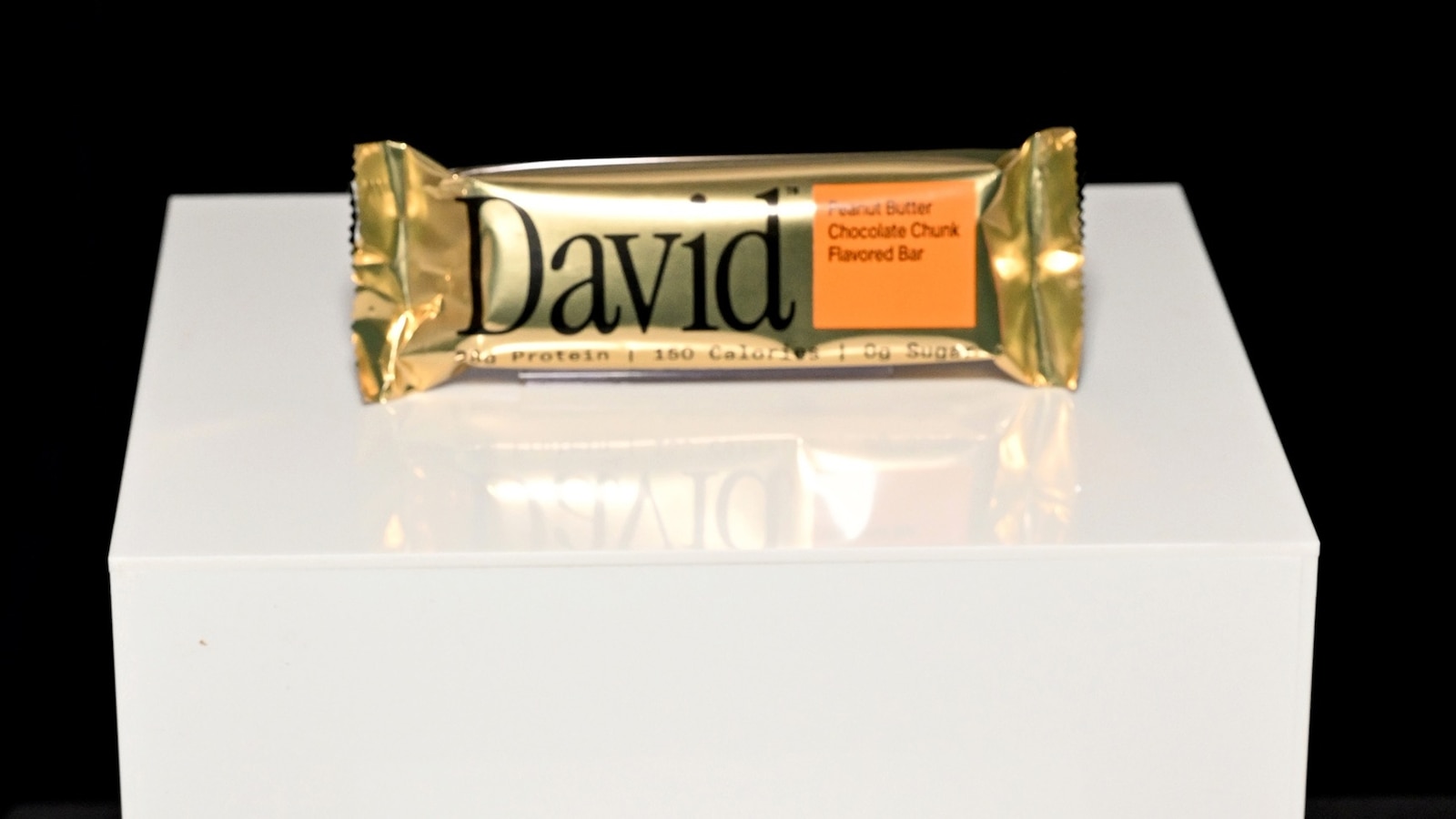
This controversy arrives at a particularly sensitive time in the food industry, as more and more health-conscious consumers are actively seeking out protein-rich, low-sugar snack options. The high-protein snack category has exploded in recent years, with companies heavily relying on nutrition marketing and transparent labeling to win over customers who carefully scrutinize every ingredient and macronutrient on the package. For many of these consumers, the numbers on the nutrition label aren’t just statistics—they’re essential information that guides purchasing decisions and dietary planning. The David Protein bars, with their eye-catching gold labels, had become a go-to choice for fitness enthusiasts, busy professionals, and anyone looking for a convenient protein boost without the sugar crash. Now, with questions being raised about the accuracy of those very labels that consumers have come to trust, the company finds itself in the hot seat, fighting to maintain its reputation and customer loyalty.
The Allegations and Laboratory Testing
The plaintiffs in this proposed class action lawsuit have made some serious claims that, if proven true, would represent a significant breach of consumer trust. According to their allegations, independent laboratory tests revealed that David products contain dramatically more calories and fat than what’s printed on their packaging—specifically, up to 83% more calories and a staggering 400% more fat than advertised. These are not minor discrepancies; they represent the kind of differences that could significantly impact someone’s daily caloric intake and nutritional goals. The legal complaint, which ABC News obtained and thoroughly reviewed, doesn’t mince words in its assessment of the company’s practices. It characterizes David Protein’s marketing as “unlawful and deceptive,” arguing that the company has violated Food and Drug Administration regulations by using misleading health statistics as a sales strategy in an increasingly competitive market.
To build their case, the plaintiffs hired an accredited laboratory to conduct independent analysis of the protein bars. The results they obtained allegedly contradicted the front-of-package labeling that has made David bars so appealing to health-focused consumers—labels proudly displaying 28 grams of protein, zero sugar, and just 150 calories. According to the lawsuit, Linus Technologies “knowingly” selected and promoted numbers that would particularly appeal to shoppers seeking high protein content while minimizing calories and fat intake. This is a crucial demographic in today’s health food market: people who are counting macros, watching their weight, or simply trying to make healthier choices in their daily lives. The suit paints a picture of a company that understood exactly what numbers would sell products and allegedly manipulated their labeling to match consumer desires rather than scientific reality. The plaintiffs are now seeking damages, restitution, and injunctive relief, though notably, the suit hasn’t called for a recall of specific product lots, and no regulatory agency has yet announced any enforcement action related to these claims.
The Science of Calorie Measurement
In his lengthy response, Rahal dove deep into the technical aspects of calorie measurement, attempting to educate consumers and partners about why the laboratory results cited in the lawsuit don’t tell the whole story. The CEO explained that the testing method used by the plaintiffs—something called bomb calorimetry—measures the total heat released when food is completely burned in a laboratory setting. This method then applies what’s known as the standard 4-4-9 caloric values, meaning it assumes that carbohydrates and protein each provide 4 calories per gram, while fat provides 9 calories per gram. While Rahal acknowledged that bomb calorimetry is indeed “a recognized calorie testing method for many foods,” he argued that food scientists and industry experts widely agree that it’s simply not the appropriate method for determining calories in foods containing certain specialized ingredients.
The crux of Rahal’s defense centers on specific ingredients that behave differently in the human body than they do when burned in a laboratory setting. He specifically mentioned dietary fiber, certain sweeteners, and—most importantly for David Protein bars—fat substitutes like esterified propoxylated glycerol, or EPG. This is where things get scientifically interesting and somewhat complicated. According to Rahal, when ingredients like carbohydrates, fiber, or EPG are burned in a calorimeter, they appear to deliver far more calories than the human body actually metabolizes from them. The key concept here is something called bioavailability—essentially, how much of a substance the body can actually absorb and use. Rahal argues that these ingredients “are not fully bioavailable and therefore do not yield their full caloric content when ingested.” In simpler terms, just because a laboratory test shows that burning an ingredient releases a certain amount of energy doesn’t mean your body will extract and use that same amount of energy when you eat it.
FDA Regulations and Compliance
Rahal’s defense also emphasizes that his company isn’t operating in some gray area or exploiting loopholes in food labeling laws. Instead, he maintains that David Protein has been following established FDA guidelines all along. According to the CEO, the Food and Drug Administration permits “the use of six different calorie calculation methods” and specifically allows companies to use “specific caloric values for approved ingredients.” This flexibility in the regulations exists precisely because different foods and ingredients behave differently both in laboratory settings and in human digestion. The one-size-fits-all approach of bomb calorimetry, while useful for many applications, doesn’t account for the complex reality of how modern food science has developed specialized ingredients that the body processes in unique ways.
Furthermore, Rahal addressed the fat content allegations specifically, stating firmly that “the fat content in our bars is also accurate and compliant” with FDA rules. He emphasized that his company has been transparent about its ingredients and has labeled everything according to the appropriate regulatory framework for those specific components. “Our products are labeled correctly and in full compliance with all FDA regulations,” Rahal declared in his letter. He went on to characterize the lawsuit’s claims as “meritless” and representing “a fundamental misunderstanding of basic, well-established scientific principles regarding how calories are determined under U.S. nutrition labeling standards for ingredients like EPG.” In essence, Rahal is arguing that the plaintiffs and their laboratory have applied the wrong scientific test to evaluate his products, leading to misleading results that don’t reflect how these bars actually function in the human body.
The Broader Implications for the Industry
This legal battle between David Protein and the plaintiffs represents more than just a dispute about one company’s labels—it highlights broader tensions in the rapidly evolving world of health foods and nutritional science. As food technology advances and companies develop new ingredients designed to provide the taste and texture consumers want with fewer calories and less fat, the traditional methods of measuring and labeling nutrition information may not always tell the complete story. The protein bar market alone has become a multi-billion-dollar industry, with countless brands competing for shelf space and consumer loyalty. In this crowded marketplace, the numbers on nutrition labels have become powerful marketing tools, and even small differences in calorie counts or macronutrient profiles can influence purchasing decisions.
The case also raises important questions about consumer expectations and trust. When someone picks up a protein bar labeled with 150 calories, they’re making decisions based on that number—perhaps choosing it over a 200-calorie option, or factoring those 150 calories into their daily total. If testing reveals significantly higher calorie counts, even if those calories aren’t fully metabolized by the body, does that constitute deception? Or is it simply a matter of using the most scientifically appropriate measurement method for specialized ingredients? These aren’t easy questions to answer, and they sit at the intersection of nutrition science, consumer protection law, and marketing ethics. For companies operating in this space, the David Protein lawsuit serves as a reminder of the intense scrutiny their products face and the importance of not only following regulations but also being able to clearly communicate the science behind their labeling choices to an increasingly educated and skeptical consumer base.
Moving Forward
As this legal drama unfolds, both the company and consumers await further developments. It’s worth noting that despite the serious allegations, no regulatory agency has stepped in with enforcement action, and no products have been recalled. This could be seen as a positive sign for David Protein, suggesting that regulators don’t currently view the labeling as problematic under existing FDA guidelines. However, the court of public opinion operates separately from legal and regulatory processes, and consumer trust, once damaged, can be difficult to rebuild. Rahal’s decision to address the lawsuit publicly and transparently, explaining the science in detail rather than hiding behind lawyers and corporate speak, may help maintain customer loyalty during this challenging period.
For consumers, this situation serves as a reminder of the complexity behind the seemingly simple nutrition labels we rely on every day. It highlights that food science and nutrition labeling involve nuanced scientific principles that go far beyond simply burning food in a laboratory and measuring the heat released. As the case proceeds through the legal system, it may ultimately require courts to wade into complex scientific territory, potentially setting precedents that could affect how similar products are labeled throughout the food industry. Whether you’re a loyal David Protein customer, a skeptical plaintiff, or simply someone who cares about truth in food labeling, this case is worth watching as it develops, as it may shape how we understand and regulate nutrition information for years to come.