
Navigating Travel Disruptions in the Middle East: What You Need to Know About Trip Insurance
Understanding the Current Travel Crisis
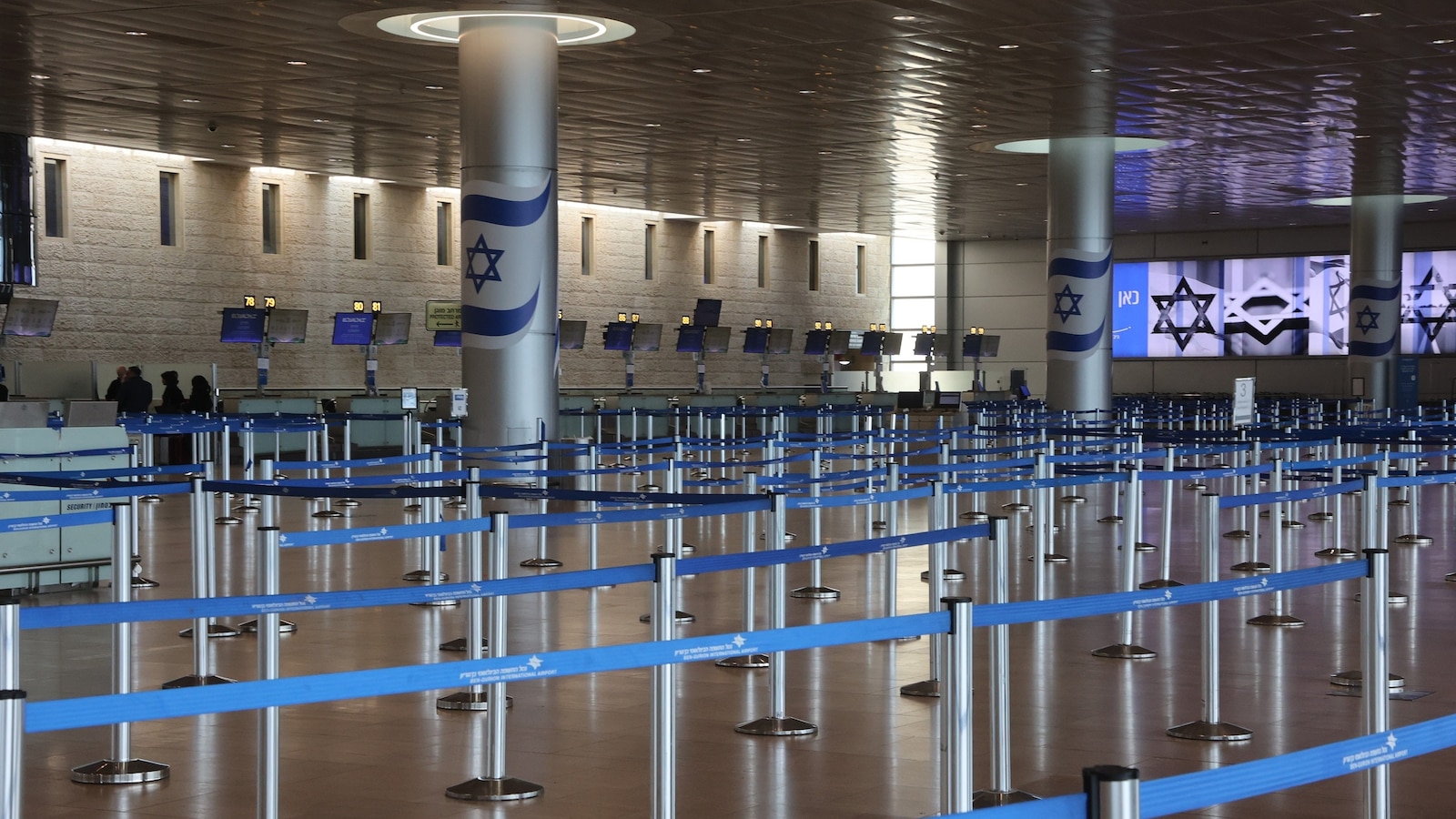
The Middle East is currently experiencing significant disruptions to commercial air travel, creating chaos for thousands of travelers worldwide. Airspace closures, mass flight cancellations, and regional instability have left countless passengers stranded at airports, desperately searching for alternative routes home or to their destinations. The situation has become so severe that it’s affecting not just regional carriers but international airlines that typically traverse Middle Eastern airspace. Major aviation hubs like Dubai International Airport and Ben Gurion International Airport have seen unusual activity, with planes grounded on tarmacs and terminals filled with confused and frustrated passengers. This unprecedented disruption has raised important questions about traveler rights, insurance coverage, and what options are available when geopolitical events throw carefully planned trips into disarray. For many travelers, this crisis has served as a wake-up call about the importance of understanding travel insurance policies and the protections they do—and critically, don’t—provide.
The Harsh Reality: War Exclusions in Travel Insurance
When most people purchase travel insurance, they assume they’re protected against any unforeseen circumstance that might disrupt their trip. Unfortunately, that assumption can be costly. According to Brian Kelly, founder of The Points Guy and a respected travel industry expert, the reality is far more limited than many travelers realize. “Unfortunately, war and related military actions are broadly excluded from coverage under almost every standard travel insurance policy,” Kelly explained in his interview with ABC News. This means that if your flight is canceled due to military conflict, airspace closures related to war, or regional instability involving armed forces, your standard travel insurance policy likely won’t help you recover your costs. The only exception, Kelly notes, is if travelers had the foresight to purchase a policy with a “cancel for any reason” benefit before their departure. These specialized policies, often significantly more expensive than standard coverage, provide broader protection but must typically be purchased within a specific timeframe after booking your trip. Without this enhanced coverage, travelers facing cancellations, evacuations, or additional expenses arising from military conflicts are generally on their own financially.
Taking Matters Into Your Own Hands: The Proactive Approach
Given the limitations of standard travel insurance when it comes to conflict-related disruptions, Kelly emphasizes the importance of being proactive and persistent in seeking refunds and reimbursements. His advice is straightforward but crucial: “Save every receipt and always ask for a refund, even if you’re not owed one.” This approach might seem overly optimistic, but Kelly’s reasoning is sound. He recommends submitting claims to every possible entity—the airline, your credit card company, your travel insurance provider—to see if any portion of your expenses might be covered. Different organizations have different policies and different levels of flexibility, especially during extraordinary circumstances. What one company denies, another might approve. The key is documentation and persistence. Keep records of everything: original booking confirmations, cancellation notices, receipts for additional expenses incurred due to disruptions, correspondence with airlines and hotels, and any other relevant documentation. This paper trail becomes invaluable when making multiple claims across different platforms. Kelly’s philosophy is simple: it never hurts to ask, and you might be surprised by what companies are willing to do, particularly when facing widespread customer service issues during a crisis.
Federal Protections You Already Have
While the news about war exclusions in travel insurance is discouraging, there’s a silver lining that many travelers don’t realize: they already have significant protections under U.S. federal law, regardless of whether they purchased trip insurance. Katy Nastro, a global travel expert with the flight price-tracking app Going, points out these often-overlooked rights. “You are already protected to get a full refund or rebooked on a significantly delayed flight or cancellation, regardless of the reason,” she told ABC News. This is an important distinction that many passengers don’t understand. When an airline cancels your flight or significantly delays it—whether due to mechanical issues, weather, staffing problems, or geopolitical events—you have the right to either a full refund or rebooking. The airline cannot force you to accept only a travel credit or voucher if you prefer a cash refund. These protections exist independent of any insurance policy you may have purchased. However, knowing your rights and actually exercising them are two different things. Airlines don’t always volunteer this information, especially when dealing with mass cancellations where refunding every passenger represents a significant financial hit. Travelers need to be informed and assertive, explicitly requesting refunds rather than accepting the first option offered, which is often a credit for future travel.
The Hidden Value of Travel Credit Cards
Beyond federal protections and traditional travel insurance, there’s another layer of coverage that many travelers overlook: the benefits built into their travel credit cards. Nastro highlights this often-underutilized resource, noting that “many travel credit cards already have built-in trip insurance that can protect you when the unexpected happens.” Premium travel cards, particularly those with annual fees, frequently include comprehensive trip protection benefits that can rival or even exceed standalone travel insurance policies. For example, Nastro specifically mentions the Chase Sapphire Reserve card, which provides “reimbursements up to $10,000 per person for pre-paid, non-refundable travel expenses when an interruption happens.” This coverage can be substantial, potentially covering flights, hotels, tours, and other prepaid expenses that become unusable due to trip interruptions. What makes credit card protections particularly valuable is that they often cover scenarios that traditional travel insurance excludes, and they may have fewer restrictions about what constitutes a covered event. Additionally, Nastro points out that credit card companies “often pay sooner than the airlines do for expenses due to misplaced bags,” meaning you could receive reimbursement for emergency purchases more quickly than through other channels. The key is understanding what your specific card offers—benefits vary widely between cards and issuers—and knowing how to file claims properly, which usually requires having charged the travel expenses to that particular card.
Preparing for Future Travel in Uncertain Times
The current Middle East travel crisis offers valuable lessons for anyone planning international travel, particularly to regions that might be affected by geopolitical instability. First and foremost, travelers should approach trip insurance with realistic expectations, understanding that standard policies have significant limitations, particularly regarding military conflicts and war. If you’re traveling to or through an area with any potential for conflict, seriously consider purchasing “cancel for any reason” coverage, despite the higher cost. Read your policy carefully before purchasing—not just the marketing materials, but the actual terms and conditions that spell out exclusions and coverage limits. Beyond insurance, make smart choices about how you book and pay for travel. Using a premium travel credit card with robust trip protection benefits adds an extra layer of security. Maintain flexibility in your travel plans when possible; booking refundable rates or tickets with flexible change policies provides options when disruptions occur. Stay informed about conditions at your destination and along your route, monitoring State Department advisories and travel warnings. Finally, always keep comprehensive documentation of your travel plans, expenses, and any disruptions you experience. In our interconnected world, where regional conflicts can have global implications for travel, being an informed and prepared traveler isn’t just smart—it’s essential for protecting both your safety and your financial investment in your trip.