


Trump Administration Plans State-of-the-Art Underground White House Visitor Screening Center
A Modern Welcome to the People’s House
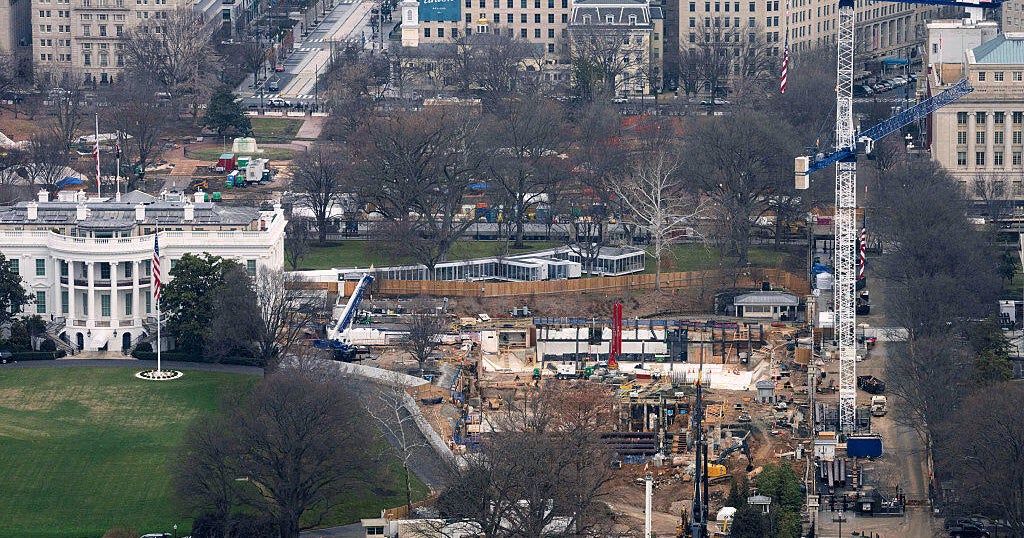
The Trump administration has unveiled ambitious plans to revolutionize how visitors experience their tours of the White House by constructing a sophisticated underground screening facility. This approximately 33,000-square-foot visitor center would be built entirely beneath Sherman Park, a green space located southeast of the iconic presidential residence. The National Capital Planning Commission (NCPC), the governing body responsible for approving all construction projects on federal land throughout the Washington, D.C. area, has scheduled consideration of these plans for their April 2 meeting. The project represents a collaborative effort between the Executive Office of the President, the U.S. Secret Service, the Department of the Interior, and the National Park Service, demonstrating the significant coordination required for such an undertaking. If approved, construction could potentially begin as soon as this fall, with an estimated completion date set for July 2028, giving visitors a completely transformed experience when touring one of America’s most historic buildings.
Ending the Era of Trailers and Tents
For years, visitors to the White House have endured what many considered a less-than-dignified entry process. Before being allowed inside the president’s residence, tourists would gather in the nearby park and then proceed through security checkpoints housed in temporary trailers and tents—a setup that was particularly uncomfortable during Washington’s notoriously hot summers and cold winters. The proposed underground facility aims to completely eliminate these makeshift arrangements by providing a permanent, weather-protected structure that befits the significance of the White House itself. The new screening center would feature multiple entry lanes where visitors can queue for an initial identification check before advancing to a modern lobby area and subsequent security checkpoint. The design specifically accommodates large groups, recognizing that White House tours often involve school groups, tourists, and other organized parties. Currently, due to ongoing construction of the White House’s new East Wing ballroom—another Trump administration project—visitors are temporarily gathering at an alternate location in Lafayette Park, making the need for a permanent, well-designed solution even more apparent.
Presidential Commitment to the Visitor Experience
White House spokesman Davis Ingle articulated the administration’s vision for the project in a statement to CBS News, emphasizing President Trump’s personal commitment to upgrading how Americans experience their visit to what is often called “the People’s House.” According to Ingle, the current system has provided visitors with “a reduced experience” for far too long, forcing them to begin their tours in conditions that don’t reflect the dignity and importance of the presidential residence. The spokesman emphasized that President Trump “took it upon himself to modernize the experience for visitors touring the People’s House from beginning to end,” demonstrating a hands-on approach to this infrastructure improvement. The new visitor center is being designed as a “state of the art” facility that will not only provide enhanced security screening but will also highlight “the beautiful history of the White House and our Nation’s Capital.” This dual purpose—combining necessary security measures with educational and aesthetic elements—suggests that the underground facility will be far more than just a checkpoint, potentially featuring exhibits, historical information, and interpretive displays that begin educating visitors about the White House even before they enter the building itself.
Preserving History While Building for the Future
One of the most delicate aspects of any construction project in Washington, D.C., particularly near the White House, involves balancing modern needs with historical preservation. The NCPC has emphasized its commitment to mitigating the facility’s impact on the area’s historic sites and character. According to the detailed plans, the existing statue of Union General William Tecumseh Sherman, a prominent feature of Sherman Park, would remain untouched in its current location, preserving this memorial to the Civil War military leader. However, the construction will necessitate some changes to the landscape, including the removal of at least six trees, which the plans promise will be replaced with “suitable native species and landscaping” to maintain the park’s natural character. Beyond these specific measures, the plans also include broader landscape restoration efforts designed to “enhance the park’s character” rather than diminish it. The planning documents specifically address concerns about “visitor use and aesthetic appeal,” committing to maintaining public access to the park throughout and after construction while ensuring that no above-ground structures would detract from the surrounding historic buildings and monuments that make this area of Washington so significant.
Questions About Cost and Funding
Despite the detailed architectural and landscape plans that have been submitted to the NCPC, one significant detail remains conspicuously absent from the public documentation: the project’s estimated cost and funding source. The NCPC’s publicly available plans do not include financial information, leaving taxpayers and critics without clarity on how much this underground facility will cost or which budget it will draw from. This lack of transparency regarding the financial aspects of the project may become a point of contention as the plans move forward through the approval process. Major construction projects in the nation’s capital typically require substantial funding, and an underground facility of this size and sophistication—complete with multiple screening lanes, a lobby, advanced security equipment, and potentially educational exhibits—would represent a significant investment. The question of whether funding will come from White House operational budgets, security appropriations, general federal construction funds, or some combination of sources remains unanswered. As with many government infrastructure projects, the eventual cost may also exceed initial estimates once construction challenges, security requirements, and the complexities of building beneath a historic park are fully accounted for.
Context of Broader Washington Construction Controversies
The proposed underground visitor screening center doesn’t exist in isolation but rather represents one element of a broader pattern of ambitious Trump administration construction projects throughout the nation’s capital. The administration is currently facing significant backlash and multiple legal challenges over several other high-profile building initiatives in Washington. These include the ongoing construction of a new East Wing ballroom at the White House itself—visible construction that has already altered the building’s exterior profile—as well as a planned two-year renovation of the Kennedy Center for the Performing Arts, the nation’s cultural center and a living memorial to President John F. Kennedy. Perhaps most controversially, the administration has explored the possibility of constructing a triumphal arch somewhere in the capital, a project that has drawn particular criticism for its associations with authoritarian symbolism and questions about its appropriateness in the American democratic context. These various projects collectively represent the Trump administration’s vision for reshaping parts of Washington’s physical landscape, but they have also sparked debates about presidential authority over federal buildings and monuments, the appropriate use of taxpayer funds, historical preservation principles, and whether these construction initiatives serve necessary functions or represent vanity projects. The underground visitor screening facility, while arguably the most functionally justified of these various proposals given legitimate security concerns and the inadequacy of current temporary screening arrangements, will likely be evaluated by critics and supporters alike through the lens of these broader controversies surrounding Trump administration construction ambitions in the capital.