



Why Your Weekly Shop Will Cost More
The Rising Reality of Grocery Bills
If you’ve noticed your grocery receipt getting longer and your wallet feeling lighter lately, you’re not alone. Millions of households across the country are experiencing the same sticker shock at checkout counters, and unfortunately, this trend shows no signs of slowing down anytime soon. The weekly food shop, once a routine expense that families could budget for with relative predictability, has become an increasingly significant financial burden. What used to cost £80 now easily surpasses £100, and for larger families, the numbers are even more alarming. This isn’t just about one or two items becoming more expensive – it’s a comprehensive increase affecting virtually everything from fresh produce to pantry staples, dairy products to cleaning supplies. Understanding why this is happening requires looking at a complex web of interconnected factors that have created a perfect storm of rising costs. From international supply chain disruptions to energy price hikes, from labor shortages to climate change impacts, the reasons behind your growing grocery bill are numerous and multifaceted. For everyday shoppers trying to make ends meet, these increases aren’t just statistics or economic indicators – they represent real choices about what to put on the dinner table, whether to buy the brand you trust or switch to cheaper alternatives, and how to stretch every pound further than you did last month.
Supply Chain Chaos and Global Disruptions
One of the primary culprits behind rising grocery costs is the ongoing disruption to global supply chains that began during the pandemic and has never fully recovered. When COVID-19 first hit, factories shut down, borders closed, and the intricate network of suppliers, manufacturers, and distributors that we all took for granted suddenly ground to a halt. While many restrictions have since lifted, the supply chain hasn’t simply bounced back to normal. Container shortages, port congestion, and transportation bottlenecks continue to plague the movement of goods around the world. When products can’t move efficiently from where they’re produced to where they’re sold, costs inevitably rise, and those costs get passed directly to consumers. Think about the journey of something as simple as coffee beans: they’re grown in one country, processed in another, packaged somewhere else, and then shipped thousands of miles to your local supermarket. Any disruption along that chain – a delayed shipment, a shortage of truck drivers, customs delays – adds time and money to the process. Furthermore, many products on our shelves contain ingredients or components from multiple countries. Your favorite chocolate bar might contain cocoa from Africa, sugar from South America, and milk from Europe, all of which need to come together in a factory before being distributed to stores. When any link in these complex chains breaks or slows down, the entire system becomes more expensive to operate. Geopolitical tensions, including wars and trade disputes, have further complicated matters, creating uncertainty and additional costs that ultimately find their way into the prices we pay at the register.
Energy Costs Rippling Through Everything
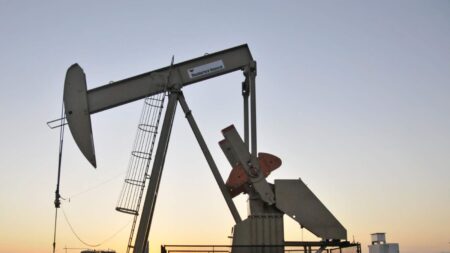
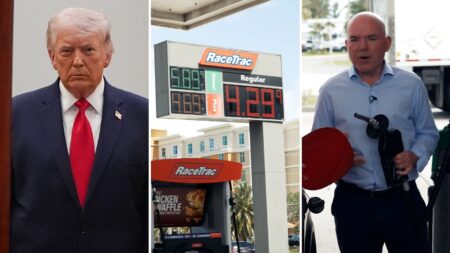
Energy prices have skyrocketed in recent years, and their impact on grocery costs cannot be overstated. When we think about energy costs, we might picture our home heating bills or the price at the petrol pump, but energy is woven into every aspect of food production and distribution. Farms need fuel to operate machinery, electricity to power irrigation systems, and gas to heat greenhouses where off-season produce is grown. Food processing facilities are energy-intensive operations, requiring power for refrigeration, cooking, packaging, and sanitation. Then there’s the transportation sector, where trucks, ships, and planes all require increasingly expensive fuel to move products from farms to factories to distribution centers to stores. Supermarkets themselves are major energy consumers, with massive refrigeration systems running around the clock to keep perishable items fresh. When energy costs rise dramatically, as they have following geopolitical disruptions and the global shift away from certain energy sources, every single one of these stages becomes more expensive. A dairy farmer pays more to run milking equipment and cool the milk; the processor pays more to pasteurize and package it; the trucker pays more to deliver it; and the store pays more to keep it refrigerated on the shelf. Each of these increased costs gets factored into the final price you pay for a carton of milk. The situation has been exacerbated by volatile energy markets where prices can swing wildly based on international politics, weather events affecting energy production, and the ongoing transition to renewable energy sources, which, while necessary for the future, comes with short-term cost implications that are being felt throughout the economy.
Climate Change and Agricultural Challenges
Climate change is no longer a distant threat – it’s a present reality that’s directly affecting food production and, consequently, what you pay for groceries. Extreme weather events are becoming more frequent and severe, wreaking havoc on agricultural production worldwide. Droughts in major grain-producing regions have devastated wheat and corn crops, driving up prices for these staples and everything made from them. Heat waves have stressed livestock and reduced dairy production while simultaneously increasing the cost of keeping animals healthy and fed. Conversely, excessive rainfall and flooding have destroyed crops, contaminated fields, and delayed planting seasons in other regions. These aren’t isolated incidents happening once every decade; they’re becoming annual occurrences that farmers must contend with, plan for, and ultimately pass the costs along to consumers. The unpredictability of weather patterns makes it harder for farmers to plan crops and for producers to secure steady supplies of ingredients, leading to price volatility. Additionally, changing temperatures are affecting where certain crops can be successfully grown, forcing agricultural shifts that take time and investment. Pest populations are also changing, with warmer temperatures allowing insects that damage crops to survive in new regions and for longer periods, requiring more pest control measures that add to production costs. Water scarcity is becoming a critical issue in many farming regions, forcing expensive irrigation solutions or crop changes. The fishing industry faces similar challenges as ocean temperatures rise and fish populations migrate to different waters, making catches less predictable and more expensive. All of these climate-related factors create instability in food production, and instability inevitably drives prices upward as producers need to cover their increased risks and costs.
Labor Shortages and Wage Pressures
The labor market has fundamentally changed in recent years, and these shifts are significantly impacting food prices. Across the entire food supply chain – from farms to processing plants to distribution centers to retail stores – employers are struggling to find and keep workers. The pandemic prompted many people to reassess their careers, with workers in low-paying, physically demanding jobs often choosing to leave the food industry for better opportunities elsewhere. This has created genuine labor shortages that persist even as economies have reopened. To attract and retain workers, employers throughout the supply chain have had to raise wages, increase benefits, and improve working conditions – all positive developments for workers but ones that add to operational costs. On farms, particularly those relying on seasonal labor for harvesting, worker shortages have sometimes meant crops rotting in fields because there weren’t enough people to pick them. Processing facilities have reduced their output because they can’t staff all their production lines. Distribution centers and stores have struggled with stocking issues and reduced operating hours due to insufficient employees. When you can’t produce or distribute as much with the workforce you have, the costs per unit of what you do produce increase. Moreover, the tight labor market means workers have more bargaining power, leading to wage increases across the board – from the person stocking shelves to the truck driver delivering goods to the cashier at checkout. These wage increases, while necessary to provide workers with fair compensation, do contribute to higher prices because labor is such a significant component of the food retail sector. Retailers are caught between the need to pay competitive wages to maintain their workforce and the pressure to keep prices affordable for customers who are already stretched thin.
What This Means for Your Household Budget
The cumulative effect of all these factors means that grocery shopping requires more careful planning and budgeting than ever before. Families are adapting in various ways – switching from name brands to store brands, buying in bulk when possible to take advantage of lower per-unit costs, shopping at multiple stores to catch the best deals, and reducing food waste by planning meals more carefully around what they already have. The psychological impact shouldn’t be underestimated either; the stress of watching your budget strain under rising food costs affects mental health and overall wellbeing. Parents worry about providing nutritious meals for their children while staying within budget. Elderly people on fixed incomes are forced to make difficult choices between food and other necessities. Young people trying to establish independent households find it harder to afford basic groceries even while earning decent wages. The social implications are significant, with food bank usage increasing even among working families who never imagined needing such assistance. Looking ahead, there’s little reason to expect dramatic relief in the near term. While some supply chain issues may gradually resolve, others – particularly those related to energy transitions and climate change – are likely to persist or even worsen. The best approach for individuals and families is to stay informed about why prices are rising, develop flexible shopping strategies, focus on nutritious staples rather than processed convenience foods when possible, and advocate for policy changes that might address some of the underlying causes. Understanding that these price increases stem from real, complex challenges rather than simple greed or market manipulation can help us respond more effectively both as consumers and as citizens engaging with larger economic and environmental issues that affect us all.