
A Second Chance: How a Living Donor Liver Transplant Gave One Cancer Patient Hope
An Unexpected Diagnosis Changes Everything
Amy Piccioli’s life took an unexpected turn in May 2024 when what seemed like a routine emergency room visit for dehydration revealed devastating news. The Los Angeles mother of three was diagnosed with Stage 4 colorectal cancer at just 39 years old. During imaging at the hospital, doctors discovered a mass in her colon that had already spread, causing multiple lesions throughout her liver. What made the diagnosis even more shocking was that Piccioli had experienced no typical warning signs or symptoms beforehand. “I had no symptoms of colon cancer, nothing,” she recalled, emphasizing how attentive she normally was to changes in her body. With no family history of the disease, the diagnosis came as a complete surprise to both Piccioli and her medical team. Her case represents a growing and concerning trend in the United States, where colorectal cancer has become the third-leading cause of cancer-related deaths in men and the fourth-leading cause in women. When statistics for both genders are combined, it ranks as the second-most common cause of cancer deaths nationwide, making it a significant public health concern that affects thousands of families each year.
Rising Cases Among Younger Americans
Piccioli’s diagnosis at age 39 places her within a troubling pattern that medical researchers have been tracking with increasing concern. According to the American Cancer Society, cases of colorectal cancer among younger people have been rising significantly in recent years, defying previous expectations that this disease primarily affected older populations. This shift has prompted the medical community to reconsider screening recommendations and increase awareness about the disease among younger demographics. The Centers for Disease Control and Prevention has identified various symptoms that people should watch for, including changes in bowel movements, bloody stool, diarrhea, constipation, abdominal pain, unexplained aches and cramps, and weight loss without trying. However, as Piccioli’s case demonstrates, the disease can sometimes progress without presenting obvious symptoms, making it particularly dangerous and emphasizing the importance of regular screening and medical check-ups. The increasing incidence among younger adults has raised questions within the medical community about lifestyle factors, environmental influences, and genetic components that might be contributing to this upward trend.
A Pioneering Treatment Approach
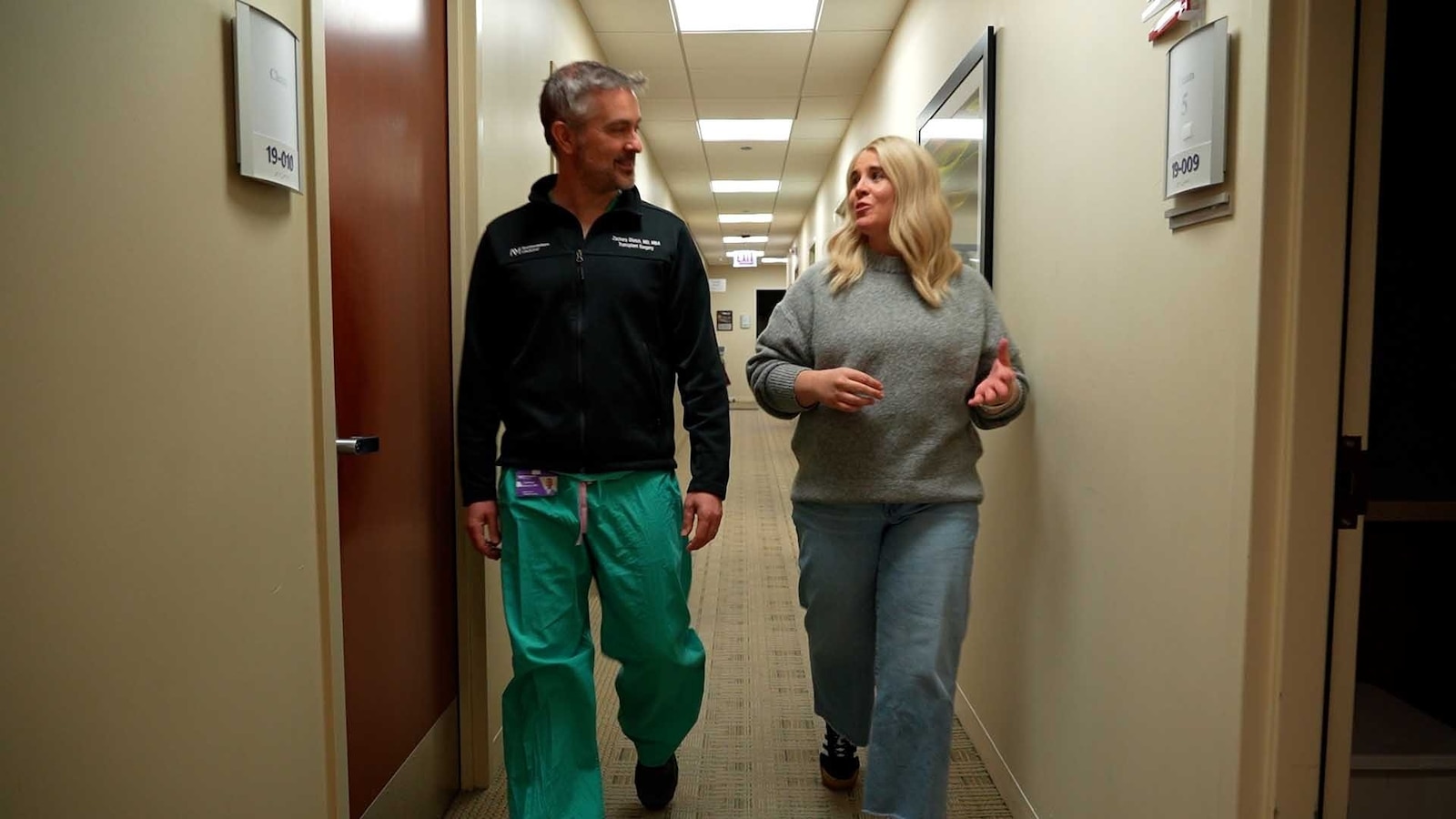
After receiving her diagnosis, Piccioli embarked on an aggressive treatment journey that included multiple rounds of chemotherapy and immunotherapy medication. However, she and her medical team also began exploring more innovative treatment options, including the possibility of a liver transplant. This search led her to Northwestern Medicine in Chicago, home to one of the only specialized programs in the United States offering liver transplants specifically for patients with colorectal cancer that has metastasized to the liver. Dr. Zachary Dietch, an assistant professor of surgery and abdominal organ transplant surgeon at Northwestern Medicine who became part of Piccioli’s treatment team, explained that traditional treatment options for her condition offered “very poor chances at long-term survival.” He emphasized that liver transplantation represents a potentially lifesaving and even curative treatment for patients facing otherwise dismal prognoses with limited alternatives. Dr. Dietch expressed hope that success stories like Piccioli’s would help spread awareness about this treatment option, ensuring that more patients and their families know about this possibility when facing similar diagnoses. The specialized nature of this program highlights how cutting-edge medical research and innovative treatment approaches can offer hope to patients who might otherwise have few options remaining.
A Friend’s Extraordinary Gift
As Piccioli pursued the transplant option, she faced the challenge that confronts all transplant candidates: finding a suitable donor. In her case, the answer came from an unexpected but heartwarming source. Lauren Prior, a 37-year-old mother of three from Glenview, Illinois, and a close family friend of Piccioli’s, stepped forward to be tested as a potential donor. When the results came back showing that Prior was a match, it opened the door for a living donor transplant that could potentially save Piccioli’s life. Prior’s decision to donate part of her liver exemplifies the profound impact that living organ donation can have on both recipients and their families. Speaking about her decision, Prior demonstrated remarkable humility and compassion, describing her donation as “such a small sacrifice to make that could potentially save someone’s life, or at least improve their quality of life.” She emphasized that the positive impact one person can have on another’s life through organ donation is incredible and absolutely worth any temporary discomfort or inconvenience. The two friends discovered their compatibility last fall, and in December, they underwent their respective surgical procedures at Northwestern Medicine, with Prior as the donor and Piccioli as the recipient.
The Surgery and Recovery Journey
The transplant surgery itself was a complex medical undertaking that required precise coordination between surgical teams. During the procedure, surgeons removed a portion of Prior’s healthy liver and transplanted it into Piccioli after removing her cancer-affected liver entirely. The liver’s unique ability to regenerate made this living donor transplant possible, as both the donated portion in Piccioli’s body and the remaining portion in Prior’s body would eventually grow back to near-normal size. Three months after the surgery, Piccioli received remarkable news from her medical team: she currently shows no evidence of disease. While she continues to take anti-rejection medication to prevent her body from rejecting the transplanted liver tissue and will require ongoing monitoring to ensure the transplant remains successful and the cancer doesn’t return, Piccioli reports feeling “completely back to normal.” Dr. Dietch confirmed that his patient has been “doing fantastic,” a testament both to the success of the innovative treatment approach and to Piccioli’s resilience throughout her cancer journey. The surgery represents not just a medical success but also a triumph of friendship, compassion, and the remarkable possibilities of modern transplant medicine.
Looking Forward with Hope and Gratitude
Today, Amy Piccioli looks toward the future with renewed hope and a transformed perspective on life. “I’m just looking forward to living my life again without cancer being at the forefront of my mind,” she shared, expressing the relief that comes from emerging from a life-threatening diagnosis with a genuine chance at long-term survival. Beyond her personal relief, Piccioli hopes her story will inspire others facing cancer diagnoses, offering them hope during what may be the darkest period of their lives. She acknowledged that receiving a cancer diagnosis “is the worst thing” someone can experience, but she also reflected on how the experience has fundamentally changed her outlook on life. With remarkable positivity, she expressed actual gratitude that this challenge came at a relatively young age, giving her time to reassess her priorities, appreciate what truly matters, and make meaningful changes in how she lives her life. Her journey from a shocking emergency room diagnosis to becoming cancer-free through an innovative transplant procedure illustrates both the advances in modern medicine and the power of human connection and generosity. As she continues her recovery surrounded by her three children and supported by friends like Lauren Prior, Piccioli’s story serves as a beacon of hope for others facing similar diagnoses and a reminder of the life-saving potential of organ donation.