


The Sacred Tradition: How the Catholic Church Elects a New Pope
A Rich History of Papal Elections
The process of selecting a new pope is one of the Catholic Church’s most fascinating and carefully guarded traditions, combining ancient rituals that have endured for centuries with practical modifications that bring the procedure into the modern era. While the Church itself has existed for nearly two thousand years, the method for choosing its supreme leader has evolved significantly during that time. What we see today represents a remarkable blend of historical customs and contemporary adjustments, with the most recent changes implemented as recently as 2013 under Pope Benedict XVI. These modifications ensured that the election process remained relevant and functional for today’s global Church, while still maintaining the sacred dignity and spiritual significance that has always characterized this momentous event. Despite these updates and revisions over the centuries, the core essence of how a pope is chosen has remained remarkably consistent, preserving the solemnity and spiritual gravity that such an important decision demands.
The Period of Mourning and Transition
When Pope Francis or any sitting pope passes away, the Catholic Church immediately enters what is known as the interregnum – a carefully structured period that begins at the moment of the pope’s death and continues until his successor is officially elected and introduced to the world. During this time, the Church operates in what is called sede vacante, a Latin phrase meaning “vacant seat,” acknowledging that the throne of St. Peter temporarily has no occupant. The first responsibility falls to the cardinal camerlengo, or chamberlain, who serves as a kind of temporary administrator. This cardinal has the solemn duty of ritually confirming the pope’s death, following traditions that have been observed for generations. Once the death is verified, the camerlengo assumes responsibility for managing the day-to-day operations of the Vatican city-state, ensuring that the business of the Church continues smoothly during this transitional period.
Following this verification, the Church begins a traditional nine-day period of mourning, allowing Catholics worldwide to grieve the loss of their spiritual leader and reflect on his life and papacy. During these nine days, the deceased pope’s body lies in state in St. Peter’s Basilica, one of the most sacred sites in Christianity, where the faithful can come to pay their final respects. The pope’s funeral itself is traditionally held within four to six days of his passing, providing enough time for world leaders, dignitaries, and representatives from nations across the globe to make arrangements to attend. This waiting period serves a dual purpose: it honors the deceased pontiff with the appropriate ceremonial dignity while also allowing the international community to participate in the farewell to a figure who held not just religious significance but also considerable moral and diplomatic influence worldwide.
Gathering the Cardinals for Conclave
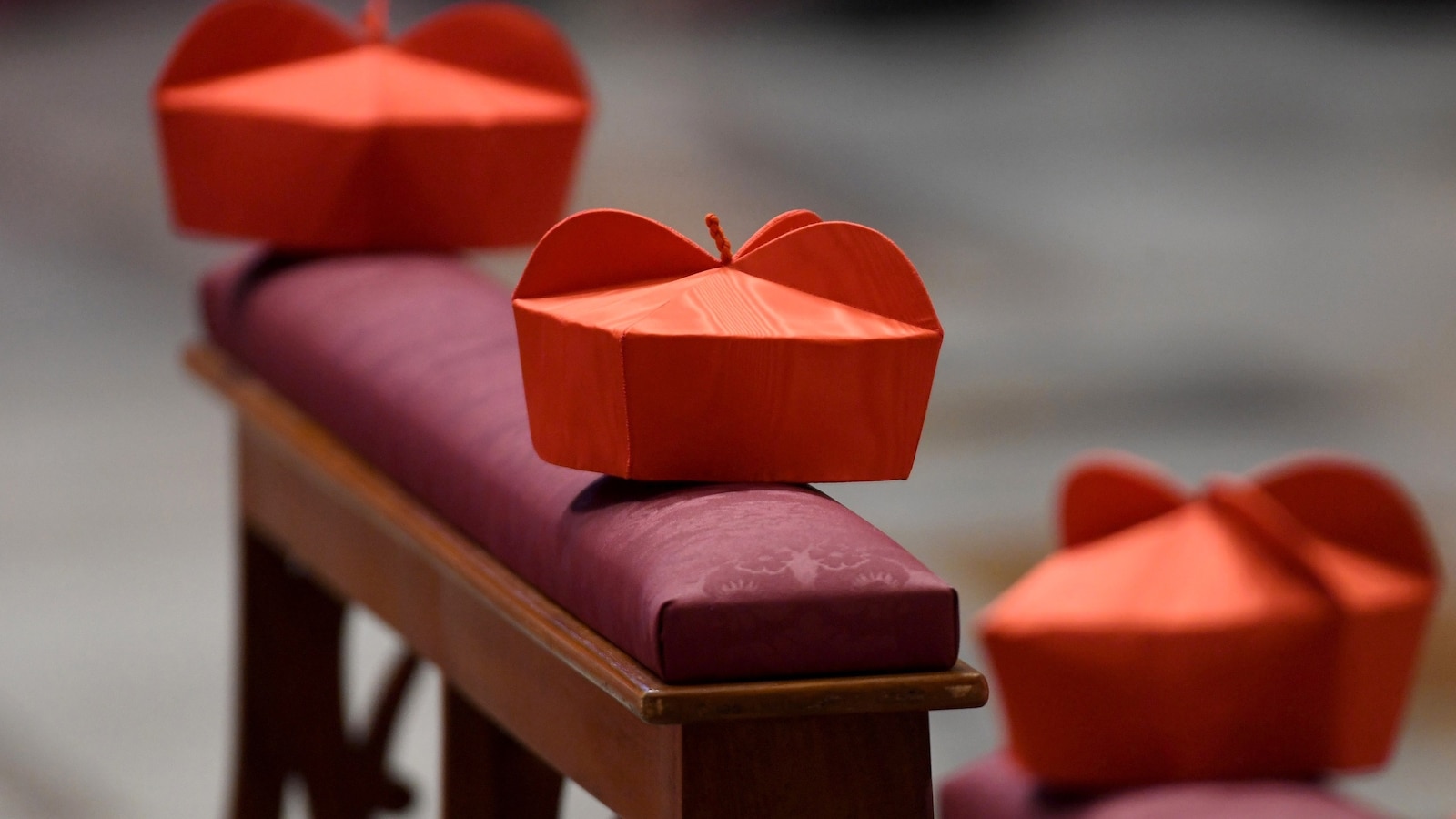
While the mourning period unfolds, another crucial process begins: assembling the College of Cardinals who will be responsible for choosing the next pope. All cardinals who are under the age of 80 and therefore eligible to participate in the election receive a summons to Rome. This age restriction, while it may seem arbitrary, ensures that the electors are still actively engaged in Church affairs and possess the physical and mental stamina required for what can be a demanding process. The cardinals begin arriving from every corner of the globe, representing the worldwide nature of the Catholic Church, and they gather typically between fifteen and twenty days after the pope’s death to begin preparing for the sacred task ahead.
The conclave itself takes place in the Sistine Chapel, the same magnificent space adorned with Michelangelo’s breathtaking frescoes that has witnessed numerous papal elections throughout history. The very word “conclave” comes from the Latin “cum clave,” meaning “with a key,” referring to the locked and secured nature of the proceedings. During their time in Rome for the conclave, the cardinals reside in the Domus Sanctae Marthae, which essentially functions as a residence hotel within Vatican City, complete with private rooms and dining facilities that normally accommodate visiting clergy and lay visitors. However, this is no ordinary hotel stay. Following centuries-old tradition designed to ensure the integrity and spiritual focus of the election, the cardinals are completely cut off from the outside world. They have no access to television, telephones, computers, or newspapers – no means of external communication whatsoever. This isolation serves to protect them from outside influence and pressure, allowing them to focus entirely on prayer, reflection, and the monumental decision they must make, guided solely by their faith and the inspiration of the Holy Spirit.
The Voting Process and the Sacred Smoke Signals
Once the conclave formally begins, the cardinals may cast up to four ballots per day in their quest to elect the new pope. This deliberate pace allows time for prayer, contemplation, and discussion between voting sessions. The requirement for election is a two-thirds majority, a threshold that ensures the new pope has substantial support among his fellow cardinals rather than merely winning by a slim margin. This supermajority requirement often means that multiple rounds of voting are necessary before a consensus emerges around a particular candidate.
One of the most visually iconic aspects of the papal election is the smoke signal tradition that communicates the conclave’s progress to the waiting world outside. After each round of voting, the ballots are ceremonially burned in a special stove, and the resulting smoke is released through a chimney on the roof of the Sistine Chapel. The color of this smoke has captivated crowds gathered in St. Peter’s Square for generations. Black smoke – fumata nera in Italian – tells the waiting faithful that no pope has yet been chosen, that the voting was inconclusive, and that the cardinals will continue their deliberations. White smoke – fumata bianca – is the joyous signal everyone awaits, announcing that the College of Cardinals has successfully elected a new pontiff. If three full days pass without a successful election, the rules allow for a one-day pause in the voting, giving the cardinals time for deeper prayer and reflection before they resume casting ballots. This provision acknowledges the spiritual and emotional demands of the process while preventing indefinite deadlock.
The Acceptance and Papal Name
When the ballots finally produce the required two-thirds majority for a particular cardinal, that moment marks just the beginning of his papacy, not its completion. The newly elected candidate must first formally accept the position – a requirement that acknowledges the immense burden and responsibility being placed upon him. The acceptance occurs privately within the Sistine Chapel, where the dean of the College of Cardinals poses the formal question to the elect, asking if he accepts his election as Supreme Pontiff. Assuming he accepts – and historically, the position has been declined in rare instances – he must then choose his papal name.
This selection of a new name is laden with significance and tradition. While canon law permits a pope to retain his baptismal name, this hasn’t occurred in 470 years. Instead, every pope for nearly five centuries has chosen to adopt a new name upon his election, typically selecting one that honors a predecessor whose example he wishes to emulate or whose values he hopes to embody during his own papacy. The chosen name often provides the first public indication of the new pope’s priorities and the direction he intends to take the Church. For instance, when Cardinal Jorge Mario Bergoglio chose the name Francis in 2013, it immediately signaled his focus on the poor and marginalized, honoring St. Francis of Assisi’s commitment to simplicity and service to the least fortunate.
The Joyful Announcement to the World
The interregnum officially concludes with one of the most anticipated and joyful moments in Catholic tradition: the new pope’s first public appearance. After the white smoke has sent crowds in St. Peter’s Square into celebration, the senior cardinal deacon makes his way to the central balcony of St. Peter’s Basilica, which overlooks the vast square below where tens of thousands of faithful have gathered in expectation. In a moment charged with drama and joy, he delivers the traditional Latin proclamation: “Habemus papam” – “We have a pope.” He then announces the new pontiff’s chosen name, and the square erupts in jubilation as the new pope himself steps onto the balcony for the first time in his new role. This appearance, where he offers his first blessing to the crowd as pope, represents the formal beginning of his papacy and the end of the Church’s period without a shepherd. It’s a moment that connects today’s modern Church with an unbroken chain of tradition stretching back through the centuries, demonstrating how ancient customs continue to hold profound meaning in our contemporary world while guiding one of the planet’s oldest and largest institutions through times of transition and renewal.