



Ukraine’s President Zelenskyy Navigates Complex Peace Talks Amid Shifting Global Priorities
Ready for Peace, Waiting on World Powers
Ukrainian President Volodymyr Zelenskyy has made it clear that Ukraine is ready and willing to move forward with the next round of peace negotiations to end Russia’s devastating invasion, which has now stretched beyond four years. In comments released over the weekend, Zelenskyy expressed his frustration with the current stalemate, emphasizing that while Ukraine stands prepared to participate, the real holdup lies with Washington and Moscow finding common ground on the logistics. The Ukrainian leader explained that the United States had initially offered to host the upcoming trilateral meeting between American, Ukrainian, and Russian negotiating teams—talks that would include prominent U.S. envoys Steve Witkoff and Jared Kushner. However, Moscow has flatly refused to send a delegation to American soil, creating an impasse that has stalled progress toward a potential resolution to the conflict.
During a media briefing on Saturday, Zelenskyy outlined the current situation with a mixture of patience and determination. “We are waiting for a response from the Americans,” he stated. “Either they will change the country where we meet, or the Russians must confirm the U.S.” His words reflected Ukraine’s position as a nation caught between two powerful players, eager to find peace but dependent on the willingness of both Washington and Moscow to compromise on even the most basic details of where to hold talks. Zelenskyy was careful to emphasize that Ukraine wasn’t blocking any initiatives and genuinely wanted the trilateral meeting to take place. This statement underscores the Ukrainian government’s commitment to diplomatic solutions, even after years of devastating warfare that has claimed countless lives and displaced millions of Ukrainians from their homes.
Middle East Conflict Overshadows Ukraine’s Struggle
The path to peace has become even more complicated due to recent developments in the Middle East that have effectively pushed Ukraine’s plight out of the international spotlight. The United States has postponed its sponsored talks between Ukraine and Russia because of the escalating Iran war, which erupted on February 28 following U.S.-Israeli strikes on Iran. This new conflict has quickly spread across the region, capturing the world’s attention and diplomatic resources at a critical moment for Ukraine. For a country that has depended heavily on sustained international support to resist Russia’s superior military forces, this shift in global focus represents a significant challenge. The war in Ukraine, which once dominated headlines and prompted unprecedented Western unity in support of Kyiv, now finds itself competing for attention and resources with another major crisis.
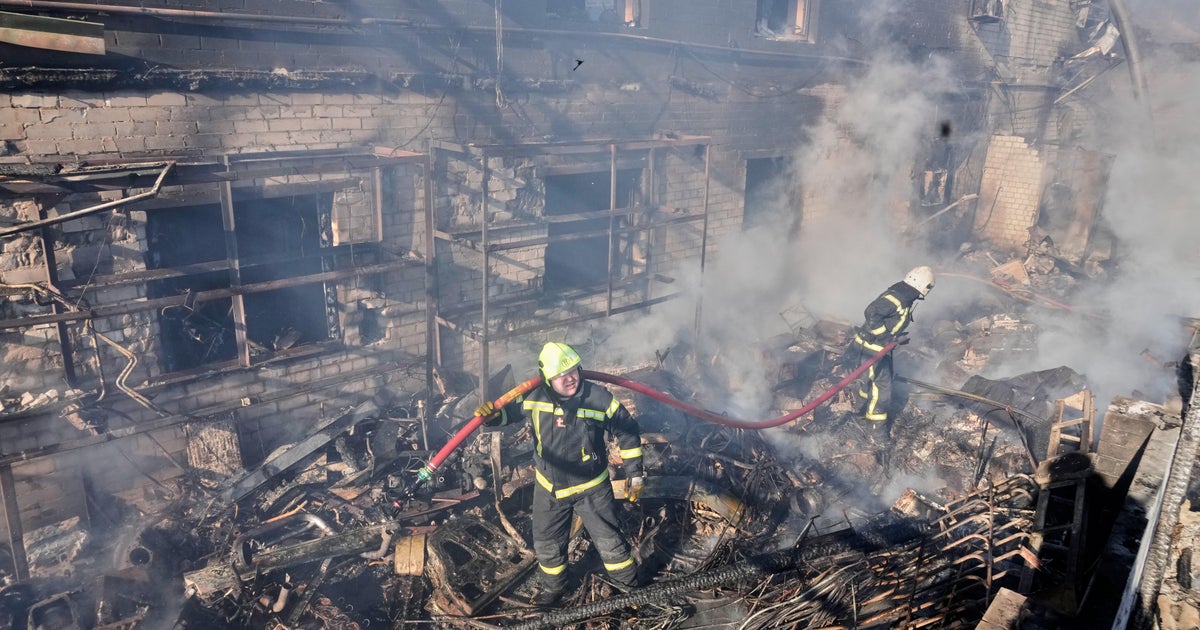
This geopolitical reshuffling has profound implications for Ukraine’s ability to defend itself. Zelenskyy warned journalists about the “very high” risk that the Iran war could significantly drain the air defense stockpiles that Ukraine desperately depends on to counter Russian missile strikes. These aren’t abstract concerns—they represent the real, tangible threat that Ukrainian cities and civilians face daily as Russian forces continue their relentless bombardment of infrastructure and residential areas. The Ukrainian president admitted that he currently lacks a clear picture of what air defense resources remain available to his country, a troubling uncertainty for a nation under constant aerial assault. This lack of clarity about defensive capabilities puts Ukraine in an extraordinarily vulnerable position, forcing its leadership to explore alternative solutions even as traditional support channels become strained by competing global priorities.
Searching for Alternatives in Air Defense
Recognizing the potential crisis in air defense capabilities, Zelenskyy has been actively seeking alternatives to the American-made systems Ukraine has relied upon throughout the conflict. During a meeting with French President Emmanuel Macron in Paris on Friday, the Ukrainian leader discussed whether France’s SAMP/T air defense systems could serve as a viable substitute for the U.S.-made Patriot batteries that have been crucial for intercepting Russian ballistic missiles. This conversation represents Ukraine’s pragmatic approach to its defense needs—while preferring not to lose American support, the country must prepare for multiple scenarios and diversify its sources of critical military hardware. Zelenskyy indicated that Ukraine would be “first in line” to test any workable alternative, demonstrating both the urgency of the situation and Ukraine’s willingness to serve as a proving ground for new defensive technologies.
The search for alternative air defense systems highlights a broader challenge facing Ukraine: maintaining defensive capabilities while navigating the complex politics of international military support. Air defense has become one of the most critical aspects of Ukraine’s survival strategy, as Russia has increasingly relied on missile and drone strikes to target civilian infrastructure, energy facilities, and residential areas throughout the country. These attacks have been designed not just to achieve military objectives but to break the will of the Ukrainian people by making ordinary life unbearable through the destruction of heating, electricity, and water systems, particularly during harsh winter months. Without adequate air defense, Ukrainian cities become sitting ducks for these terror tactics, making the question of where these systems come from less important than simply ensuring they’re available in sufficient numbers.
Tensions Over Defense Technology Cooperation
An interesting subplot has emerged in recent days regarding defense technology cooperation between Ukraine and the United States, specifically concerning drone technology. President Trump recently asserted in a Fox News Radio interview that aired Friday that Washington does not need Ukrainian drone technology, stating bluntly, “No, we don’t need their help on drone defense.” This public dismissal appears to contradict the reality of behind-the-scenes communications between the two countries, and Zelenskyy didn’t hesitate to push back against this characterization. The Ukrainian president revealed that Washington had actually reached out to Ukraine “several times” requesting assistance for particular countries or support for Americans, though he declined to provide specific details about these requests. According to Zelenskyy, these requests had come from various U.S. military institutions directly to Ukraine’s Ministry of Defense and other military leaders, and Ukraine had responded positively to all of them.
This discrepancy between Trump’s public statements and the apparent reality of military-to-military communications reveals the complicated dynamics at play in U.S.-Ukraine relations. Zelenskyy disclosed that he had offered Washington a substantial defense cooperation deal last year valued between $35 billion and $50 billion. This proposed agreement would have given the U.S. administration access to technology from roughly 200 Ukrainian companies specializing in drones, artificial intelligence, and electronic warfare—areas where Ukraine has made remarkable innovations out of necessity during the conflict. The deal was structured so that half of all production would be earmarked for partners, primarily the United States, representing a significant potential benefit to American defense capabilities. According to the Ukrainian leader, American military officials had expressed strong interest in this proposal, and Trump himself had initially indicated he was receptive to the arrangement.
The Uncertain Future of Strategic Partnerships
The fate of this ambitious defense cooperation proposal remains unclear, adding another layer of uncertainty to Ukraine’s strategic position. “We received a message from them, and directly from the president as well, that they are interested,” Zelenskyy told reporters, referring to positive initial reactions from American officials and Trump personally. However, the deal was never finalized, leaving Zelenskyy without clear answers about why the promising discussions failed to produce a signed agreement. “We did not sign the document with President Trump. I do not have an answer as to why. Perhaps it will happen later, but I am not sure,” he admitted, his words reflecting both diplomatic restraint and genuine puzzlement about the outcome. This situation exemplifies the challenges Ukraine faces in securing long-term commitments from international partners, even when those partnerships appear to offer mutual benefits.
The value Ukraine has developed in drone and electronic warfare technology cannot be overstated. Years of constant warfare against a larger, better-equipped adversary have forced Ukrainian engineers, tech entrepreneurs, and military innovators to develop creative solutions that have surprised military analysts worldwide. Ukrainian drones have proven remarkably effective against Russian armored vehicles, naval vessels, and even aircraft, often at a fraction of the cost of traditional weapons systems. The electronic warfare capabilities Ukraine has refined through necessity have provided valuable lessons about modern battlefield communications and the critical importance of securing networks against interference. For the United States and other Western nations, access to these battle-tested innovations and the companies behind them represents a genuine strategic asset, making the apparent collapse of the cooperation deal all the more puzzling from Ukraine’s perspective.
As Zelenskyy continues to navigate these complex diplomatic waters, the fundamental reality remains unchanged: Ukraine needs sustained international support to continue defending itself against Russian aggression, while also working toward a diplomatic solution that can bring lasting peace. The competing demands on global attention, the complications introduced by other international conflicts, and the unpredictability of key relationships like the partnership with the United States all combine to create an environment of profound uncertainty for the Ukrainian people. Yet Zelenskyy’s recent comments demonstrate a leader who remains committed to pursuing every avenue—whether diplomatic negotiations, alternative defense arrangements, or technological partnerships—to secure his country’s future. The coming weeks and months will reveal whether the international community can refocus sufficient attention and resources on helping Ukraine achieve both the immediate goal of effective defense and the ultimate objective of a just and sustainable peace.