


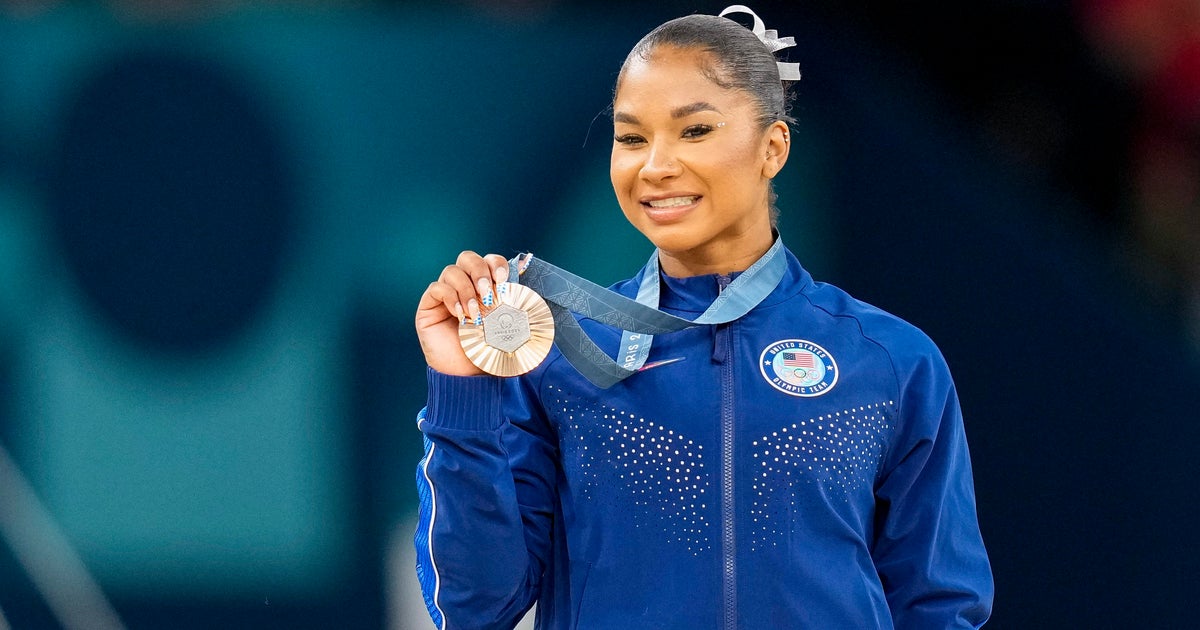

Jordan Chiles Gets New Hope: The Fight for Her Olympic Bronze Medal Continues
A Second Chance at Olympic Justice
In what’s being called a remarkable turn of events, American gymnast Jordan Chiles has been granted a lifeline in her battle to reclaim the bronze medal that was controversially taken from her following the 2024 Paris Olympics floor exercise competition. Switzerland’s supreme court announced on Thursday that it’s sending the case back to the Court of Arbitration for Sport (CAS), citing “highly exceptional circumstances” and the emergence of new evidence that could prove the United States team filed their score inquiry within the required timeframe. This decision represents a rare intervention by Switzerland’s federal judges in Olympic medal disputes and offers renewed hope to Chiles, who has endured months of uncertainty and disappointment since being stripped of her medal just days after what should have been one of the proudest moments of her athletic career.
The controversy centers around a matter of mere seconds – specifically, whether Team USA submitted their challenge to Chiles’ initial score within the one-minute deadline required by gymnastics rules. At the heart of this dispute is an audio-visual recording from the floor exercise final on August 5, 2024, which Chiles’ legal team believes conclusively demonstrates the inquiry was submitted on time. The Swiss Federal Tribunal acknowledged in its statement that this recording has a genuine likelihood of changing the outcome in Chiles’ favor, which is why they’re giving her case another hearing. While both CAS and Switzerland’s supreme court, both based in Lausanne (often called the Olympic Capital), haven’t provided a specific timeline for resolution, legal experts suggest the review process could take at least a year to fully prepare, process, and reach a final verdict.
The Iconic Podium Moment That Became Controversial
The original medal ceremony created one of the most celebrated images of the Paris Olympics – a powerful photograph featuring three exceptional athletes of color standing together on the podium: Brazil’s Rebeca Andrade claiming gold, America’s Simone Biles with silver, and Jordan Chiles holding bronze. This historic moment represented not just athletic excellence but also the increasing diversity and representation in elite gymnastics. However, the joy captured in that image was short-lived for Chiles. Within days of the ceremony, the Romanian gymnastics team filed an appeal with CAS’s Olympic court in Paris, arguing that the American team’s challenge to Chiles’ score had been submitted too late. The arbitration court sided with Romania, and the bronze medal was subsequently awarded to Romanian gymnast Ana Maria Barbosu in a ceremony held in Bucharest the following week.
For Chiles, the reversal felt like a gut punch. She publicly expressed her devastation, stating that the decision felt “unjust and comes as a significant blow, not just to me, but to everyone who has championed my journey.” The statement reflected not only her personal disappointment but also her awareness of what her achievement meant to the broader community of supporters who saw themselves represented in her success. The controversy sparked intense debate within the gymnastics community and beyond about the fairness of the arbitration process, the reliability of timekeeping in high-stakes competitions, and whether athletes receive adequate protection when disputes arise over technicalities rather than athletic performance itself.
Legal Team Celebrates a Major Victory
Maurice M. Suh, a key member of Chiles’ legal team, expressed satisfaction with the Swiss Federal Supreme Court’s decision, characterizing it as righting a wrong and giving Jordan the opportunity she deserves to reclaim what is rightfully hers. In his statement, Suh emphasized that the court recognized the existence of “conclusive” video evidence proving that Jordan was the legitimate winner of the bronze medal. This evidence, which apparently wasn’t adequately considered during the initial CAS proceeding, forms the foundation of Chiles’ renewed appeal. Suh made clear that Chiles intends to “fight vigorously” for her medal and expressed gratitude that she will now receive a “full and fair opportunity” to defend her third-place finish with all relevant evidence on the table.
USA Gymnastics also issued a strong statement supporting the court’s decision, praising the judges for recognizing the flaws in the initial arbitration process. The organization emphasized its commitment to supporting Jordan and her legal team in their efforts to retain the bronze medal, expressing confidence that a fair arbitration process that includes all the clear evidence will demonstrate the inquiry into Jordan’s score was filed well within the one-minute window required by International Gymnastics Federation (FIG) rules. The backing from USA Gymnastics represents institutional support that could prove crucial as the case moves forward, providing not just moral support but also resources and expertise to help navigate the complex international sports arbitration system.
Moving Forward Despite Adversity
At just 24 years old, Jordan Chiles has demonstrated remarkable resilience in the face of what would be a crushing setback for anyone. In the immediate aftermath of losing her medal, she faced significant online backlash, some of which carried disturbing racial undertones that added another layer of pain to an already difficult situation. Rather than retreating from public life, Chiles has chosen to press forward, building her life and career even as the legal battle over her medal continues. She returned to collegiate competition at UCLA, where she’s been able to continue developing her gymnastics skills in a supportive environment while pursuing her education.
Beyond the gym, Chiles has embraced opportunities that have come her way, leaning into her growing celebrity and influence. She competed on the popular reality show “Dancing With the Stars,” showcasing her athleticism and personality to a broader audience. She posed for the prestigious Sports Illustrated swimsuit issue, joining an elite group of athletes who have been featured in the publication. Most recently, she’s been prominently featured in a commercial campaign for a female athleisure apparel line, appearing alongside other groundbreaking athletes like tennis legend Serena Williams and track sensation Sha’Carri Richardson. These opportunities have allowed Chiles to maintain her public profile and build her personal brand while the medal dispute remains unresolved, demonstrating that her value and influence extend far beyond any single competition result.
What This Means for Olympic Justice
The Swiss Federal Supreme Court’s decision to send this case back for reconsideration represents more than just good news for Jordan Chiles – it potentially sets an important precedent for how Olympic medal disputes are handled when new evidence emerges or when questions arise about the fairness of initial proceedings. The court’s characterization of this case as involving “highly exceptional circumstances” suggests that the judges recognized something fundamentally problematic about how the original appeal was processed. By specifically citing the audio-visual recording as having a likelihood of changing the outcome, the court is essentially acknowledging that critical evidence may not have been properly considered when the medal was initially stripped from Chiles.
As this case moves forward to a new hearing before CAS, it will be closely watched not just by gymnastics fans but by anyone interested in fairness and due process in international sports. The outcome could influence how future disputes are handled, particularly regarding the standard of evidence required before reversing competition results and reassigning medals. For Jordan Chiles, the wait continues, but now with renewed hope that justice will ultimately prevail and that the iconic podium moment from Paris 2024 – featuring her alongside Simone Biles and Rebeca Andrade – will be restored to its rightful place in Olympic history. Regardless of how long the legal process takes, Chiles has already proven her strength, not just as an athlete but as a young woman who refuses to be defeated by circumstances beyond her control.