
Kanye West Takes the Stand: Inside the $1 Million Lawsuit Over His Gutted Malibu Mansion
A Former Employee’s Day in Court
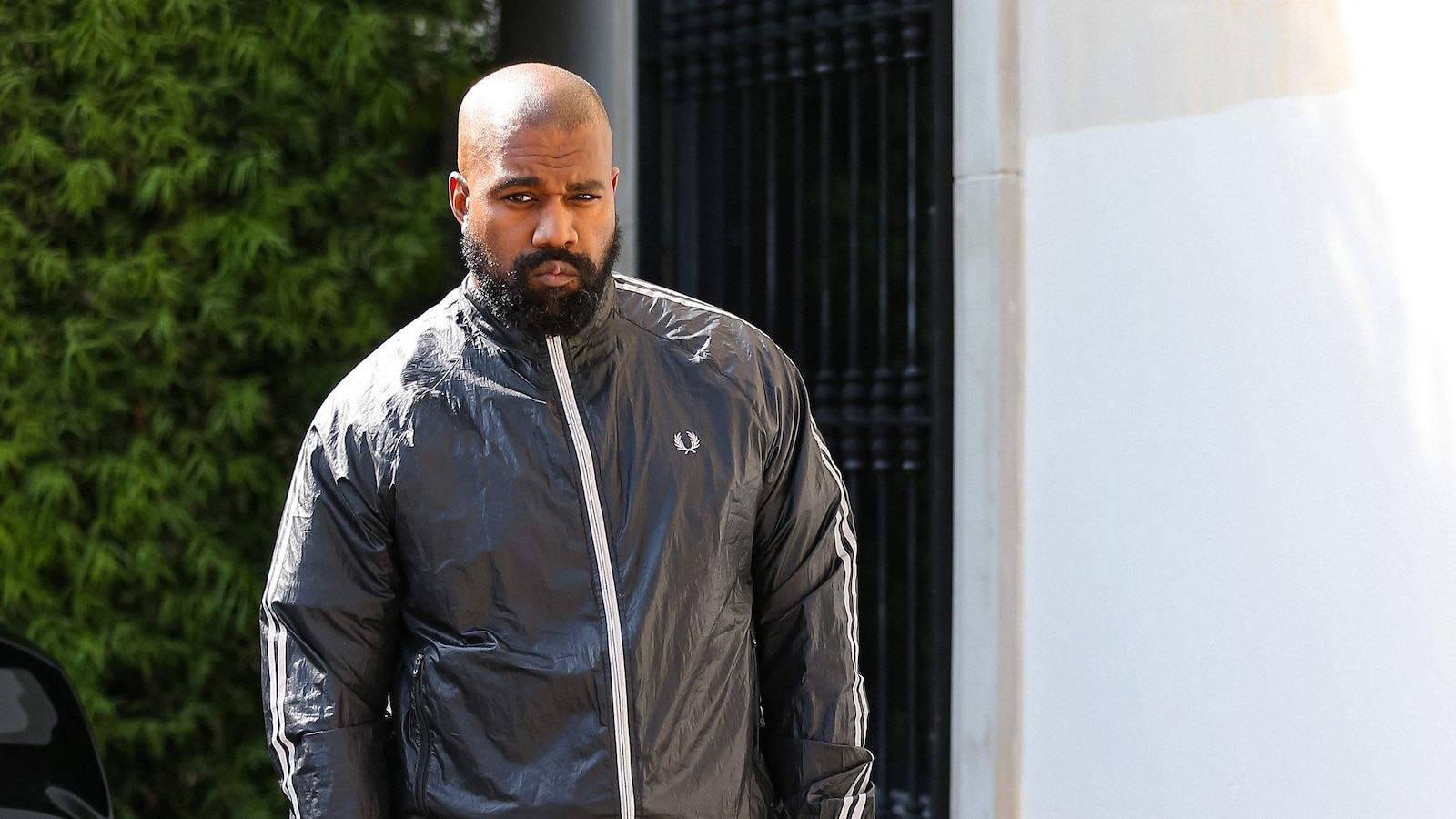
The world watched as rapper Ye, formerly known as Kanye West, appeared in a Los Angeles courtroom on Friday to testify in a lawsuit that has raised serious questions about labor practices and working conditions. Tony Saxon, a former worker who claims he was hired to oversee renovations on Ye’s controversial Malibu property, is seeking $1 million in damages for what he describes as wrongful termination, unpaid wages, and dangerous working conditions. Saxon alleges that he was brought on board in September 2021 as a project manager for the ambitious renovation, but his employment came to an abrupt end just two months later under circumstances he claims were unlawful. The case has drawn significant attention not only because of Ye’s celebrity status but also because of the shocking details about the conditions at the beachfront property, which was purchased for a staggering $57.3 million. As Ye took the witness stand, his testimony revealed a troubling disconnect between what Saxon experienced and what the rapper claims to remember about their working relationship.
The Allegations: Long Hours and Hazardous Conditions
According to the complaint filed by Saxon in September 2023, his role at the Malibu property was far more extensive than a typical project manager position. Saxon alleges that Ye hired him not just to oversee renovations but to serve as full-time security and a live-in caretaker for the expansive beachfront home. The lawsuit paints a picture of grueling work conditions, with Saxon claiming he was expected to work 16-hour days that included hands-on construction and demolition work, coordinating other workers, hiring contractors, and providing around-the-clock security for the property. Perhaps most disturbingly, Saxon alleges that despite these exhausting responsibilities, he was not paid everything he was owed for his work. The complaint also details hazardous working conditions that Saxon says he endured while living on-site. As a live-in caretaker, Saxon claims he had no proper sleeping quarters and was forced to find “makeshift conditions, finding empty spaces on the ground and using his coat as a makeshift bedding.” Even more concerning, he alleges that some of his sleeping arrangements placed him near open insulation, which can pose serious health risks when exposed over extended periods. These allegations suggest a work environment that fell far short of basic safety and labor standards.
Ye’s Testimony: A Vague Memory and Startling Revelations
When Ye finally took the stand on Friday, his testimony was marked by what appeared to be a significant lack of recollection about Saxon and the project itself. The rapper testified that he had no memory of actually meeting Saxon and only a vague memory of hiring him in the first place. This claim seemed to surprise many in the courtroom, given that Saxon alleges he worked directly with Ye on a multimillion-dollar renovation project. When questioned about Saxon’s allegations of living at the property, Ye expressed what seemed like genuine surprise, stating that he didn’t know Saxon was residing there. “There’s no shower, no toilet,” Ye testified. “I didn’t know it was possible for someone to live in a house like that with no toilet or shower.” This statement inadvertently confirmed the deplorable conditions of the property during renovations, even as it suggested Ye was unaware of Saxon’s living situation. Observers in the courtroom noted that Ye appeared disengaged during parts of the questioning, with reports suggesting he seemed to be falling asleep at times. When asked about Saxon’s compensation, Ye admitted he didn’t know how much he was supposed to pay the plaintiff. Saxon’s attorneys also presented a deposition video in which Ye was asked if he disputed that he would have fired Saxon, to which the rapper simply replied “no,” seemingly confirming that the termination did occur, even if the circumstances remain in dispute.
Bianca Censori’s Testimony Adds Another Layer
Before Ye took the stand, his wife, model Bianca Censori, testified on Thursday, providing additional context about the renovation project and what she knew about Saxon’s involvement. During questioning by Saxon’s attorney, Censori explained that she understood Saxon would be helping with significant demolition work, including removing windows, a chimney, and garage doors. She testified that she and Ye were looking for someone to assist with various aspects of the renovation, including demolition, cabinetry, and tiling work. The testimony took a particularly revealing turn when Saxon’s attorney showed Censori text message exchanges between her and Saxon. These messages appeared to show that Censori was aware Saxon was living on the property, particularly when he informed her that he could no longer stay there after they had “decimated the shower.” However, Censori claimed in court that she “didn’t know what was fully going on” and thought Saxon was “just venting” to her when he shared his concerns about the living conditions. She also testified that she didn’t know Saxon had been fired until he called to tell her, though she added that turnover wasn’t “unusual” given that there were “so many people” working at the home during that period. Her testimony suggested a chaotic work environment with multiple contractors and workers coming and going, which may explain some of the confusion about roles and responsibilities.
The Controversial Malibu Property and Its Fate
The property at the center of this lawsuit has its own fascinating and troubling history. Ye purchased the stunning Malibu beach house in 2021 for $57.3 million, shortly after his divorce from reality television star Kim Kardashian. The home was originally designed by Tadao Ando, a Pritzker Prize-winning Japanese architect known for his minimalist concrete structures and thoughtful integration of buildings with their natural surroundings. Ando’s designs are highly sought after and considered architectural masterpieces, making Ye’s subsequent treatment of the property all the more controversial. Rather than preserving or sensitively updating Ando’s design, Ye embarked on an aggressive gutting of the interior, removing elements that were integral to the architect’s vision. By the time Ye put the property back on the market in January 2024, the home had been stripped of its windows, electric systems, plumbing, and all interior finishes. What was once a carefully crafted architectural gem had been reduced to little more than a concrete shell. The dramatic transformation shocked the real estate and architecture communities, with many questioning why someone would pay such a premium for an Ando-designed home only to destroy its defining characteristics. Fortunately for architecture enthusiasts, developer Steven “Bo” Belmont purchased the property within days of it being listed and has publicly vowed to restore the home to Ando’s original design, potentially saving this significant work from permanent loss.
Broader Implications and What Comes Next
This lawsuit raises important questions that extend beyond the specifics of Saxon’s employment and touch on broader issues of labor practices, particularly in the often unregulated world of high-profile personal projects. When celebrities and wealthy individuals hire workers for private residences, those workers may not always receive the same protections and oversight that would exist on commercial projects or with established contractors. Saxon’s allegations, if proven true, would represent serious violations of labor laws, including those governing wages, working hours, and workplace safety. The case also highlights the sometimes chaotic nature of ambitious renovation projects undertaken without proper planning or management structures. The testimony from both Ye and Censori suggests a somewhat haphazard approach to the Malibu renovation, with multiple workers, unclear roles, and apparently little documentation or formal employment agreements. As the trial continues, the jury will need to weigh Saxon’s detailed allegations against Ye’s claims of limited memory and involvement. The outcome could have significant implications not just for the parties involved but for how personal projects by high-net-worth individuals are managed and regulated. Regardless of the verdict, the case has already shed light on conditions that workers in these situations may face and the importance of clear employment terms, proper compensation, and safe working environments for everyone, regardless of who their employer might be. The trial continues as both sides present their evidence and arguments to determine whether Saxon’s claims of wrongful termination and poor treatment will be validated by the court.