


Tragedy Strikes California Mountains: Search Continues for Missing Backcountry Skiers
Avalanche Hits Guided Ski Group in Sierra Nevada
A devastating avalanche in northern California’s Castle Peak area has left ten backcountry skiers missing and triggered an urgent search and rescue operation under what authorities are describing as extremely hazardous conditions. The incident occurred Tuesday around midday in the Sierra Nevada mountains, catching a group of sixteen skiers who were concluding what should have been a routine three-day guided backcountry adventure. The group consisted of four professional ski guides from Blackbird Mountain Guides and twelve clients who had been staying at the Frog Lake huts since Sunday. According to the Nevada County Sheriff’s Office, the avalanche struck as the party was making their way back to the trailhead, transforming what should have been the final leg of their mountain experience into a desperate fight for survival. The tragedy has shocked the skiing community and highlighted the very real dangers that backcountry enthusiasts face, even when accompanied by experienced guides and despite taking proper precautions.
Partial Rescue Achieved Despite Treacherous Conditions
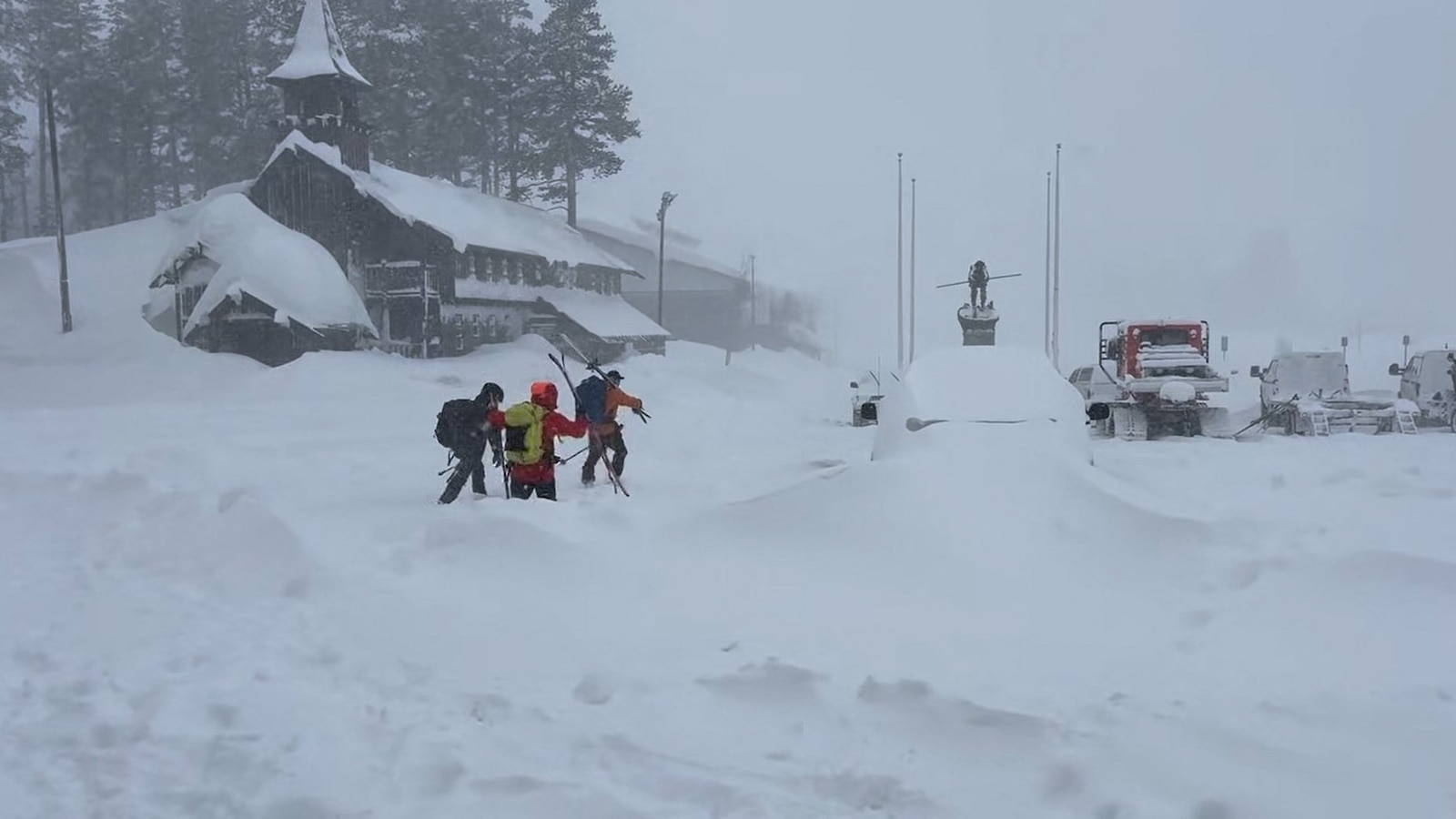
In what rescue teams are calling a small miracle given the challenging circumstances, six survivors were successfully extracted from the avalanche site Tuesday evening, though several hours passed before rescuers could safely reach them. The rescued skiers presented with varying degrees of injuries, and all were medically evaluated by Truckee Fire personnel once they reached safety. Two of the six survivors required hospitalization for treatment of more serious injuries, while the others received on-site medical attention. The rescue operation itself was fraught with danger, as teams had to navigate the same treacherous conditions that caused the original avalanche while racing against time and deteriorating weather. According to authorities, extreme weather conditions significantly slowed the rescue effort, with teams struggling through deep snow, high winds, and poor visibility to reach the victims and transport them to safety. The successful extraction of these six individuals represents countless hours of dangerous work by dedicated search and rescue professionals who put their own lives at risk to save others.
Dangerous Weather Creates Perfect Storm for Avalanche
The avalanche occurred amid what meteorologists and avalanche experts are describing as near-perfect conditions for such disasters. Brandon Schwartz, director of the Sierra Avalanche Center—the organization responsible for forecasting avalanche conditions around Lake Tahoe—explained that the area had received between two and three feet of fresh snow in just the previous thirty-six hours, with snow continuing to fall at an alarming rate of two to four inches per hour even as rescue operations were underway. These rapidly accumulating snowfalls, combined with weak layers in the existing snowpack and gale-force winds capable of blowing and drifting snow into unstable configurations, created what the Sierra Avalanche Center rated as “high” avalanche danger across the backcountry. The center warned that natural avalanches were likely to occur without any human trigger, and that human-triggered avalanches large enough to bury or seriously injure people were “very likely.” This dangerous combination of factors meant that not only were skiers at extreme risk, but rescue teams attempting to reach victims were also putting themselves in harm’s way, facing the very real possibility of triggering secondary avalanches.
Regional Emergency and Ongoing Threats
The avalanche incident is occurring within the context of a major winter storm affecting the entire region, with impacts extending far beyond the immediate tragedy. The Sierra Avalanche Center issued an avalanche warning covering a broad swath of the Central Sierra Nevada Mountains, stretching from Yuba Pass in the north to Ebbetts Pass in the south, encompassing the greater Lake Tahoe area—one of the most popular recreational destinations in California. This warning, which extended through Wednesday morning and potentially beyond, advised people to completely avoid travel in, near, or below backcountry avalanche terrain, with large avalanches expected throughout Tuesday, Tuesday night, and into at least early Wednesday morning. The severe weather has also created hazardous conditions on roadways, with whiteout conditions reported throughout the region. Interstate 80 over Donner Summit was forced to close in both directions due to these whiteout conditions and dangerously poor visibility. The California Highway Patrol’s Truckee office specifically warned that high winds were creating complete whiteout conditions across the Donner Summit area, making travel not just difficult but potentially deadly.
The Challenge Ahead: Locating the Missing
As Tuesday night fell on the Castle Peak area, authorities shifted their immediate priorities from rescue to stabilization and planning. Officials stated that their first concern was ensuring the six survivors received proper medical care and were stabilized after their traumatic ordeal. Once this critical task was completed, the focus would shift to the heartbreaking work of locating the ten people who remain missing. However, this search faces enormous challenges that extend beyond the obvious difficulties of finding people buried under snow. The continuing storm, the persistent avalanche danger, and the approaching darkness all conspire to make search operations extremely dangerous for the rescue teams themselves. Authorities must balance the urgent need to find the missing skiers—knowing that survival time in avalanche debris is extremely limited—against the very real risk of losing more lives by sending teams into areas where conditions remain highly unstable. The families of the missing face an agonizing wait, knowing that every hour that passes reduces the likelihood of finding their loved ones alive, yet understanding that rescue teams cannot be recklessly endangered in conditions that might claim even more victims.
Lessons and Reflections on Backcountry Safety
This tragedy serves as a stark reminder that backcountry skiing, despite its growing popularity and the thrill it offers, remains an inherently dangerous activity where nature always has the final word. The fact that this group was accompanied by professional guides from a reputable organization, was properly equipped, and was apparently following appropriate protocols demonstrates that even experience and preparation cannot eliminate all risks in the mountain environment. Backcountry enthusiasts accept certain levels of risk as part of the experience, but incidents like this force a reckoning with just how quickly conditions can deteriorate and how devastating the consequences can be. The ski community will undoubtedly examine this incident closely in the coming weeks and months, looking for lessons that might prevent future tragedies. As search and rescue operations continue and the storm eventually passes, the Castle Peak avalanche will stand as a sobering reminder of the awesome power of nature and the courage of those who venture into the backcountry as well as those who risk their lives to rescue others when disaster strikes in these remote and beautiful but unforgiving landscapes.